
Should you let your dog lick their wounds? The answer is clear: No, you shouldn't allow excessive wound licking. While it's true that dog saliva has some antibacterial properties, the risks far outweigh any potential benefits. We've all seen our pups go to town on a scratch or surgical site, but here's why you need to stop them: excessive licking can introduce more bacteria, delay healing, and even reopen wounds.I've worked with hundreds of dog owners who made the same mistake - thinking their dog's licking was helping the healing process. The truth? That constant tongue action is like rubbing dirt in a cut. In this guide, I'll show you exactly why dogs lick wounds, how to stop it effectively, and what signs indicate infection. You'll discover seven practical alternatives to the dreaded cone of shame that actually work.
E.g. :How Long Do Fish Live? The Surprising Truth About Fish Lifespans
- 1、Why Do Dogs Lick Their Wounds? Let's Break It Down
- 2、The Dangers of Excessive Licking: More Than Just Annoying
- 3、Creative Solutions to Stop the Licking
- 4、Spotting Trouble: When Licking Leads to Infection
- 5、Prevention Is Better Than Cure
- 6、The Bottom Line on Wound Care
- 7、The Science Behind Canine Wound Licking
- 8、Psychological Aspects of Wound Licking
- 9、Alternative Healing Methods
- 10、Understanding Your Dog's Pain Signals
- 11、FAQs
Why Do Dogs Lick Their Wounds? Let's Break It Down
The Pain Relief Theory
Ever bumped your knee and instinctively rubbed it? That's exactly what your dog does when they lick wounds - except they don't have hands! Licking overstimulates their brain, creating a temporary numbing effect. It's nature's way of helping them cope with discomfort.
But here's the catch - while occasional licking might help, most dogs take this self-soothing behavior way too far. Before you know it, what started as natural instinct turns into a harmful habit. Think of it like eating ice cream - a little is fine, but eating the whole tub? Not so great!
The Cleaning Myth
You might have heard that dog saliva has healing properties. Well, that's partially true. Research shows their saliva can fight two specific bacteria: E. coli and Streptococcus canis. But here's the problem - wounds attract dozens of bacteria types!
Check out this comparison:
| Bacteria Type | Effect of Dog Saliva |
|---|---|
| E. coli | Some reduction |
| Streptococcus canis | Some reduction |
| Other common wound bacteria | No effect or may increase |
So while Fido thinks he's helping, he's actually making things worse in most cases. That's why we need to step in and help our furry friends heal properly.
The Dangers of Excessive Licking: More Than Just Annoying
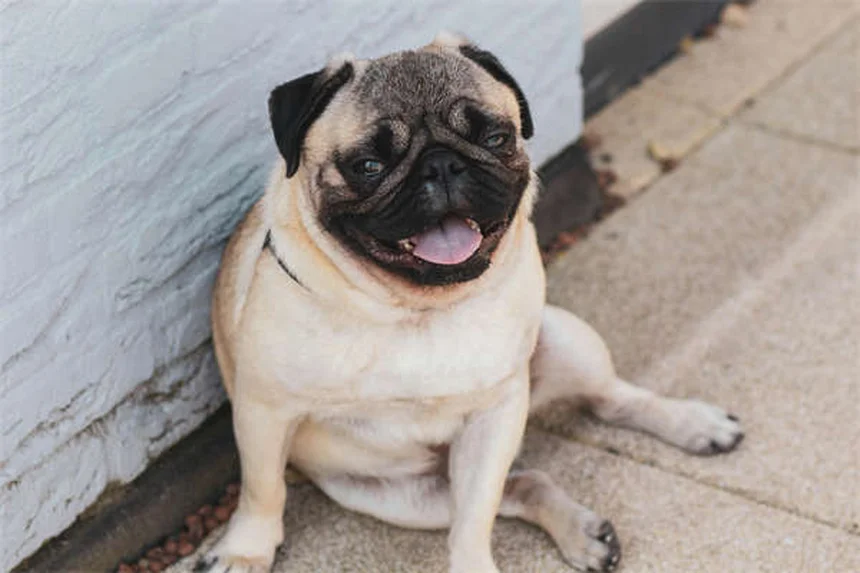 Photos provided by pixabay
From Bad to Worse: Infection Risks
Did you know your dog's mouth contains about 600 different types of bacteria? Now imagine all those germs getting into an open wound! What starts as a small cut can quickly turn into a serious infection.
Here's what happens when licking goes wrong:- Bacteria party in the wound- Healing slows way down- The wound might actually get bigger- Stitches can come undone- You end up with bigger vet bills
The Itch That Won't Quit
Ever had a mosquito bite you couldn't stop scratching? That's how your dog feels about wounds. The more they lick, the more it itches, creating a vicious cycle. Before you know it, they've turned a minor scrape into a major problem.
Here's a fun fact: Dogs can lick at up to 6 licks per second! That's like getting 360 tiny sandpaper rubs on your wound every minute. Ouch!
Creative Solutions to Stop the Licking
Beyond the Cone of Shame
We all know about the classic plastic cone, but did you know there are actually seven different options to stop wound licking? Let's explore some alternatives that might work better for your pup.
First, ask yourself: Why does my dog hate the cone so much? It's simple - it's uncomfortable, makes eating and drinking harder, and basically turns them into a furry satellite dish. But we've got better options now!
 Photos provided by pixabay
From Bad to Worse: Infection Risks
1. Soft Cones: Like a pillow for your dog's neck. Comes in fun colors too!2. Inflatable Collars: Think of it as a travel neck pillow for dogs. Much more comfy!3. Recovery Suits: Basically pajamas that protect wounds. Your dog will look adorable!4. Dog Booties: Perfect for paw injuries. Bonus - they get to wear shoes!
Here's a pro tip: If your dog is a Houdini who escapes everything, try combining methods. A soft cone with a recovery suit often does the trick!
Spotting Trouble: When Licking Leads to Infection
The Red Flags Every Owner Should Know
How can you tell if your dog's wound has gone from "no big deal" to "vet emergency"? Watch for these warning signs:
- The area looks angrier than a toddler who missed nap time- There's goop that shouldn't be there (yellow, green, or smelly)- The wound seems to be getting bigger instead of smaller- Your dog is more interested in the wound than their favorite toy
When to Call the Vet
If you notice any infection signs, don't wait! Early treatment saves money and prevents complications. Remember, dogs hide pain well, so by the time they're showing discomfort, the problem is usually serious.
Here's a good rule of thumb: If you'd go to the doctor for a similar wound on yourself, your dog should see the vet. Better safe than sorry!
Prevention Is Better Than Cure
 Photos provided by pixabay
From Bad to Worse: Infection Risks
Did you know you can actually train your dog to leave wounds alone? Start with short sessions using positive reinforcement. When they ignore the wound, reward them with treats and praise.
Try this simple routine:1. Notice your dog going for the lick2. Say "Leave it" in a calm voice3. Immediately redirect with a toy or treat4. Praise like they just won the doggy Olympics
Environmental Management
Sometimes the simplest solutions work best. If your dog keeps licking when you're not looking, try these tricks:
- Keep them busy with puzzle toys- Use bitter apple spray around (not on) the wound- Cover the wound with a clean sock or bandage (vet-approved first!)- Give extra cuddle time - often licking is just boredom or anxiety
The Bottom Line on Wound Care
Working With Your Vet
Every dog and every wound is different. What works for your neighbor's Labrador might not work for your Chihuahua. That's why developing a good relationship with your vet is so important.
Ask your vet these questions at your next visit:1. What's the best prevention method for my dog's personality?2. How often should I check the wound?3. What signs mean I should call immediately?4. Are there any special care instructions for my dog's breed?
Creating a Healing Environment
Healing takes time and the right conditions. Make sure your dog has:
- A clean, quiet place to rest- Plenty of fresh water- Good nutrition (ask your vet about healing diets)- Limited strenuous activity- Lots of love and attention (the best medicine of all!)
Remember, you're your dog's best advocate when it comes to health care. With patience and the right approach, you can help them heal quickly and comfortably - without all that excessive licking!
The Science Behind Canine Wound Licking
Evolutionary Roots of the Behavior
You ever wonder why this behavior stuck around through millions of years of evolution? Turns out, wild canines developed wound licking as a survival mechanism when veterinary care wasn't exactly available at the local pet store. Mother dogs instinctively lick their puppies to clean them and stimulate circulation - and this maternal behavior got generalized to self-care.
Here's something fascinating - wolves in the wild actually lick each other's wounds as a social bonding activity. So when your dog tries to "help" by licking your paper cut, they're basically treating you like pack family! Though I'd still recommend Neosporin over puppy saliva for your own wounds.
The Biochemical Components
Dog saliva contains some interesting stuff - and no, I'm not just talking about yesterday's kibble! Scientists have identified several compounds that actually do have beneficial properties:
| Component | Potential Benefit | Reality Check |
|---|---|---|
| Lysozyme | Mild antibacterial | Not strong enough for serious wounds |
| Opiorphin | Pain relief | Short duration only |
| Growth factors | May help tissue repair | Effectiveness debated |
Now here's a question that might surprise you: If dog saliva has these helpful components, why don't we bottle it as medicine? The simple answer is concentration - these substances exist in such tiny amounts that their benefits get completely outweighed by the bacteria and mechanical damage from all that licking.
Psychological Aspects of Wound Licking
The Comfort Factor
Let's face it - dogs don't have thumbs to rub their boo-boos. Licking becomes their version of applying a comforting touch to sore spots. The rhythmic motion releases endorphins, those feel-good chemicals that temporarily mask pain. It's not unlike how we might rub a sore muscle or hold an ice pack to a bruise.
But here's where things get tricky. What starts as comfort-seeking can quickly turn into an obsessive behavior. I've seen dogs develop full-blown anxiety if prevented from licking, similar to how some people bite their nails when stressed. That's why we need to address both the physical wound and the psychological component.
Boredom and Stress Triggers
Ever notice how dogs left alone tend to lick more? That's no coincidence! Inactivity gives them way too much time to focus on minor discomforts. A bored dog will find something to do - and if that something involves turning a small scrape into a major wound, we've got problems.
Here's a pro tip: Mental stimulation works wonders for preventing obsessive licking. Try food puzzles, new toys, or short training sessions to keep their mind occupied. A tired dog (mentally and physically) is way less likely to over-groom.
Alternative Healing Methods
Natural Remedies That Actually Work
While we're on the topic of licking alternatives, let's talk about some vet-approved natural options. Aloe vera (the pet-safe kind) can soothe irritated skin without being toxic if licked. Coconut oil has mild antibacterial properties and makes a great distraction - most dogs will lick this instead of their wound!
But wait - before you raid your pantry, remember this golden rule: Always check with your vet first. What's safe for humans can be dangerous for dogs. For example, tea tree oil gets recommended a lot online, but it's actually toxic to dogs even in small amounts.
The Power of Distraction
Here's something I've learned from years of working with dogs: Sometimes the best medicine is a good distraction. When you notice your dog going for the lick, try these redirection techniques:
- Offer a favorite chew toy (frozen Kongs work great)- Initiate a gentle play session- Practice simple commands for treats- Give a massage in non-wounded areas
Why does this work so well? Because it addresses the root cause - your dog needs something to do with that anxious energy. Think of it like when you're craving junk food - sometimes you're not actually hungry, just bored!
Understanding Your Dog's Pain Signals
Subtle Signs You Might Miss
Dogs are masters at hiding discomfort - a leftover survival instinct from their wild ancestors. But if you know what to look for, you can spot pain before it leads to excessive licking. Watch for these subtle cues:
- Sleeping more than usual- Reluctance to jump or climb stairs- Decreased appetite- Uncharacteristic grumpiness- Excessive panting when not hot
Here's a question that might change how you care for your dog: How often do you do a full-body check on your pet? I recommend weekly "pet exams" where you gently feel for lumps, check ears, and inspect paws. Catching small issues early prevents big problems later!
Breed-Specific Considerations
Not all dogs lick equally! Some breeds are way more prone to obsessive grooming behaviors. Retrievers tend to lick as a comforting behavior, while herding breeds might develop lick granulomas from stress. Short-nosed breeds often lick their noses excessively due to breathing issues.
Here's a quick breed guide:
| Breed Type | Licking Tendency | Common Triggers |
|---|---|---|
| Retrievers | High | Comfort-seeking |
| Herding Dogs | Moderate-High | Stress/anxiety |
| Toy Breeds | Moderate | Attention-seeking |
Knowing your dog's natural tendencies helps you anticipate and prevent problems before they start. A little breed research goes a long way in keeping your pup happy and healthy!
E.g. :Why Dogs Lick Their Wounds and How to Stop Them | PetMD
FAQs
Q: Why do dogs lick their wounds so much?
A: Dogs lick wounds for two main reasons we've observed. First, it's their version of rubbing a sore spot - the licking action actually releases endorphins that temporarily relieve pain. Second, while their saliva does contain some bacteria-fighting properties (effective against E. coli and Streptococcus), this benefit is minimal compared to the risks. The bigger problem? Most dogs don't know when to stop. What begins as natural instinct quickly turns into compulsive behavior that can cause serious harm. We recommend intervening as soon as you notice excessive licking to prevent complications.
Q: What's the best way to stop my dog from licking without using a cone?
A: After helping countless pet owners, we've found these seven alternatives work best: 1) Soft fabric cones that are more comfortable, 2) Inflatable donut collars (great for short-nosed breeds), 3) Recovery suits that cover the whole body, 4) Baby onesies for torso wounds, 5) Breathable bandages (vet-approved), 6) Bitter apple spray around (not on) the wound, and 7) Distraction techniques with puzzle toys. The right solution depends on your dog's personality and the wound location. For example, we've had great success using recovery suits for dogs who panic in cones.
Q: How can I tell if my dog's wound is infected from licking?
A: Watch for these five red flags we always tell our clients about: 1) Increasing redness spreading from the wound edges, 2) Swelling that doesn't improve after 48 hours, 3) Yellow/green discharge or foul odor, 4) The wound feels hot to the touch, and 5) Your dog seems more lethargic or loses appetite. If you notice any of these signs, it's time to visit your vet. We've seen cases where early intervention prevented serious complications, so don't wait - infected wounds can escalate quickly in dogs.
Q: Are there any home remedies to help my dog's wound heal faster?
A: While proper veterinary care is essential, we recommend these vet-approved supportive measures: 1) Keep the area clean with saline solution (1 tsp salt to 2 cups boiled then cooled water), 2) Apply a thin layer of plain petroleum jelly around (not in) the wound to create a moisture barrier, 3) Boost their diet with protein-rich foods to support healing, and 4) Use cold compresses for swelling (10 minutes on, 20 minutes off). However, we must stress - never use human medications like Neosporin without consulting your vet first, as some ingredients are toxic to dogs.
Q: How long should I prevent my dog from licking a surgical incision?
A: Based on our experience with post-op care, you'll typically need to prevent licking for 10-14 days - the critical window when stitches are most vulnerable. Even after stitches are removed, some dogs continue irritating the area, so we suggest monitoring for at least a week longer. The exact timeline depends on the procedure and your dog's healing rate, which your vet will assess during follow-up visits. We've found that dogs who wear protective gear the full recommended time have significantly fewer complications than those who get "early release" from their cones or suits.