
How to travel safely with your pet? The answer is simple: with proper preparation and the right safety measures, you and your furry friend can enjoy stress-free adventures together! As someone who's traveled cross-country with my dog Max more times than I can count, I can tell you that the key to successful pet travel lies in planning ahead.Whether you're taking a quick road trip or flying across the country, these pet travel essentials will keep your companion safe and comfortable. From ID tags to first aid kits, we'll cover everything you need to know to make your next journey with your pet as smooth as possible. Trust me, taking these precautions will give you peace of mind and make the experience enjoyable for both of you!
E.g. :10 Must-Ask Vet Questions for Your Pet's Health Checkup
- 1、Getting Ready for Pet Travel Adventures
- 2、Training Your Pet for Travel Success
- 3、Safety First: Protecting Your Pet on the Road
- 4、Handling Travel Anxiety Like a Pro
- 5、Food, Water, and Vigilance on the Road
- 6、Beyond the Basics: Advanced Pet Travel Tips
- 7、Making Hotel Stays Stress-Free
- 8、Seasonal Travel Considerations
- 9、Building Positive Travel Associations
- 10、The Joy of Pet-Friendly Adventures
- 11、FAQs
Getting Ready for Pet Travel Adventures
Why Proper ID Matters More Than You Think
Let me ask you something - what's the first thing you'd do if your furry friend went missing during a trip? That's right, you'd check their ID tags! Proper identification isn't just important - it's absolutely crucial when traveling with pets. I always make sure my dog Max has his tags securely fastened before we hit the road.
Here's a pro tip from my personal experience: get tags with your cell phone number rather than your home number. When we're traveling cross-country, my cell is the only way anyone can reach me. Last summer, Max got spooked by fireworks at a rest stop (who knew truckers loved fireworks so much?), but thanks to his up-to-date tags, a kind family called me within minutes.
The Permanent ID Solution You Can't Ignore
Tags are great, but what if they fall off? That's where microchipping comes in. My vet explained it like this: "It's like giving your pet a social security number." The procedure takes seconds, and most shelters and vets have scanners to read them.
Check out this comparison of ID methods:
| Method | Cost | Effectiveness | Lifespan |
|---|---|---|---|
| ID Tags | $10-$20 | Good | Until lost |
| Microchip | $45-$75 | Excellent | Lifetime |
| Tattoo | $30-$50 | Good | Lifetime |
Training Your Pet for Travel Success
 Photos provided by pixabay
Start Young for Best Results
Remember when we were kids and everything was scary at first? Pets are the same way! The younger you start travel training, the better they'll adapt. I began taking Max on short car rides when he was just 12 weeks old - first to the end of the driveway, then around the block, gradually increasing distance.
Here's what worked for us: 1. Start with 5-minute rides2. Always end with something fun (like the dog park)3. Bring their favorite toy4. Use calming words and treats
Why Separate Training Matters for Multiple Pets
If you've got more than one furry travel buddy, here's something I learned the hard way - train them separately first. When I tried taking both my dogs together initially, they just hyped each other up. Now we do individual sessions until each is comfortable, then combine them for short trips.
Safety First: Protecting Your Pet on the Road
The Truth About Free-Roaming Pets in Cars
Would you let your toddler wander around a moving vehicle? Of course not! Yet so many people think it's fine for pets. Last year, a friend's cat jumped onto the dashboard during sudden braking - not a fun experience for anyone involved.
Here's the reality: even well-trained pets can panic. That's why crates or harnesses are non-negotiable in my book. We use a crash-tested harness that connects to the seatbelt system - Max can still see out the window, but he's secure if we need to stop suddenly.
 Photos provided by pixabay
Start Young for Best Results
Not all crates are created equal! For air travel, you'll need an airline-approved hard-sided crate. For road trips, we prefer a soft-sided crate with mesh windows for ventilation. The key features to look for:
- Proper size (your pet should be able to stand and turn around)- Good ventilation- Secure fastenings- Easy to clean material- Comfortable padding
Handling Travel Anxiety Like a Pro
When Sedation Might Be the Right Call
I used to think sedating pets for travel was overkill - until I adopted a senior dog with severe car anxiety. After consulting our vet, we found a mild sedative that takes the edge off without knocking her out completely. It's made all the difference for her comfort.
Important note: never use human medications or give sedatives without veterinary guidance. What works for one pet might be dangerous for another.
Your Essential Pet First Aid Kit
You pack a first aid kit for yourself, right? Your pet deserves the same protection! Our travel kit includes:
- Gauze and self-adhesive bandages- Hydrogen peroxide (for inducing vomiting - vet instruction only!)- Digital thermometer- Tweezers for ticks- Emergency vet contacts along our route- Copies of vaccination records
Food, Water, and Vigilance on the Road
 Photos provided by pixabay
Start Young for Best Results
Remember that time we got stuck in traffic for six hours? Now imagine that with a hungry, thirsty dog. I always pack at least three days' extra food and two gallons of water per pet. Pro tip: freeze some water bottles - they'll keep your cooler cold and melt into drinking water when needed.
Staying Alert to Your Pet's Needs
Pets can't tell us when they're uncomfortable, so we need to be extra observant. Watch for:- Excessive panting (could mean overheating)- Whining or restlessness (might need a potty break)- Drooling (could signal nausea)- Hiding behavior (indicates stress)
The bottom line? With proper preparation and attention, traveling with pets can be incredibly rewarding. Some of my favorite memories are from road trips with Max - seeing his excitement at new places reminds me to appreciate the journey as much as the destination.
Beyond the Basics: Advanced Pet Travel Tips
The Hidden Benefits of Traveling With Pets
You know what's better than seeing the Grand Canyon? Seeing it through your dog's eyes! Traveling with pets forces you to slow down and appreciate simple joys - like how Max gets excited about every single fire hydrant from here to California. It's not just about getting somewhere, it's about the shared experience.
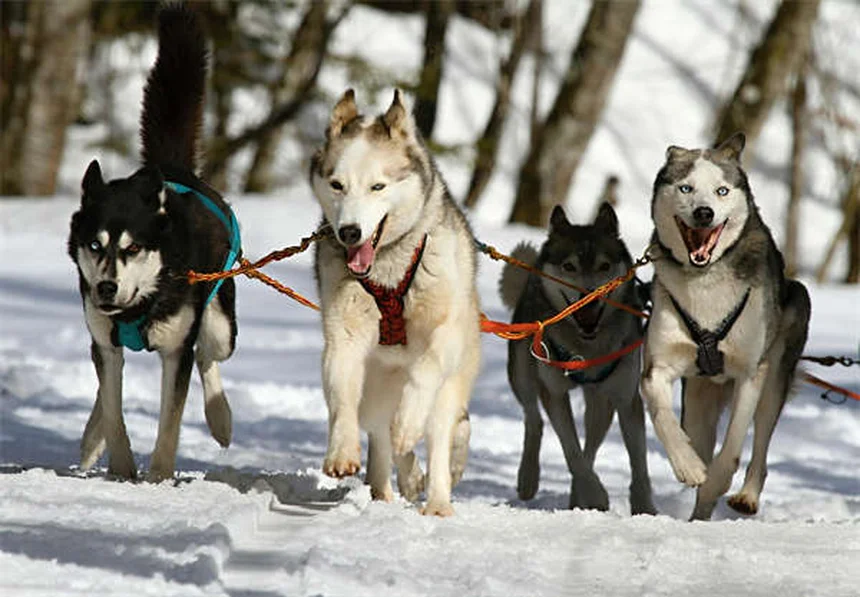
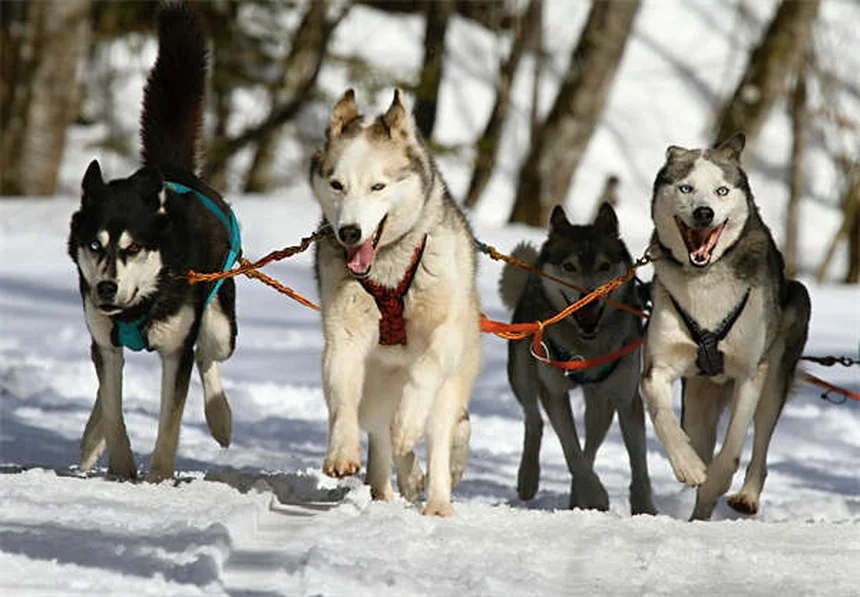
Here's something most people don't consider - pets can be incredible icebreakers. When we're at rest stops, Max has helped me meet more interesting people than I ever did traveling alone. Last month in Colorado, he befriended a retired sled dog who's owner gave us amazing local hiking tips we'd never find in guidebooks.
Tech Gadgets That Make Travel Easier
Let's talk about some game-changing tech for pet travel. My current favorite is the GPS collar tracker - it gives me peace of mind knowing I can locate Max within feet if we get separated. The battery lasts two weeks, and it even tracks his activity levels to make sure he's getting enough exercise on the road.
Other must-haves in our tech arsenal:- Portable water purifier (great for hiking trips)- Collapsible silicone bowls that clip to my backpack- A pet camera for when I need to leave him briefly in the hotel- A white noise app to help drown out strange hotel sounds
Making Hotel Stays Stress-Free
Creating a Home Away From Home
Ever notice how pets seem to know when they're in a strange place? That's why I always bring Max's familiar bedding and a few favorite toys. The scent of home helps him settle in faster. Pro tip: I pack an old t-shirt I've worn so my scent is with him too - works like a charm!
Here's our hotel routine that keeps everyone happy:1. Immediately set up his "spot" with familiar items2. Take him for a long walk to burn energy3. Do a quick safety check for hazards (loose cords, toxic plants)4. Put the "Do Not Disturb" sign out when leaving5. Always tip housekeeping extra for pet stays
Dealing With Unexpected Challenges
Let me tell you about the time Max found the mini-bar... at 3 AM. Why do hotels put dog-level snacks in reach? Now I do a full pet-proofing sweep as soon as we check in. Look out for:- Trash cans without lids- Chocolate on pillows (yes, really!)- Cleaning supplies left in reach- Balconies with wide railings
Most hotels are pet-friendly these days, but always call ahead about any weight limits or breed restrictions. I learned this the hard way when we showed up with our 85-pound lab mix to find a 25-pound limit!
Seasonal Travel Considerations
Summer Travel Must-Knows
Pavement gets dangerously hot faster than you'd think. The "five-second test" saved Max's paws last summer - if you can't hold your hand on the pavement for five seconds, it's too hot for paws. We always hike early mornings in summer and carry a collapsible shade tent for rest stops.
Other warm weather essentials:- Cooling vest (soak it in water for evaporative cooling)- Paw protection wax- Extra water (twice what you think you'll need)- Knowledge of heat stroke symptoms
Winter Travel Precautions
Snow might look fun, but it hides dangers like antifreeze puddles and salt that can burn paws. We use doggie boots now after Max got painful salt crystals between his toes. In cold weather, I keep car travel blankets and an emergency heat source (like chemical hand warmers) in the car just in case.
Fun fact: dogs can get frostbite too, especially on ears and tails. Short-haired breeds might need a coat even for quick potty breaks when temperatures drop below freezing.
Building Positive Travel Associations
The Power of Routine and Rewards
Every time we're about to hit the road, Max gets super excited. Why? Because I turned travel into a positive experience with consistent routines and rewards. We always:- Use the same command ("Road trip!")- Give a special travel-only treat when he enters the car- Play his favorite music (turns out he's a classic rock fan)- Stop at fun places where he can run around
It took about 10 consistent trips to build this association, but now he practically drags me to the car when he sees the suitcase come out!
When to Call It Quits
As much as we love traveling with our pets, sometimes it's kinder to leave them home. I had to make this tough call last year when planning a complicated international trip with multiple flights. The stress wouldn't have been fair to Max, so we found an amazing pet sitter instead.
Signs your pet might be better off staying home:- Advanced age or health issues- Extreme anxiety that doesn't improve with training- Destination with quarantine requirements- Trip involves more transit than actual stay- Your pet simply seems happier at home
The Joy of Pet-Friendly Adventures
Discovering Hidden Gems Together
Some of our best discoveries happened because we were looking for pet-friendly spots! From the amazing dog beach in Oregon to the brewery in Austin with a special dog menu, traveling with Max has led us to places we'd never find otherwise. Many national parks have pet-friendly trails if you know where to look.
Our favorite resources for finding pet-friendly activities:- BringFido app (user reviews are gold)- Local subreddits for insider tips- Talking to other pet owners at dog parks- Checking with visitor centers about lesser-known trails
Documenting Your Adventures
I started an Instagram for Max's travels as a joke, but it's become this amazing travel diary. Looking back at photos from our cross-country trip last year, I can see how much he's grown and changed. Plus, it's fun to see which places made him happiest (apparently he's a desert dog at heart).
Tips for great travel photos:- Get down to their eye level- Capture their reactions to new places- Include local landmarks in the background- Don't forget to be in some photos too!- Natural light is always more flattering
E.g. :Travel Safety Tips | ASPCA
FAQs
Q: What's the most important thing to do before traveling with my pet?
A: Proper identification is absolutely crucial when traveling with pets. You'll want to make sure your pet has up-to-date ID tags with your current contact information - I always recommend using your cell phone number rather than a home number when traveling. But tags can fall off, which is why we also microchip our pets. It's a quick procedure that gives them permanent identification. Last summer, my dog Max got spooked by fireworks at a rest stop, but thanks to his tags and microchip, we were reunited within minutes. Don't forget to register any microchip or tattoo with the appropriate database!
Q: How can I prepare my pet for car travel?
A: Start young and go slow is my motto for car training. Begin with short 5-minute rides to fun places like the dog park, gradually increasing the duration. Always bring their favorite toy and use treats to create positive associations. If you have multiple pets, train them separately at first - I learned this the hard way when my two dogs just hyped each other up during our first joint car ride. For older pets new to travel, consult your vet about possible anxiety solutions. The key is making the car a familiar, comfortable space before attempting longer trips.
Q: Is it safe to let my pet roam free in the car?
A: Absolutely not! Free-roaming pets in moving vehicles are dangerous for everyone. Even well-trained pets can panic during sudden stops or loud noises. We use a crash-tested harness that connects to the seatbelt system - Max can still see out the window but is secure if we brake suddenly. For smaller pets or cats, a properly sized crate is the safest option. Remember, it's not just about your pet's behavior - it's about protecting them from potential accidents that are out of your control.
Q: What should I include in a pet travel first aid kit?
A: Your pet first aid kit should include: gauze and self-adhesive bandages, hydrogen peroxide (for inducing vomiting - vet instruction only!), digital thermometer, tweezers for ticks, and copies of vaccination records. I also recommend researching emergency vet clinics along your route before you leave. Our kit has saved us multiple times - from removing ticks after hikes to dealing with minor cuts from exploring new environments. Don't forget any regular medications your pet takes, and pack extra in case of travel delays.
Q: How much extra food and water should I bring for my pet?
A: As a general rule, pack at least three days' extra food and two gallons of water per pet. Travel often comes with unexpected delays - we once got stuck in traffic for six hours! Here's a pro tip: freeze some water bottles before your trip. They'll keep your cooler cold and melt into drinking water when needed. Stick to your pet's regular food to avoid stomach upset, and bring it in an airtight container. I also pack collapsible bowls for easy feeding on the go. Remember, staying hydrated is just as important for pets as it is for people during travel!