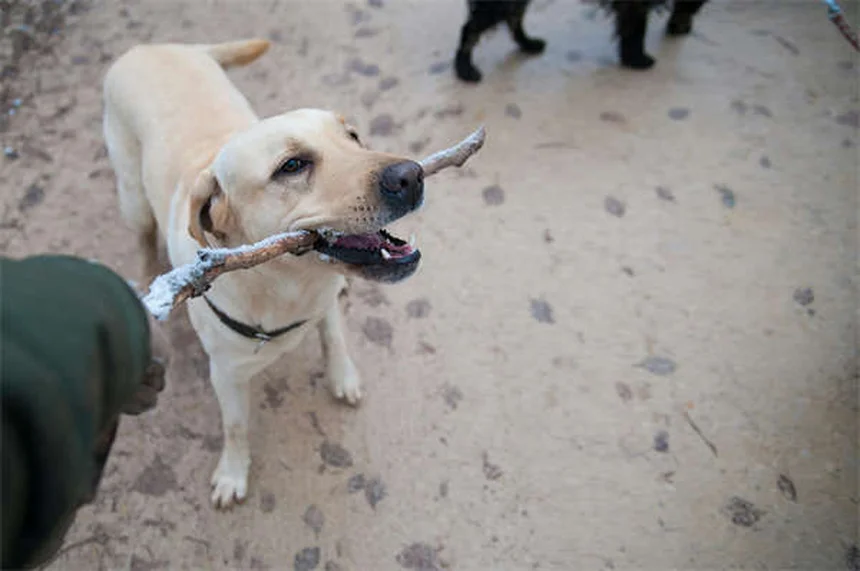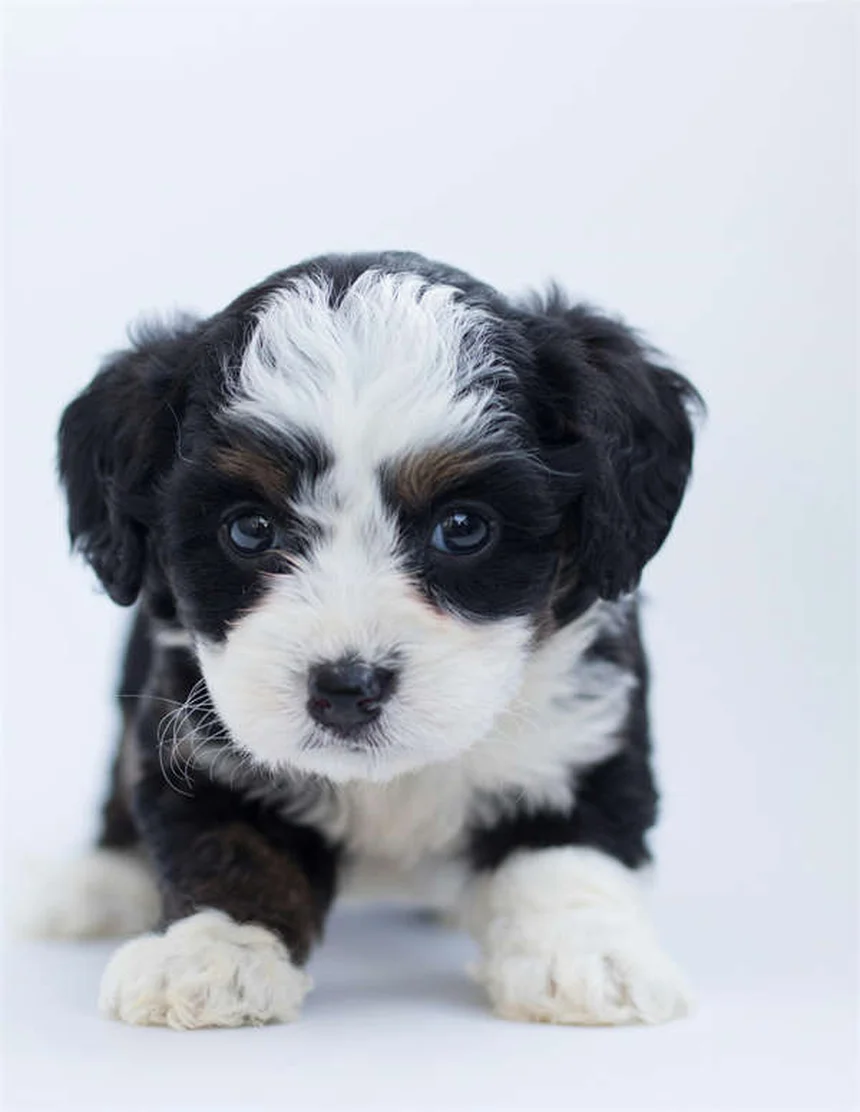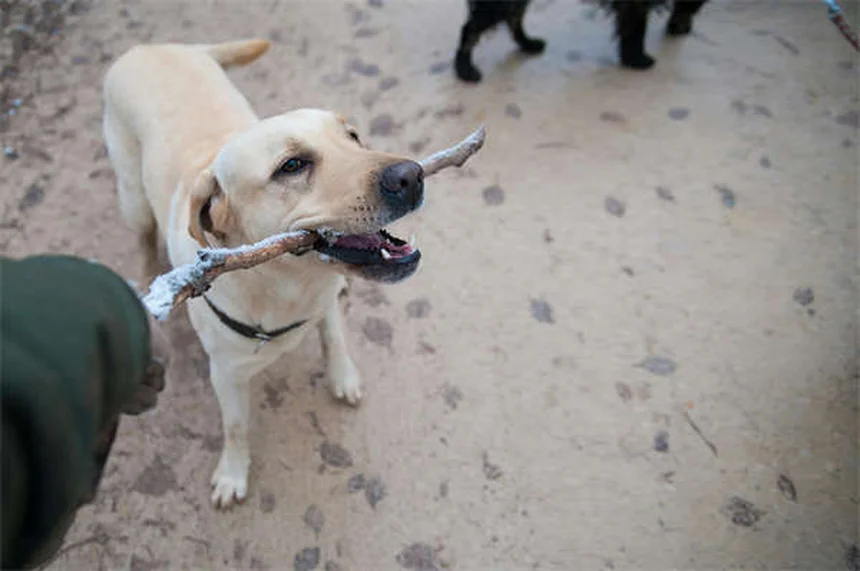

Wondering how to keep your dog healthy between vet visits? The answer is simple: regular at-home health checks can make all the difference! As a dog owner myself, I've learned that spotting small changes early often prevents big health problems later. While nothing replaces professional veterinary care, these easy 5-minute checkups help you catch issues before they become serious.Here's the deal - dogs age faster than we do (about 7 years for every human year!), so that annual vet visit is like you only seeing a doctor every seven years. That's why at-home monitoring is so crucial. The good news? You don't need medical training - just some peanut butter, your hands, and about 5 minutes per week. I'll show you exactly what to look for in your dog's skin, mouth, weight, and vital signs.Remember my golden retriever Max? Our weekly health check cuddle sessions (complete with belly rubs and treats) have helped catch two minor issues before they became major. That's the power of being your dog's health detective! Let's dive into these simple but potentially life-saving checks you can start doing today.
E.g. :Gelderland Horse: 5 Must-Know Facts About This Dutch Beauty
- 1、Becoming Your Dog's Health Detective
- 2、Skin Deep: Checking for Trouble Spots
- 3、Peek Inside: The Mouth Matters
- 4、Weight Watching: More Than Just Looks
- 5、Vital Signs: Know What's Normal
- 6、When to Sound the Alarm
- 7、Beyond the Basics: Advanced Health Monitoring
- 8、The Eyes Have It
- 9、Ears: More Than Just Floppy or Pointy
- 10、Behavioral Clues You Can't Ignore
- 11、Nutritional Warning Signs
- 12、Senior Dog Special Care
- 13、FAQs
Becoming Your Dog's Health Detective
The Power of At-Home Checkups
Let me tell you something funny - my golden retriever Max actually loves his weekly health checks because he gets extra belly rubs! While we can't replace professional vet care, you can become an amazing health detective for your furry friend. Think about it - who knows your dog's normal behavior better than you? That weird little head tilt or change in appetite? You'll spot it first!
Veterinarians like Dr. Jeffrey explain that dogs age faster than humans - one human year equals about 7 dog years. That means your annual vet visit is like you only seeing a doctor every seven years! Here's a quick comparison to show why regular checks matter:
| Checkup Frequency | Human Equivalent | Potential Issues Missed |
|---|---|---|
| Yearly | Every 7 years | Early dental disease, weight changes |
| Twice yearly | Every 3-4 years | Skin conditions, joint stiffness |
| Monthly at-home checks | Constant monitoring | Almost nothing! |
Making It a Positive Experience
Turn health checks into bonding time! My secret? Peanut butter on a spoon while I examine Max's paws. Positive reinforcement makes everything easier. Dr. Ng suggests thinking of it as giving your dog a full-body massage - who wouldn't love that?
Skin Deep: Checking for Trouble Spots
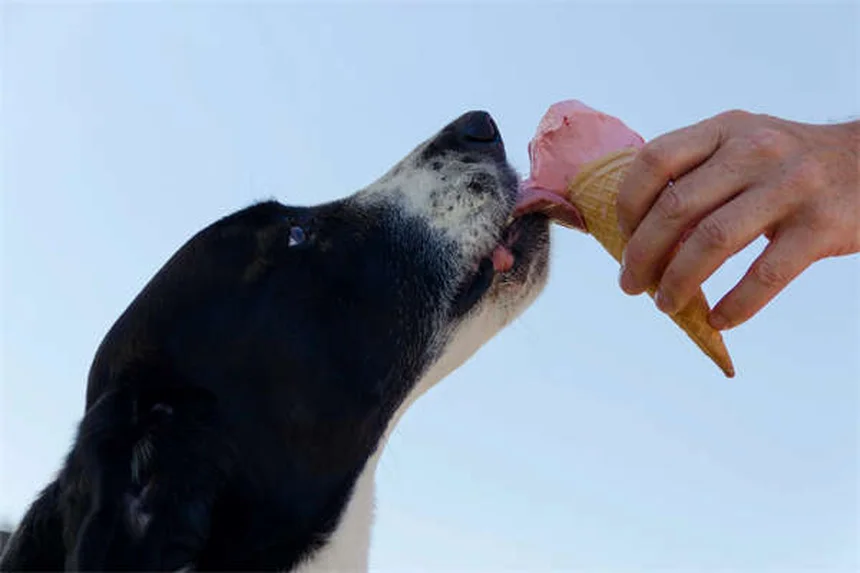 Photos provided by pixabay
The Lump Detection Routine
Did you know 1 in 4 dogs develops skin tumors? That's why I do "lump patrol" every Sunday during cuddle time. Pay special attention to hidden areas - armpits, belly folds, under the tail. Here's what to look for:
• New lumps that appear suddenly
• Bumps that change size or color
• Areas that seem painful when touched
• Spots that itch or bleed
When to Worry About Skin Changes
Remember my neighbor's poodle, Bella? Her owner noticed a tiny red bump that turned out to be an early mast cell tumor. Because they caught it early, Bella needed minimal treatment. This shows why regular checks are crucial - you might save your dog's life!
But here's a question: Can you tell a harmless lump from a dangerous one just by looking? Absolutely not! Even vets need tests like biopsies for accurate diagnoses. When in doubt, snap a photo with your phone to show your vet and schedule an appointment.
Peek Inside: The Mouth Matters
Dental Health = Overall Health
Bad breath isn't just stinky - it could signal serious problems! I learned this the hard way when Max needed two teeth pulled. Now we do "tooth time" every night with chicken-flavored toothpaste (yes, that exists!).
Healthy dog gums should look like pink bubblegum - moist and uniform in color. Watch for:
• Red, swollen gums
• Brown tartar buildup
• Broken or loose teeth
• Bleeding when chewing
 Photos provided by pixabay
The Lump Detection Routine
Notice your dog favoring one side when eating? That's like you only chewing on your left side because your right molar hurts! Changes in chewing habits often indicate dental pain. Keep an eye on how your dog handles different foods - reluctance to eat kibble can be a red flag.
Weight Watching: More Than Just Looks
The Scale Doesn't Lie
Here's a fun trick - weigh yourself first, then weigh yourself holding your dog. The difference is their weight! I track Max's numbers in my phone notes. Even small changes matter - a 10% weight shift in either direction warrants a vet visit.
But is your dog's weight the only indicator of health? Not at all! Body condition scoring gives the full picture. Run your hands along their ribs - you should feel them easily without pressing hard, like the back of your hand when you make a fist.
The Shape of Health
From above, your dog should have a slight hourglass figure - wider at the chest, narrower at the waist. If they look more like a sausage or a skeleton, it's time for a nutritional consult. Remember, obesity cuts lifespan by up to 2 years!
Vital Signs: Know What's Normal
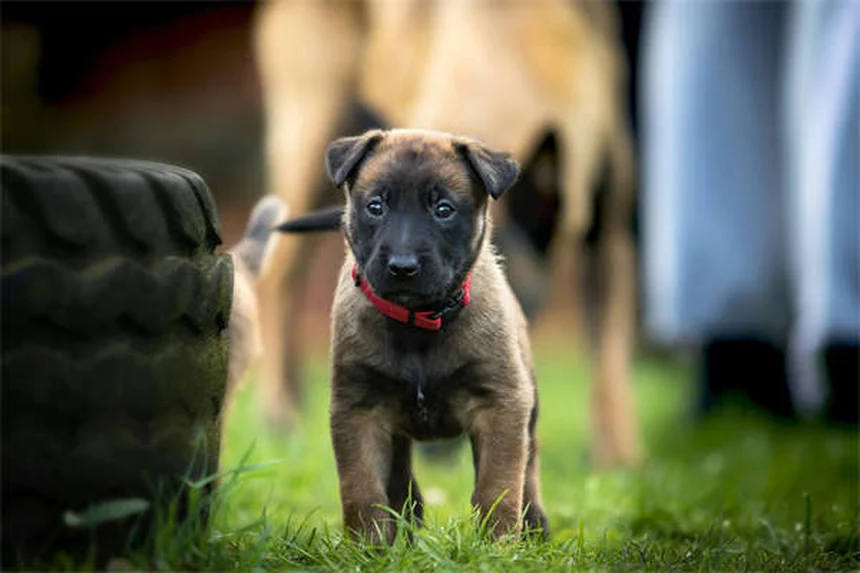 Photos provided by pixabay
The Lump Detection Routine
Next time your dog naps, count their breaths for 15 seconds and multiply by 4. Normal is 10-30 breaths per minute. Heart rate varies by size - small dogs may be 120 bpm while large breeds might be 60 bpm.
Pro tip: Use the "elbow trick" - place your hand just behind the front leg elbow to feel the heartbeat. It's easier than trying to find a pulse!
Temperature Taking
Yes, you can take your dog's temperature at home! Use a pet-specific thermometer (human ones aren't accurate for dogs). Normal ranges from 100-102.5°F. If it's over 103°, call your vet immediately.
When to Sound the Alarm
Red Flags That Can't Wait
While home checks are great, some symptoms need immediate vet attention:
• Difficulty breathing
• Collapse or inability to stand
• Seizures
• Bloated abdomen
• Pale gums
• Trauma (like being hit by car)
Trust Your Gut
You know your dog better than anyone. If something feels "off," don't second-guess yourself. As Dr. Jeffrey says, "When in doubt, check it out!" Better safe than sorry when it comes to our furry family members.
Remember my motto: An ounce of prevention is worth a pound of cure - especially when that "ounce" comes with extra belly rubs and peanut butter rewards!
Beyond the Basics: Advanced Health Monitoring
Tracking Hydration Like a Pro
Here's something most dog owners never think about - the skin tent test! Gently pinch the skin between your dog's shoulder blades and release. If it snaps back immediately, great hydration. If it takes more than 2 seconds? Your pup might be dehydrated.
Did you know a 10% loss of body water can cause serious health issues? I keep a water intake log for Max - about 1 ounce per pound of body weight daily is ideal. But here's the kicker - dogs eating wet food need less water than kibble-fed pups. Who knew, right?
The Poop Patrol
Let's talk about everyone's favorite topic - poop! I keep a "poop diary" (yes, really) tracking consistency, color and frequency. Normal stools should be chocolate brown, formed but not hard. Anything outside this range could indicate problems:
| Poop Characteristic | Possible Meaning | When to Worry |
|---|---|---|
| Black/tarry | Internal bleeding | Emergency vet visit |
| Yellow/orange | Liver issues | Schedule vet appointment |
| Greasy/gray | Pancreas problems | Call vet within 24 hours |
The Eyes Have It
Reading the Windows to Their Health
Clear, bright eyes are more than just beautiful - they're healthy! I check Max's eyes every morning during our "good boy" face rubs. Cloudiness, redness or discharge can signal anything from allergies to serious conditions like glaucoma.
Here's a cool trick - the "blink test." Gently wave your hand toward your dog's face (without touching). If they don't blink, it might indicate vision problems. But remember - some smart pups will just sit still because they trust you!
Tear Stains Tell Tales
Those reddish-brown stains under your dog's eyes? They're not just cosmetic. Excessive tearing could mean eye irritation, blocked tear ducts or even dental issues. My vet taught me to gently wipe with a warm, damp cloth daily - it's become part of our bonding routine.
Ears: More Than Just Floppy or Pointy
The Smell Test
Healthy ears shouldn't smell bad - period. If you catch a whiff of something funky, it's time for closer inspection. I use the "cotton ball test" - gently wipe the outer ear with a dry cotton ball. Dark brown or black gunk? Probably an infection brewing.
But here's a question: Are some breeds more prone to ear issues? You bet! Dogs with floppy ears like Basset Hounds or Cocker Spaniels need extra attention because their ear canals don't get much air circulation. Weekly cleaning with vet-approved solution can prevent most problems.
Scratching the Surface
Excessive head shaking or ear scratching is your dog's way of saying "something's wrong in here!" Left untreated, ear infections can become chronic. I learned to spot early signs when Max kept rubbing his ear on the carpet - turned out to be the start of a yeast infection.
Behavioral Clues You Can't Ignore
Sleep Pattern Changes
Dogs sleep about 12-14 hours daily, but quality matters as much as quantity. If your usually active pup starts sleeping all day or can't seem to get comfortable, pain might be the culprit. I track Max's sleep using a simple notebook by the couch.
Watch for these subtle changes:
• Restlessness at night
• Sleeping in unusual positions
• Difficulty getting up after naps
• Excessive daytime sleepiness
The Tail Tells All
A wagging tail doesn't always mean happiness! The position and speed of wagging can indicate everything from fear to aggression to pain. Low, slow wags often signal discomfort, while high, stiff wags might mean agitation.
Here's something fascinating - research shows dogs wag more to the right when happy and left when anxious. Next time your dog greets you, watch closely - it's like they're sending secret messages with their tails!
Nutritional Warning Signs
Coat Quality Connection
A dull, dry coat isn't just a grooming issue - it's often the first sign of nutritional deficiencies. I switched Max to a fish oil supplement when his coat lost its shine, and within weeks he looked like a shampoo commercial model!
Essential fatty acids aren't just for looks - they support skin health, joint function and even brain development. But here's the catch - too much can cause diarrhea. Always consult your vet before adding supplements.
The Picky Eater Puzzle
Sudden food refusal isn't just "being fussy" - it could indicate dental pain, nausea or even serious illness. When Max skipped two meals in a row last year, it turned out to be pancreatitis. Now I know - when in doubt, check it out!
Try this simple test: Offer a special treat like chicken or cheese. If they refuse that too, it's definitely not just pickiness. But if they gobble it up? Probably just being a diva about their kibble!
Senior Dog Special Care
Cognitive Changes to Watch
Older dogs can develop something called canine cognitive dysfunction - basically doggy dementia. Staring at walls, getting "lost" in familiar places, or changes in sleep-wake cycles are common signs.
I created a "senior dog checklist" when Max turned 8:
• Nighttime wandering
• Increased anxiety
• House training regression
• Disorientation
• Changed interactions with family
Arthritis Awareness
Ever notice your dog hesitating before jumping on the couch? That slight pause could be joint pain. Other subtle signs include:
• Difficulty with stairs
• Lagging behind on walks
• Licking joints excessively
• Muscle loss in hind legs
Simple home modifications can help - raised food bowls, orthopedic beds, and non-slip rugs make a huge difference. I even built Max a little ramp for the car - he acts like it's his royal carriage!
E.g. :How to Health Check a Dog at Home | Guide Dogs UK
FAQs
Q: How often should I do at-home health checks on my dog?
A: Weekly checks are ideal, but at minimum, you should examine your dog thoroughly once a month. Think about it this way - since dogs age faster than humans, monthly checks are like us getting a physical every few years. I do Max's checks every Sunday during our special cuddle time (with peanut butter rewards, of course!). Focus on skin, mouth, weight, and behavior changes. The more regularly you check, the quicker you'll notice anything unusual. Just remember - these at-home exams don't replace annual vet visits, but they help fill the gaps between professional care.
Q: What's the best way to check my dog's weight at home?
A: Here's my foolproof method: First, weigh yourself on your bathroom scale. Then pick up your dog and weigh both of you together. Subtract your weight - that's your dog's weight! For smaller dogs, this works great. For larger breeds, many vet offices will let you pop in just to use their scale. Track the numbers in your phone notes - even a 10% change up or down could signal health issues. Pro tip: Also feel your dog's ribs - you should be able to feel them easily without pressing hard, like the back of your hand when you make a fist.
Q: My dog hates having his mouth examined - any tips?
A: I feel you! Max used to clamp his jaws shut too. The secret? Make it positive with tasty rewards and go slow. Start by gently lifting his lips for just 1-2 seconds, then immediately reward. Gradually increase time as he gets comfortable. Chicken-flavored toothpaste (yes, it exists!) helps too. Do checks when your dog is relaxed, like after exercise. And associate mouth handling with good things - I give Max a special chew toy afterward. Within a few weeks, most dogs tolerate brief inspections. If not, ask your vet for demonstration at your next visit.
Q: What temperature is too high for a dog?
A: A dog's normal temperature ranges from 100°F to 102.5°F. Anything over 103°F means you should call your vet immediately. Here's how I check Max's temp: Use a pet-specific thermometer (human ones aren't accurate for dogs) lubricated with petroleum jelly. Gently insert about 1 inch into the rectum. Digital thermometers beep when done. If your dog resists, don't force it - instead, feel his ears and paws. If they're unusually hot along with other symptoms like lethargy, it's vet time. Remember, fever alone isn't a diagnosis but signals something's wrong.
Q: When should I worry about a lump on my dog?
A: All new lumps deserve vet attention, but some are more urgent than others. Snap a photo with your phone and monitor for these red flags: rapid growth, color change, bleeding, itching, or pain when touched. Also note the location - armpits, belly folds and under the tail are common trouble spots. While many lumps are harmless (like fatty tumors in older dogs), only your vet can tell for sure. Here's my rule: if a lump is smaller than a pea and isn't changing, mention it at your next regular visit. Anything larger or changing needs prompt checkup. Early detection saved my neighbor's poodle from a mast cell tumor!