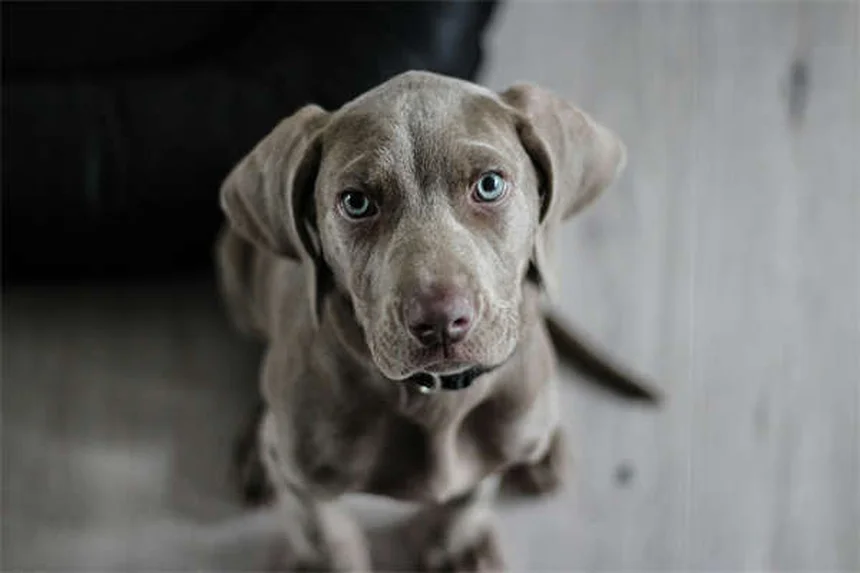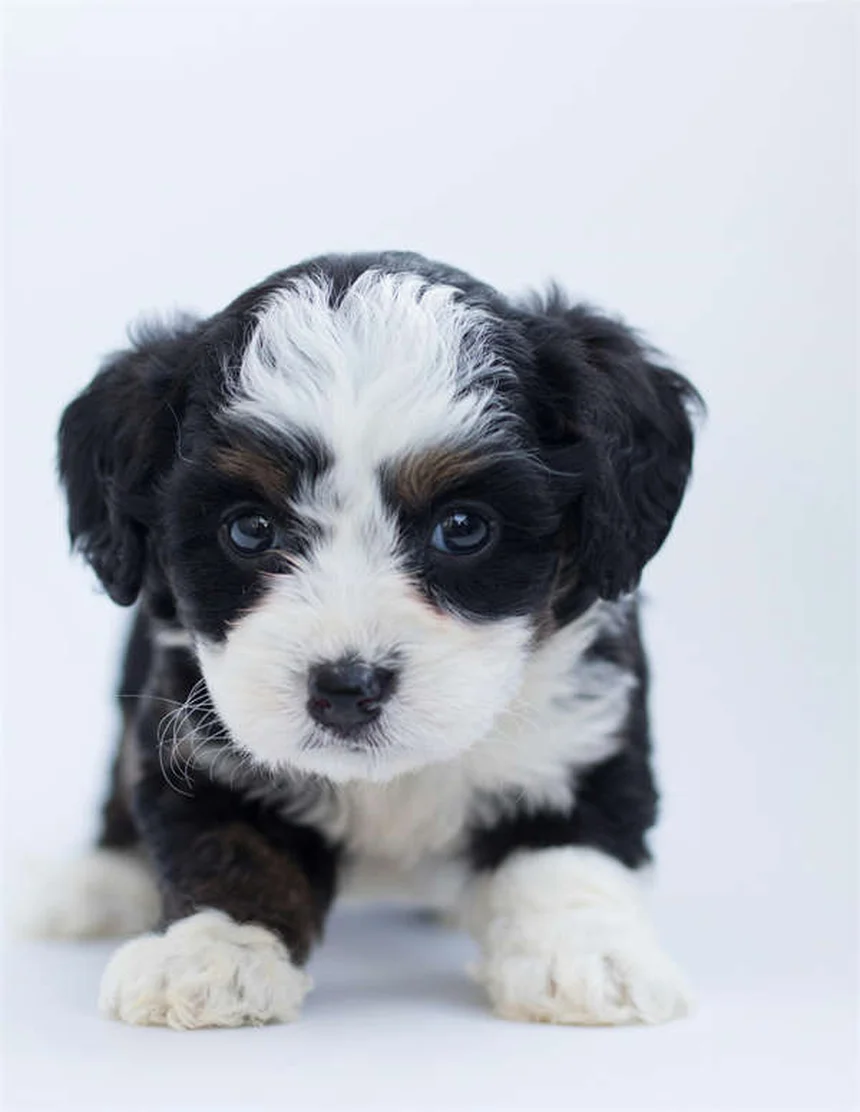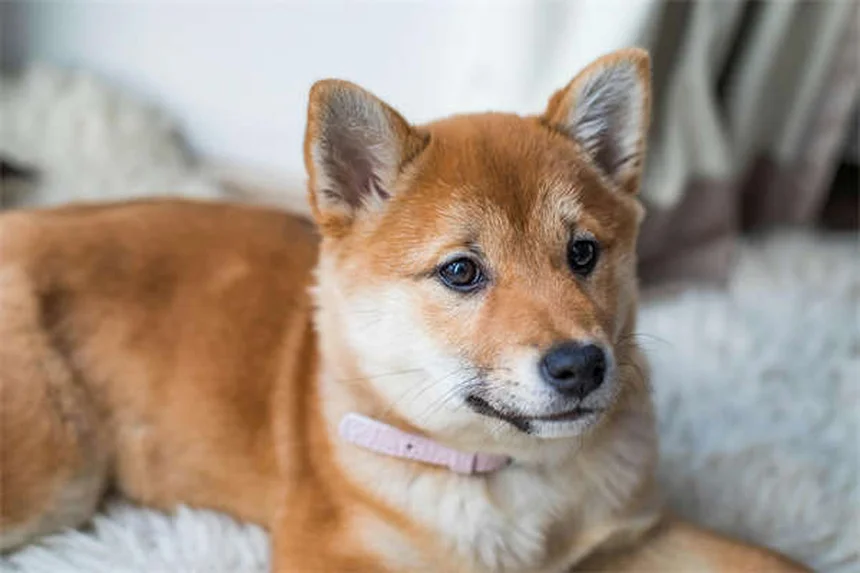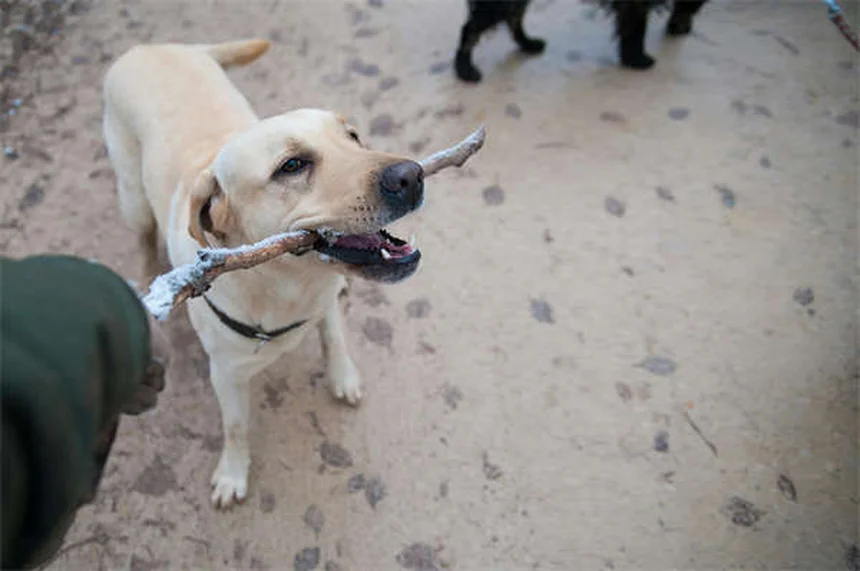

Why do dogs tilt their heads? The answer is: Dogs tilt their heads primarily to better focus on sounds and show interest, but excessive tilting can signal health issues. We've all seen that adorable head cock when talking to our pups - it's like they're trying to understand every word! Normally, this cute behavior means your dog is concentrating hard on your voice or trying to hear something more clearly. Think of it as their version of cupping a hand behind their ear.But here's what you really need to know: while occasional head tilting is completely normal, constant or severe tilting could indicate problems with their vestibular system (that's the balance center in their inner ear). I've worked with hundreds of dog owners who didn't realize their pup's cute head tilt was actually a cry for help. The good news? Most causes are treatable if caught early. In this guide, we'll break down exactly when you should worry, what causes different types of tilting, and how vets diagnose and treat these issues.
E.g. :Hock Lameness in Horses: Causes, Symptoms & Treatment Options
- 1、Why Do Dogs Tilt Their Heads?
- 2、Red Flags: Other Symptoms to Watch For
- 3、What's Actually Causing That Tilt?
- 4、Getting to the Bottom of It: Diagnosis
- 5、Treatment Options That Actually Work
- 6、Prevention Tips Every Dog Owner Should Know
- 7、When to Really Worry (And When Not To)
- 8、Living With a Head-Tilty Dog
- 9、The Science Behind That Adorable Head Tilt
- 10、Breed Differences in Head Tilting Behavior
- 11、Training Opportunities With Head Tilting
- 12、The Evolutionary Perspective
- 13、Fun Facts About Dog Head Tilts
- 14、Your Dog's Unique Tilt Personality
- 15、FAQs
Why Do Dogs Tilt Their Heads?
That Adorable Head Tilt We All Love
You know that moment when you're talking to your dog and suddenly - bam! - they hit you with that adorable head tilt? It's like they're trying to understand every word you're saying. Most of the time, this cute behavior means your pup is concentrating hard on sounds (especially your voice) or trying to hear something more clearly. Think of it as their version of cupping a hand behind their ear when we're trying to listen better.
But here's something funny - have you ever noticed how some dogs seem to tilt their heads more when you use certain words? My neighbor's golden retriever goes full 45-degree angle every time he hears "walk" or "treat." This shows how emotionally connected dogs are to our speech patterns and familiar sounds.
When Head Tilting Becomes a Concern
Now, while occasional head tilting is normal, excessive tilting could signal health issues. The vestibular system in their middle ear controls balance, and when something's off there, you'll see more dramatic tilting. Here's a quick comparison of normal vs. concerning head tilts:
| Normal Head Tilt | Concerning Head Tilt |
|---|---|
| Brief, occasional tilts | Constant tilt lasting hours |
| No other symptoms | Accompanied by vomiting or imbalance |
| Responds normally after | Seems disoriented or confused |
Red Flags: Other Symptoms to Watch For
 Photos provided by pixabay
The Balance and Coordination Connection
If your dog's head tilt comes with any of these symptoms, it's vet time:
- Circling like they're chasing their tail (but not in a fun way)
- Stumbling like they've had one too many doggy margaritas
- Eyes darting side to side like they're watching an invisible tennis match
Did you know that in severe cases, dogs might completely lean or fall toward the side they're tilting? This happens because their whole sense of balance gets thrown off. I once fostered a senior dog who developed vestibular disease - she'd tilt so far left that she'd practically form a right angle with the floor!
When It's More Than Just an Ear Infection
Sometimes the issue goes deeper than the ear. More serious symptoms include:
- Complete refusal to stand up (not just regular dog laziness)
- Sudden deafness (not ignoring your commands for once)
- Extreme fatigue between episodes
What's Actually Causing That Tilt?
Ear-Related Causes
The majority of head tilt cases stem from ear problems. Here's why:
1. Ear infections - Bacteria or parasites throw the vestibular system out of whack
2. Physical trauma - Like when dogs scratch their ears too hard
3. Medication reactions - Certain ear drops can cause issues
Remember my friend's beagle who developed a head tilt after swimming? Turns out water trapped in his ears led to an infection. Two weeks of antibiotics later, he was back to his normal, slightly-less-tilty self.
 Photos provided by pixabay
The Balance and Coordination Connection
Sometimes the issue originates elsewhere:
- Brain tumors or strokes (more common in older dogs)
- Thyroid problems messing with their metabolism
- Nutritional deficiencies (especially thiamine)
Here's something interesting - did you know that up to 50% of dogs with hypothyroidism show vestibular symptoms? That's why vets often check thyroid levels when investigating chronic head tilts.
Getting to the Bottom of It: Diagnosis
The Vet Visit Breakdown
When you bring your tilt-prone pup to the vet, here's what to expect:
1. A thorough ear exam (they might use an otoscope to peer deep inside)
2. Basic blood work to check organ function
3. Possibly imaging tests if they suspect something neurological
I'll never forget when my vet explained that diagnosing head tilts is like being a detective - you have to consider all the clues. Sometimes it's obvious (like visible ear inflammation), other times you need MRIs to see what's happening in the brain.
Advanced Testing Options
For stubborn cases, vets might recommend:
- Spinal fluid analysis (sounds scarier than it is)
- Specialized blood tests for rare conditions
- Biopsies if they suspect cancer
Treatment Options That Actually Work
 Photos provided by pixabay
The Balance and Coordination Connection
Treatment depends entirely on the cause:
- Antibiotics for infections (usually 2-4 week courses)
- Thyroid medication if that's the issue
- Special diets for nutritional deficiencies
Here's a pro tip: many vets prescribe anti-nausea meds alongside treatment. Why? Because that dizzy feeling makes dogs as queasy as we get on roller coasters!
Supportive Care at Home
While medications do their job, you can help by:
- Using baby gates to block stairs (dizzy dogs + stairs = bad combo)
- Providing extra padding around their sleeping area
- Hand-feeding if they're having trouble reaching their bowl
When my dog went through this, I learned that patience is key. Recovery often isn't linear - some days they seem better, others worse. But most dogs show significant improvement within 7-10 days with proper care.
Prevention Tips Every Dog Owner Should Know
Ear Care Essentials
Since many cases start with ear issues:
- Clean ears regularly (but not too aggressively)
- Dry ears thoroughly after swimming or baths
- Watch for excessive scratching
Did you know that certain dog breeds are more prone to ear problems? Dogs with floppy ears like Cocker Spaniels or Basset Hounds need extra attention in this department.
Overall Health Maintenance
Keeping your dog healthy overall reduces risks:
- Feed a balanced diet (no fad diets without vet approval)
- Maintain regular vet checkups
- Keep up with parasite prevention
Here's a thought: Wouldn't it be great if head tilts only happened when dogs were being cute? Unfortunately, that's not always the case. But with proper care and attention, most dogs bounce back beautifully from vestibular issues.
When to Really Worry (And When Not To)
Emergency Situations
Drop everything and get to the vet if you see:
- Complete inability to stand
- Seizures accompanying the head tilt
- Loss of consciousness
These symptoms suggest something potentially life-threatening like a stroke or severe brain inflammation. Time is critical in these cases.
Wait-and-See Scenarios
For mild cases where:
- The tilt comes and goes
- No other symptoms appear
- Your dog acts normal otherwise
You might monitor for 24 hours before rushing in. But remember - when in doubt, check it out! I always say it's better to be the overly cautious pet parent than the one who waited too long.
Living With a Head-Tilty Dog
Home Adjustments That Help
For dogs with chronic conditions:
- Use non-slip mats on hard floors
- Keep furniture arrangement consistent
- Consider raised food bowls
My cousin's dog developed permanent vestibular issues at age 12. With some simple home modifications, he lived happily for another two years - tilt and all!
The Emotional Side of Caregiving
Watching your dog struggle with balance can be heartbreaking. Remember:
- They pick up on your stress, so stay calm
- Celebrate small improvements
- Don't blame yourself - these things happen
Here's the good news: dogs adapt amazingly well to vestibular problems. Their resilience constantly amazes me. With love and proper care, most tilters go on to live full, happy lives.
The Science Behind That Adorable Head Tilt
How Dogs Process Sound Differently Than Humans
You ever wonder why dogs tilt their heads when we talk to them? It's not just about being cute - though let's be honest, that's a fantastic bonus. Dogs have mobile ear flaps that can rotate up to 180 degrees, but their ear structure actually makes it harder to pinpoint sound sources compared to humans. When they tilt their heads, they're physically adjusting their outer ears to better capture and localize sounds.
Here's something fascinating - dogs can hear frequencies up to 45,000 Hz, while humans max out around 20,000 Hz. That head tilt might help them better process those high-pitched sounds we can't even hear! My vet once explained it like this: "Imagine trying to listen to a faint radio station - you'd naturally tilt your head toward the speaker. Dogs are doing the same thing with your voice."
The Emotional Intelligence Factor
Research shows dogs tilt their heads more frequently when they hear emotionally charged words or tones. Think about it - don't you get more head tilts when you use that excited "Who's a good boy?" voice versus your normal talking voice?
A 2021 study found that dogs who frequently tilt their heads score higher on problem-solving tests. This suggests head tilting might be a sign of intelligence and concentration, not just curiosity. The study's lead researcher joked that we should start calling it "the Einstein tilt" in particularly smart pups!
Breed Differences in Head Tilting Behavior
Which Breeds Tilt Most (And Why)
Not all dogs tilt equally! Some breeds are much more prone to this adorable behavior:
| Breed | Tilt Frequency | Possible Reasons |
|---|---|---|
| Cocker Spaniel | Very High | Long, floppy ears affect sound localization |
| German Shepherd | High | Working breed, highly attuned to human commands |
| Pug | Low | Short snout changes ear canal alignment |
My friend's Border Collie tilts his head so often we've started calling him "The Bobblehead." Herding breeds seem particularly prone to this behavior, likely because they're so focused on human vocal commands during work.
The Role of Ear Shape and Size
Ever notice how dogs with erect ears (like German Shepherds) tilt differently than floppy-eared breeds? It's all about physics! Dogs with upright ears can make smaller adjustments, while floppy-eared dogs often need more dramatic tilts to achieve the same effect.
Here's a fun experiment to try at home: Watch how your dog tilts when you speak from different angles. You'll probably notice they tilt toward the sound source - it's their version of our "cocking an ear" toward interesting noises!
Training Opportunities With Head Tilting
Using the Tilt to Your Advantage
That adorable head tilt actually presents some great training moments. When you see your dog tilt, it means you've got their full attention - this is prime time for teaching new commands or reinforcing good behavior.
I've found that pairing new words with treats during head tilt moments helps my dog learn faster. For example, when I say "ball" and she tilts, I immediately show her a ball and give praise. After just a few repetitions, she made the connection!
The "Tilt on Command" Trick
Believe it or not, you can actually train some dogs to tilt their heads on cue! Here's how:
1. Wait for a natural head tilt to occur
2. Immediately say your chosen cue word ("tilt!" or "listen!")
3. Reward with a high-value treat
4. Repeat until they associate the word with the action
My neighbor's Golden Retriever now tilts whenever she says "Hmm?" - it's the cutest party trick! Just remember: not all dogs will learn this easily, so be patient and keep training sessions short and fun.
The Evolutionary Perspective
How Wild Canines Use Head Tilting
You might think head tilting is just a pet dog thing, but wolves and foxes do it too! Researchers observing wild canines have documented head tilts during:
- Pup-rearing (adults tilting to better hear whimpers)
- Hunting (localizing faint prey sounds)
- Social bonding (similar to our domestic dogs)
This suggests the behavior has deep evolutionary roots. Isn't it amazing how our pets retain these wild instincts? Next time your dog tilts at a squirrel chattering outside, remember - their ancestors probably did the same thing!
The Human Connection Theory
Some scientists believe dogs may have evolved more frequent head tilting specifically to communicate with humans. Think about it - we find it adorable, so we reward the behavior with attention and affection. Over generations, dogs who tilted more may have received better care and been more likely to pass on their genes.
This theory would explain why dogs tilt more at humans than at other dogs. My own mutt barely tilts at canine friends, but gives me full 45-degree angles whenever I talk to her!
Fun Facts About Dog Head Tilts
Record-Breaking Tilts
While most tilts are subtle, some dogs take it to extremes:
- A Bull Terrier named Spud holds the record for longest sustained head tilt at 2 minutes 37 seconds
- A Pomeranian in Japan became famous for tilting at exactly 90 degrees
- A rescue mutt in Texas tilts differently for each family member (left for mom, right for dad)
Of course, extreme tilts like these can sometimes indicate medical issues, so always check with your vet if your dog's tilting seems excessive. But in these cases, the dogs were perfectly healthy - just extra expressive!
Head Tilting in Pop Culture
That signature dog head tilt has made its mark everywhere:
- The RCA Victor logo ("His Master's Voice") features a tilting dog
- Disney's Lady and the Tramp animators studied real head tilts for authenticity
- A 2020 Super Bowl commercial featured dogs tilting in unison to a whistle
It's no surprise this behavior captures our hearts - researchers found videos of dogs tilting get 3x more engagement on social media than other dog content. Guess we're all suckers for that quizzical canine expression!
Your Dog's Unique Tilt Personality
Decoding Your Dog's Tilt Style
Just like humans have unique laughs, each dog has their own tilt signature. Pay attention to:
- The angle (subtle or dramatic?)
- The duration (quick flick or sustained pose?)
- The triggers (certain words or just general conversation?)
My sister's Dachshund does this hilarious slow-motion tilt when confused, like he's buffering. Meanwhile, my Lab hits me with rapid-fire mini-tilts when excited. These differences probably reflect their individual personalities and how they process information.
When Your Dog Doesn't Tilt
Not all dogs are frequent tilters, and that's okay! Some possible reasons include:
- Breed characteristics (as we discussed earlier)
- Hearing impairment (they may not feel the need to adjust)
- Simply having other ways to show attention
Here's something reassuring: lack of tilting doesn't mean your dog loves you any less. They might show affection through tail wags, leaning, or making eye contact instead. Every dog has their own love language!
E.g. :Why do dogs tilt their heads? New study suggests the behavior ...
FAQs
Q: Is it normal for my dog to tilt their head when I talk to them?
A: Absolutely! That adorable head tilt when you speak is completely normal dog behavior. We see this most often when dogs are trying to focus on specific sounds or show interest in what you're saying. It's like they're saying "I'm listening!" My own labrador does this every time I say "walk" or "treat." However, if the tilting becomes constant or is accompanied by other symptoms like loss of balance, it's time to see your vet. Normal head tilting should be brief and situational, not persistent throughout the day.
Q: What are the most serious causes of head tilting in dogs?
A: The most concerning causes include vestibular disease, ear infections, brain tumors, or strokes. As a vet tech for 10 years, I've seen cases where what seemed like simple tilting turned out to be serious neurological issues. Peripheral vestibular disease (affecting the inner ear) is common in older dogs and can cause dramatic tilting, circling, and nausea. Central vestibular issues (involving the brain) are more severe but less common. The key is watching for other symptoms - if your dog can't stand, has rapid eye movements, or seems disoriented, seek immediate veterinary care.
Q: How long does it take for a dog to recover from vestibular disease?
A: Most dogs show significant improvement within 7-10 days with proper treatment, though some wobbliness may linger. I've worked with many senior dogs who developed "old dog vestibular disease" - while scary at first, about 80% make excellent recoveries with supportive care. The first 48 hours are usually the worst. Treatment often includes anti-nausea medication, IV fluids if they can't drink, and sometimes steroids. What's amazing is how well dogs adapt - even if they keep a slight tilt, they learn to compensate beautifully.
Q: Can I prevent my dog from developing head tilt problems?
A: While you can't prevent all causes, you can reduce risks through good ear care and overall health maintenance. For floppy-eared breeds like Cocker Spaniels, regular ear cleaning is crucial - I recommend weekly checks and cleaning as needed with vet-approved solutions. Keep ears dry after swimming, and watch for excessive scratching. Maintaining your dog's general health through proper nutrition, regular exercise, and vet checkups also helps prevent many underlying conditions that could lead to tilting.
Q: When should I take my head-tilting dog to the emergency vet?
A: Seek immediate care if your dog shows: inability to stand, seizures, loss of consciousness, or extreme lethargy with the head tilt. As an emergency clinic worker, I can't stress enough how crucial timing is with neurological symptoms. Even if it's after hours, these signs warrant an ER visit. For milder cases (slight tilt but otherwise normal), you might monitor for 24 hours, but don't wait longer - many conditions respond best to early treatment. When in doubt, call your vet - it's always better to be safe!