
Want to know how to become a dog trainer? Here's the straight answer: It takes passion, patience, and proper training - both for you and the dogs! I've been in this field for over a decade, and let me tell you, there's nothing more rewarding than seeing a previously unruly pup transform into a well-behaved companion. Whether you're looking for a career change or just want to help friends with their dogs, these 10 practical steps will set you on the right path. From building your knowledge base to getting hands-on experience, we'll cover everything you need to start your journey as a professional dog trainer. And trust me, while it's not always easy, those moments when a dog finally gets it make all the hard work worthwhile!
E.g. :Meloxicam for Dogs: Safe Pain Relief & Dosage Guide
- 1、How to Start Your Journey as a Dog Trainer
- 2、Getting Hands-On Experience
- 3、Developing Essential Skills
- 4、Taking Your Skills to the Next Level
- 5、Keeping the Passion Alive
- 6、Expanding Your Dog Training Horizons
- 7、Understanding Dog Psychology Deeper
- 8、Creative Training Techniques
- 9、Building Community Connections
- 10、Handling Training Challenges
- 11、FAQs
How to Start Your Journey as a Dog Trainer
Why Dog Training Might Be Your Perfect Career
Ever watched a dog perform an amazing trick and thought, "I wish I could do that!"? Well, guess what - you can! Becoming a dog trainer isn't just about teaching dogs to sit or stay. It's about building relationships between humans and their furry friends. And let me tell you, there's nothing more rewarding than seeing that "lightbulb moment" when a dog finally gets it!
Think about this: Did you know the average dog trainer makes $35,000-$75,000 per year? Not bad for playing with puppies all day! But seriously, this career offers flexibility, emotional rewards, and the chance to make a real difference in animals' lives. Whether you're looking for a full-time career or just want to help friends with their unruly pups, these tips will get you started.
Building Your Knowledge Base
You wouldn't try to build a house without tools, right? The same goes for dog training skills. Here's how to stock your mental toolbox:
Read everything you can get your hands on - and I mean everything! From classic books like "The Art of Raising a Puppy" to modern training manuals, each resource gives you new insights. Pro tip: Focus on positive reinforcement techniques - they work better and create happier dogs!
Here's a quick comparison of popular training methods:
| Method | Pros | Cons |
|---|---|---|
| Positive Reinforcement | Builds trust, long-lasting results | Requires patience |
| Clicker Training | Precise timing, clear communication | Need to carry clicker |
| Alpha/Dominance | Quick compliance | Can damage dog-human bond |
Getting Hands-On Experience
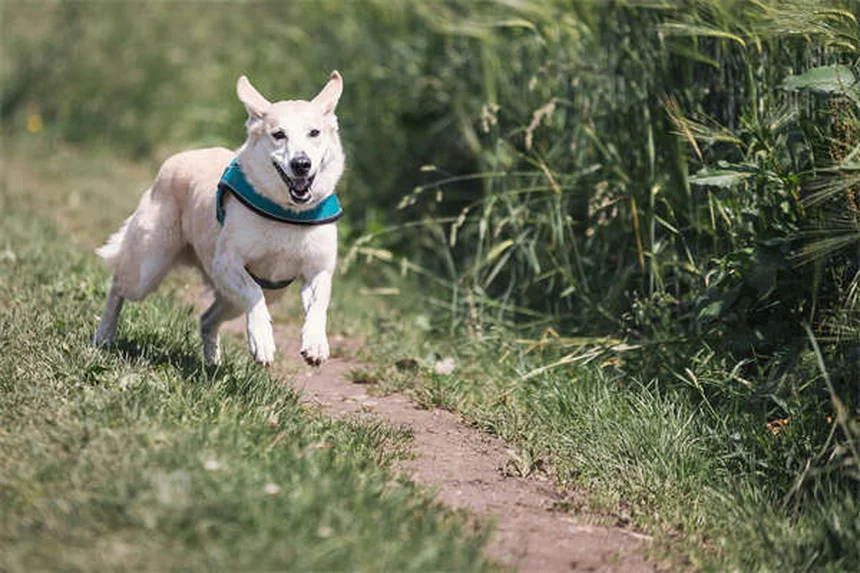 Photos provided by pixabay
Practice Makes Perfect (and Patience Makes Progress)
Remember when you first learned to ride a bike? You probably fell a few times before getting it right. Dog training works the same way! Start with familiar dogs - your own, a friend's, or even volunteer at a shelter. Each dog teaches you something new about canine behavior.
Here's a funny story: My first training attempt was with my neighbor's hyperactive Labrador. I spent an hour trying to teach him "sit," only to realize later he already knew the command - he just didn't feel like listening to me! Lesson learned: building rapport comes before commands.
Learning From the Pros
Why reinvent the wheel when you can learn from experienced trainers? Volunteer at training schools or attend seminars. Watch how different trainers handle different personalities - from shy Chihuahuas to bold German Shepherds.
Ask yourself: "What makes some trainers connect with dogs instantly?" The answer? They understand dog psychology. Dogs don't think like humans - they respond to energy, consistency, and clear communication. The best trainers speak "dog" fluently!
Developing Essential Skills
Patience Isn't Just a Virtue - It's a Requirement
If you're the type who gets frustrated when things don't work immediately, dog training will teach you patience real quick! Some dogs learn commands in minutes; others need weeks of repetition. Celebrate small victories - that moment when a previously distracted pup makes eye contact is huge progress!
Here's a reality check: Training isn't about perfection. Even top trainers have days when nothing goes right. The key is persistence. When a method fails, try a different approach. Dogs, like people, learn in different ways.
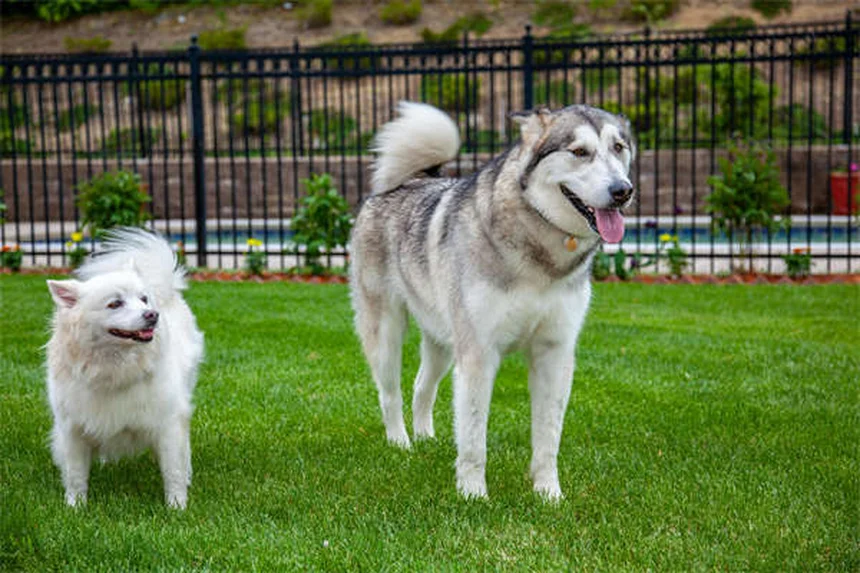 Photos provided by pixabay
Practice Makes Perfect (and Patience Makes Progress)
Surprise! Dog training is actually 50% people training. You'll need to explain techniques to owners in ways they understand and can replicate. Ever tried teaching a 6-year-old to train their new puppy? It's an art form!
Try this exercise: Explain "positive reinforcement" to a child, a teenager, and a senior citizen. Each requires different language and examples. Great trainers adapt their communication style - whether they're working with a CEO or a kindergartener.
Taking Your Skills to the Next Level
Formal Education Options
While you can learn much on your own, formal education accelerates your progress. Look for accredited programs that offer hands-on experience. Many community colleges now offer canine studies programs - some even let you bring your dog to class!
Consider these factors when choosing a program:
- Instructor qualifications (look for certified professional dog trainers)
- Student-to-dog ratio (more practice time = better)
- Curriculum focus (behavior modification vs. basic obedience)
Building Your Reputation
Start small by offering free sessions to friends and family. Document your success stories (before/after videos work great). Before you know it, word will spread, and you'll have more clients than you can handle!
Here's a question I get all the time: "How do I know when I'm ready to charge for my services?" Simple - when people start offering to pay without being asked. That's when you know you're providing real value.
Keeping the Passion Alive
 Photos provided by pixabay
Practice Makes Perfect (and Patience Makes Progress)
On tough days (and there will be tough days), remember that moment when a scared shelter dog finally wagged its tail at you. Or when a family cried happy tears because their dog could finally walk nicely on a leash. These moments make all the challenges worthwhile.
Pro tip: Keep a "win jar" where you note down every training success, no matter how small. When you're feeling discouraged, read through them. You'll be amazed at how much you've accomplished!
Continuing Education
The best trainers never stop learning. Attend workshops, follow industry leaders, and stay updated on new techniques. Did you know some trainers now use scent work to help anxious dogs? The field keeps evolving, and so should you!
Most importantly, have fun with it! Dogs sense stress and frustration. When you're enjoying the process, they will too. Now go grab some treats and start training - your future canine students are waiting!
Expanding Your Dog Training Horizons
The Business Side of Dog Training
Let's talk about something most new trainers don't consider - the business side! You might be amazing with dogs, but do you know how to set your rates or handle taxes? I learned this the hard way when I did my first 20 sessions for free before realizing I needed to eat!
Here's a golden nugget: Specialization pays. While general obedience trainers charge $30-50 per session, specialists in service dog training or aggression rehabilitation can charge $100-150. Think about what excites you most - maybe it's therapy dogs or competitive obedience. The more niche you go, the more you can charge!
Technology Meets Dog Training
Would you believe there are apps for dog training now? From remote training collars you control via smartphone to treat-dispensing cameras, technology is changing how we train. My personal favorite is the "Pupford" app - it's like having a virtual training assistant!
But here's the thing - no app replaces real human connection. Use tech as a tool, not a crutch. I once saw a client try to train their dog entirely through a tablet. The dog learned to tap the screen with its nose... but still couldn't sit on command! Balance is key.
Understanding Dog Psychology Deeper
The Science Behind Canine Learning
Ever wonder why some dogs learn faster than others? It's not just about intelligence - breed characteristics play a huge role. Herding breeds like Border Collies thrive on mental stimulation, while scent hounds may get distracted by smells. Knowing these differences helps you tailor your approach.
Here's a fun fact: Dogs have about the same cognitive abilities as a 2-3 year old human. That's why simple, consistent commands work best. Would you expect a toddler to understand complex sentences? Same goes for your furry students!
Emotional Intelligence in Dogs
Dogs experience emotions just like we do - joy, fear, even jealousy! Recognizing these emotions makes you a better trainer. I'll never forget the time I worked with a rescue who'd been abused. It took weeks just to get him to take treats from my hand, but when he finally wagged his tail... best feeling ever!
Ask yourself: "Can I read a dog's body language?" A tucked tail, whale eye, or lip licking all communicate important messages. Mastering this silent language separates good trainers from great ones.
Creative Training Techniques
Thinking Outside the Treat Bag
Sure, treats work great - but they're not the only reward option. Try using toys, praise, or even access to something the dog wants (like going outside). I trained my neighbor's terrier using his tennis ball obsession - he'd do anything for one more fetch!
Here's a comparison of reward types and their effectiveness:
| Reward Type | Best For | Effectiveness |
|---|---|---|
| Food Treats | New behaviors | High |
| Toys | Play-driven dogs | Medium-High |
| Verbal Praise | Maintaining learned behaviors | Medium |
| Physical Affection | Bonding moments | Low-Medium |
Making Training Fun
If you're bored, your dog is bored! Turn training into games. Hide treats for scent work, set up mini obstacle courses, or teach silly tricks. My students love "find it" games where they search for hidden toys. It builds focus while burning energy!
Remember that time you hated a subject in school until you had that one teacher who made it fun? Be that teacher for dogs! A happy, engaged dog learns ten times faster than a stressed one. Plus, you'll have way more fun too.
Building Community Connections
Partnering With Local Businesses
Here's a pro tip most trainers miss - team up with pet stores, groomers, and vets! I got my first 10 clients by offering free "meet and greet" sessions at our local pet supply store. Now they refer all their customers to me!
Think outside the box too. I once partnered with a coffee shop for "Puppy Latte Saturdays" where people could bring their dogs for basic training while enjoying coffee. It was a hit - the humans got caffeine, the dogs got training, and I got new clients!
Social Media Savvy
In today's world, if you're not on social media, you're invisible. But here's the secret - you don't need fancy equipment. My most popular post was a shaky phone video of a bulldog finally mastering "down" after weeks of trying. Authenticity beats production value every time!
Try this: Post "transformation Tuesday" videos showing progress. Before clips of dogs pulling on leashes, after clips of perfect walks. People eat that stuff up! Just make sure to get client permission first - not everyone wants their dog's embarrassing moments online.
Handling Training Challenges
When Progress Stalls
Every trainer hits plateaus. Maybe a dog just won't stop jumping, or keeps forgetting commands. First, don't panic! Go back to basics - often we try to advance too quickly. I once spent a whole month reinforcing "sit" with a stubborn Basset Hound before anything else.
Here's a question I ask myself with difficult cases: "What am I missing?" Sometimes the issue isn't training - it's an undiagnosed health problem. A dog that won't sit might have hip pain. Always consider physical factors when behavior changes suddenly.
Dealing With Difficult Owners
Let's be real - some humans are harder to train than their dogs! You'll encounter owners who undo all your hard work between sessions. My approach? Make them part of the training process. When they see results firsthand, they're more likely to stick with the program.
I had one client who insisted on feeding their dog table scraps despite our diet plan. Solution? I had them be the one to give healthy treats during training. They saw how responsive their dog was to proper rewards and finally got on board!
E.g. :How to become a dog trainer : r/OpenDogTraining
FAQs
Q: How long does it take to become a certified dog trainer?
A: Becoming a certified dog trainer typically takes 6 months to 2 years, depending on the program you choose and how much time you can dedicate. I always tell my students that while certification is important, real expertise comes from hands-on experience. You could complete an online course in a few months, but you'll need at least 100-300 hours of actual training practice to feel confident. Remember, every dog is different - what works for a Golden Retriever might not work for a Chihuahua! The best trainers never stop learning, so consider this an ongoing journey rather than a destination.
Q: Do I need any special qualifications to start dog training?
A: While there's no legal requirement for certifications, most professional trainers get certified through organizations like the Certification Council for Professional Dog Trainers (CCPDT) or the International Association of Canine Professionals. Here's what I recommend: start with basic obedience training for your own dog or volunteer at a shelter. Then invest in a good certification program that includes hands-on training. Many community colleges now offer affordable courses too. The key is to combine book learning with real-world experience - that's what will make you stand out!
Q: What's the most important skill for a dog trainer?
A: Hands down, patience is the #1 skill every successful dog trainer needs. I can't stress this enough - dogs learn at their own pace, and you'll encounter everything from quick learners to stubborn pups who take weeks to master "sit." But here's a secret: it's not just about patience with dogs. You'll need equal patience explaining techniques to owners! The best trainers combine canine psychology knowledge with excellent people skills. After all, you're training both ends of the leash!
Q: How much can I earn as a professional dog trainer?
A: Dog trainer salaries vary widely, but most professionals earn between $30,000-$75,000 annually. Location, experience, and specialty areas (like service dog training) all affect earnings. When I started out, I charged $25 per session - now, with 10 years experience, I command $100+ per hour for behavior modification cases. The great thing about this career? You can start part-time while keeping your day job, then scale up as you gain experience and reputation. Many trainers eventually open their own businesses or create online training courses for passive income!
Q: What's the biggest mistake new dog trainers make?
A: The most common mistake I see is expecting overnight results. Dog training is a process, not an event! New trainers often get frustrated when their first few sessions don't produce perfect obedience. Here's the truth: even the simplest commands can take weeks of consistent practice. Another big mistake? Focusing only on the dog and forgetting to train the owner. Remember, you're teaching humans how to communicate with their pets long after your sessions end. The best advice I ever received? "Train the dog in front of you" - don't assume what worked for one will work for all!