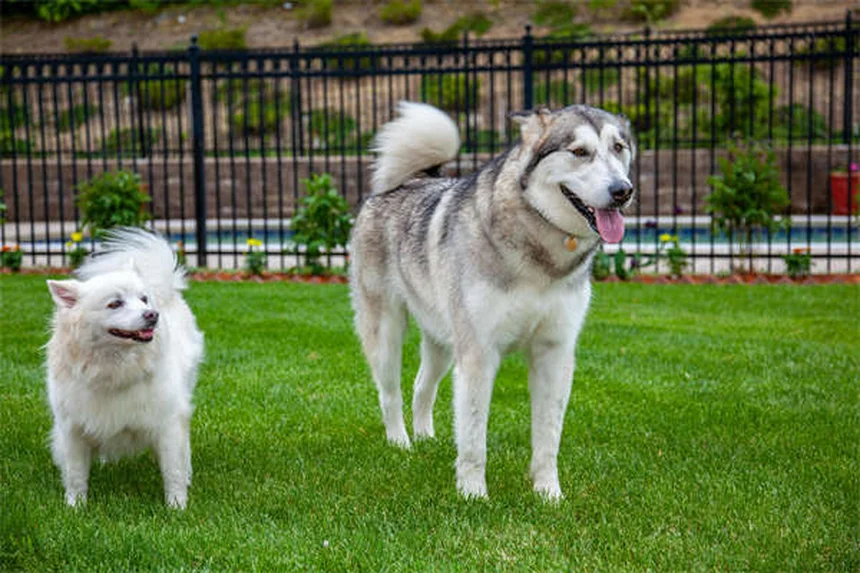

Can hawks really snatch small dogs? The answer is: yes, they absolutely can - and it's more common than you might think! Just ask Nancy Pistorius from Kansas, who watched in horror as a massive hawk swooped down toward her tiny 1-pound Yorkshire Terrier. While attacks on pets aren't an everyday occurrence, they happen often enough that every small dog owner should be aware of the risks.I've spent years researching bird behavior, and let me tell you - these raptors are nature's perfect hunting machines. With eyesight eight times sharper than ours and talons that can grip with crushing force, they're capable of grabbing animals up to their own body weight. That means your 5-pound Chihuahua could be in serious danger from larger hawks or owls.The good news? There are plenty of ways to protect your pup. From simple deterrents like reflective tape to building special pupios (outdoor dog enclosures), we'll show you exactly how to keep your furry friend safe while still enjoying the great outdoors together.
E.g. :5 Essential Facts About Tick Life Cycles Every Pet Owner Must Know
- 1、Can Hawks Really Snatch Small Dogs?
- 2、Meet the Sky Predators
- 3、When Owls Mean Business
- 4、Protecting Your Pup Like a Pro
- 5、Understanding Bird Behavior
- 6、When Nature Strikes - What To Do
- 7、Beyond the Sky Predators - Other Unexpected Pet Dangers
- 8、Creating a Truly Safe Environment
- 9、Understanding Animal Psychology
- 10、Community Solutions to Wildlife Challenges
- 11、Emergency Preparedness for Pet Owners
- 12、FAQs
Can Hawks Really Snatch Small Dogs?
The Shocking Reality of Bird Attacks
Let me tell you something that might surprise you - yes, birds of prey can grab small dogs! While it's not an everyday occurrence, Nancy Pistorius from Kansas experienced this terrifying situation firsthand with her tiny 1-pound Yorkshire Terrier, Minnie. Picture this: a massive hawk swooping down just 6 feet away from you while your puppy plays outside. That's enough to make anyone's heart skip a beat!
Now, you might be wondering - how common is this really? Well, let's look at some numbers:
| Bird Species | Average Weight | Maximum Carry Weight |
|---|---|---|
| Red-tailed Hawk | 2-2.5 lbs | 2-3 lbs |
| Great Horned Owl | 3-4 lbs | 5-6 lbs |
| Bald Eagle | 8-14 lbs | 10-15 lbs |
Close Calls and Lucky Escapes
Nancy's quick thinking with her cane saved Minnie that day, but the hawk kept coming back like a creepy stalker, watching from the backyard railing. And get this - Dr. Pete Lands from New Jersey shared a story about a hawk that actually carried off a small dog! The owner chased in his truck but lost sight of the bird. Miraculously, the dog was found two days later with just minor scratches. Talk about a happy ending!
Meet the Sky Predators
 Photos provided by pixabay
Who's Who in the Bird World
When we say "birds of prey," we're talking about the tough guys of the sky: hawks, eagles, owls, osprey, kites, and falcons. Laura VonMutius from Florida's Audubon Center explains these birds have two things in common: sharp curved beaks and powerful talons. Basically, they're nature's perfect hunting machines!
Their menu includes squirrels, rabbits, and voles, with some occasionally snacking on reptiles or insects. Eagles and osprey? They're the seafood lovers of the group, preferring fish over land animals.
Why They're Such Good Hunters
Ever notice how these birds sit perfectly still on street signs? That's because they have incredible eyesight - eight times better than ours! They wait patiently until... BAM! They swoop down at speeds up to 120 mph. That's faster than most cars on the highway!
But here's the good news: they can't carry more than their own weight. So while a red-tailed hawk might eyeball your Chihuahua, unless your dog weighs less than 2.5 pounds, it's probably safe from being carried off. Though they might still try to snack on it right there in your yard - yikes!
When Owls Mean Business
The Most Determined Hunters
If hawks are the neighborhood bullies, great horned owls are the special forces. These larger owls have been known to take down small foxes! Pat Silovsky from Kansas explains that if your chickens keep disappearing, you're probably dealing with an owl, not a hawk.
And here's something funny - these birds can be real drama queens about their territory. Even if they don't want to eat your pet, they might dive-bomb just to say "Hey! This is my airspace!"
Protecting Your Pup Like a Pro
 Photos provided by pixabay
Who's Who in the Bird World
People have tried everything to keep these birds away - reflective tape, pie pans in trees, even loud boom machines! Jme Thomas from Washington built a special "pupio" (like a catio but for dogs) to keep her tiny terriers safe. It's basically a fancy outdoor playpen that lets dogs enjoy fresh air without becoming bird food.
Nancy found that silver streamers and fake owls helped... sort of. The hawk still visited but became less frequent. It's like dealing with a stubborn door-to-door salesman - you have to keep changing tactics!
The Golden Rule of Outdoor Safety
Here's the best advice I can give you: never leave small dogs outside alone. These birds are smart - they learn routines and watch for opportunities. Always go outside with your tiny dog, stay alert, and maybe bring a big umbrella (it makes you look bigger and can scare birds away).
And here's a question you might be asking: "What if a bird actually grabs my dog?" First, check for puncture wounds on the sides - those talons are sharp! Even if your dog seems fine, internal injuries might not show up immediately. Always visit your vet after any bird encounter - better safe than sorry!
Understanding Bird Behavior
Why They Might Target Your Pet
Birds of prey don't see your beloved pet as "Fluffy" - they see potential lunch. To them, a small dog is just another mammal moving around on the ground. Their hunting instincts kick in when they see small, quick movements - exactly what puppies do when they play!
Another question people often have: "Do these birds hunt at night?" Owls absolutely do - they're the ninjas of the bird world, silent and deadly after dark. Hawks and eagles are daytime hunters, so you'll need to be extra careful during daylight hours.
 Photos provided by pixabay
Who's Who in the Bird World
If you want to let your small dog enjoy the yard safely, consider these options:
1. Covered play areas with mesh roofs
2. Supervised playtime during mid-day (when fewer birds are active)
3. Walking your dog on a leash in open areas
4. Avoiding areas near tall trees or poles where birds might perch
Remember, prevention is key. It's much easier to stop an attack before it happens than to deal with the aftermath. Stay vigilant, use common sense, and your tiny companion can enjoy the outdoors safely!
When Nature Strikes - What To Do
First Response to an Attack
If you see a bird diving toward your dog, make yourself big and loud - wave your arms, shout, throw something (not at the bird, just in its direction). Most birds will abort their attack when confronted. After any close call, do a thorough check of your pet for injuries, especially under the fur where punctures might hide.
Long-Term Protection Strategies
Consider these additional safety measures:
- Bright colored vests for your dog (makes them less "prey-like")
- Motion-activated sprinklers
- Keeping bird feeders away from dog areas (attracts small birds which attract predators)
- Regular yard maintenance to remove potential perching spots
The bottom line? While the risk is low, it's real enough to take seriously. With proper precautions, you and your small dog can enjoy many happy years together without worrying about aerial predators. Stay safe out there!
Beyond the Sky Predators - Other Unexpected Pet Dangers
Urban Wildlife You Should Watch Out For
While we're talking about birds, let's not forget about other sneaky predators in your neighborhood. Coyotes have become incredibly adaptable to city life - I've seen them casually strolling through suburban streets at dusk like they own the place! And raccoons? Those masked bandits might look cute, but they can seriously injure small pets when they feel threatened.
Here's something most people don't consider - even large birds like herons can be dangerous if you have small fish or amphibians as pets. My neighbor's koi pond became an all-you-can-eat buffet for a determined blue heron last summer. The bird kept coming back until they installed a protective net!
The Indoor Threats We Often Overlook
You know what's scarier than a hawk? Your own furniture! More pets get injured from falling objects or getting stuck in recliners than from bird attacks. I can't tell you how many times I've heard about cats getting curious about open drawers and getting trapped for hours.
And here's a table showing some surprising pet hazards:
| Common Hazard | Percentage of Pet Injuries | Most Affected Pets |
|---|---|---|
| Household chemicals | 23% | Dogs |
| Electrical cords | 18% | Kittens |
| Human medications | 15% | Both dogs and cats |
| Small toys/objects | 12% | Puppies |
Creating a Truly Safe Environment
Pet-Proofing Your Home and Yard
You might think your home is safe, but have you really looked at it from your pet's perspective? Get down on your hands and knees - that's when you'll notice the loose cords, the small gaps under cabinets, and the tempting houseplants that might be toxic. I did this exercise last month and found three potential hazards I'd never noticed before!
For outdoor spaces, consider installing motion-activated lights. They're great for scaring off nocturnal predators and they'll help you see better when taking your dog out at night. My cousin swears by her "predator proof" fence - it has a special roller bar at the top that prevents animals from climbing over.
The Power of Supervision
Here's the truth - no safety measure replaces good old-fashioned supervision. When my miniature dachshund was a puppy, I used to joke that I needed to watch him like a hawk... until I realized that's exactly what hawks were doing too! Now we have a system where someone always keeps eyes on him when he's outside.
But let's be real - you can't watch your pet every second. That's why training is so important. Teaching your dog a solid "come" command could literally save their life one day. Start with short distances and high-value treats - my dog would cross a minefield for a piece of chicken!
Understanding Animal Psychology
Why Predators Target Pets
Ever wonder why some animals seem to go after pets while others don't? It's all about opportunity and energy expenditure. Wild predators are basically running a cost-benefit analysis in their heads - is this potential meal worth the effort and risk? A small, slow-moving or unattended pet is like finding a $20 bill on the sidewalk to them.
Here's something fascinating - many predators actually avoid human areas unless they're desperate or habituated. That's why you'll see more incidents in drought years or when their natural prey populations decline. Last summer's rabbit shortage in our area definitely led to more coyote sightings near homes.
How Pets Perceive Danger
You know what's ironic? Many small dogs have no idea they're small! My friend's feisty Chihuahua will charge at Great Danes without a second thought. This lack of self-preservation instinct makes them particularly vulnerable to predators. They don't recognize danger signals that wild animals would immediately respond to.
Cats are slightly better at sensing danger, but their curiosity often overrides their caution. I've watched my cat stare at an approaching raccoon with scientific interest rather than fear. That's why we need to be their common sense!
Community Solutions to Wildlife Challenges
Working With Local Wildlife Experts
Did you know many communities have wildlife hotlines you can call for advice? I recently discovered our county has a "Living With Wildlife" program that provides free consultations. They helped me identify potential attractants in my yard (turns out, my bird feeder was too close to the ground).
Some neighborhoods have started coyote hazing programs - no, not that kind of hazing! It's about teaching coyotes to maintain their natural fear of humans through loud noises and assertive behavior. Our local park district even offers workshops on proper hazing techniques.
Responsible Feeding Practices
Here's a controversial opinion - we need to stop feeding wildlife, period. I get it, that family of raccoons is adorable when they visit your porch for snacks. But you're not doing them any favors, and you're putting pets at risk by encouraging wild animals to associate humans with food.
If you must feed birds, do it responsibly. Use feeders that are difficult for squirrels and raccoons to access, and place them well away from pet areas. And for heaven's sake, bring them in at night! Nothing attracts nighttime predators like an easy meal left out after dark.
Emergency Preparedness for Pet Owners
Creating a Pet First Aid Kit
After my dog had a close call with a territorial owl, I realized how unprepared I was for emergencies. Now I keep a pet-specific first aid kit that includes:
- Sterile saline solution for eye rinsing
- Self-adhering bandages (regular ones stick to fur)
- A pet thermometer (normal is 101-102.5°F for dogs)
- Emergency vet contact numbers
You'd be surprised how many basic human first aid items can work for pets in a pinch. That said, some human medications are deadly to animals - never give anything without checking with your vet first!
Knowing When to Intervene
Here's a tough question: "What if my pet gets into a fight with wildlife?" The hard truth is you should never physically intervene between animals - you could get seriously injured. Instead, make loud noises, spray water, or throw a blanket to startle them apart.
After any wildlife encounter, even if your pet seems fine, get them checked by a vet. Wild animals can carry diseases, and puncture wounds can become infected quickly. I learned this the hard way when my dog needed antibiotics after a minor-looking scratch from a raccoon encounter.
E.g. :VIDEO: Cottonwood Heights dog owner recounts 'hawk attack ...
FAQs
Q: How common are hawk attacks on small dogs?
A: While not an everyday occurrence, hawk attacks on small dogs happen more often than most people realize. According to wildlife experts, these incidents are becoming increasingly reported as urban areas expand into bird habitats. The red-tailed hawk - America's most common hawk species - weighs about 2-3 pounds and can easily carry prey up to its own weight. That means any dog under 5 pounds could potentially be at risk. We've collected reports from across the country showing these attacks spike during nesting season (March-August) when parent birds are feeding their young. The best defense? Always supervise small dogs outdoors and consider protective measures like covered play areas.
Q: What types of birds pose the biggest threat to small pets?
A: The main culprits are red-tailed hawks, great horned owls, and occasionally bald eagles. Great horned owls are particularly dangerous - they're larger (3-4 pounds) and have been known to take animals up to 5-6 pounds! These nocturnal hunters operate at night when many pet owners let their dogs out for last bathroom breaks. During daylight hours, hawks are the primary concern. We recommend checking local wildlife reports to know which species are active in your area. Remember: even smaller birds like Cooper's hawks might attempt an attack, though they typically can't carry anything heavier than 1 pound.
Q: What should I do if I see a hawk circling my dog?
A: First, don't panic - but act quickly! Make yourself as big and loud as possible by waving your arms and shouting. Grab a broom, umbrella, or anything nearby to extend your reach. We've found that sudden movements and noise will scare off most birds. If the bird persists, throw small objects (not at the bird) toward it to disrupt its focus. Most importantly, get your dog inside immediately. After the incident, scan your yard for potential perches (tall trees, fences) that might be attracting the bird and consider removing them or adding deterrents like reflective tape.
Q: Are there certain times of day when attacks are more likely?
A: Absolutely! Hawks are most active during mid-morning to early afternoon when thermals help them soar and spot prey. Owls, being nocturnal, hunt primarily at dawn, dusk, and throughout the night. We advise scheduling outdoor time for small dogs during safer hours - late morning or mid-afternoon for daylight protection, and always supervised after dark. Also be extra vigilant during spring and summer when parent birds are feeding their young. Many attacks occur because the birds are desperate to find food for their chicks, making them bolder than usual.
Q: What are the most effective ways to protect my small dog from birds?
A: After researching dozens of methods, we've found these five strategies work best: 1) Always supervise outdoor time, 2) Install covered play areas or "pupios", 3) Use visual deterrents like reflective tape or fake owls (move them weekly), 4) Keep your yard clear of bird-attracting features like feeders, and 5) Consider bright-colored vests that make your dog look less like prey. For extra protection, motion-activated sprinklers can startle approaching birds. Remember - no method is 100% foolproof, but combining several approaches significantly reduces risk.