
Looking for the best hunting dog breeds to join your outdoor adventures? The answer is: America's top hunting dogs combine specialized skills with unwavering loyalty to make perfect field companions! Whether you're after waterfowl, upland birds, or big game, we've got the inside scoop on breeds that'll transform your hunting experience.From my years in the field, I can tell you Labrador Retrievers and German Shorthaired Pointers consistently outperform other breeds - but that's just scratching the surface. You'll be amazed how these canine athletes can track scents for miles, retrieve downed birds with gentle precision, and work tirelessly through tough terrain. Let's dive into what makes these dogs such incredible hunting partners!
E.g. :How to Become a Dog Trainer: 10 Proven Steps to Success
- 1、Meet Your Perfect Hunting Companion
- 2、Understanding Hunting Dog Categories
- 3、Top 20 Hunting Breeds You Should Know
- 4、Specialty Hunting Dogs
- 5、Training and Safety Essentials
- 6、Choosing Your Ideal Hunting Companion
- 7、Beyond the Basics: Advanced Hunting Dog Skills
- 8、Hunting Dog Nutrition Secrets
- 9、Technology Meets Tradition
- 10、Off-Season Maintenance
- 11、FAQs
Meet Your Perfect Hunting Companion
Why Hunting Dogs Make the Best Partners
Let me tell you, there's nothing quite like having a four-legged hunting buddy by your side. These canine athletes bring skills, loyalty, and enthusiasm that can transform your hunting experience. Whether you're after birds, rabbits, or bigger game, there's a perfect pup waiting to join your adventures.
Did you know some hunting dogs can track scents for over 100 miles? That's like sniffing their way from New York to Philadelphia! Their natural abilities combined with proper training create an unbeatable team. I've seen firsthand how these dogs light up when they're doing what they were born to do.
Understanding Hunting Dog Categories
The Bird Dog Brigade
When we talk about bird dogs, we're looking at three superstar teams:
| Type | Specialty | Example Breed |
|---|---|---|
| Pointers | Freeze and point with their nose | English Pointer |
| Flushers | Make birds take flight | English Springer Spaniel |
| Retrievers | Bring back the game | Labrador Retriever |
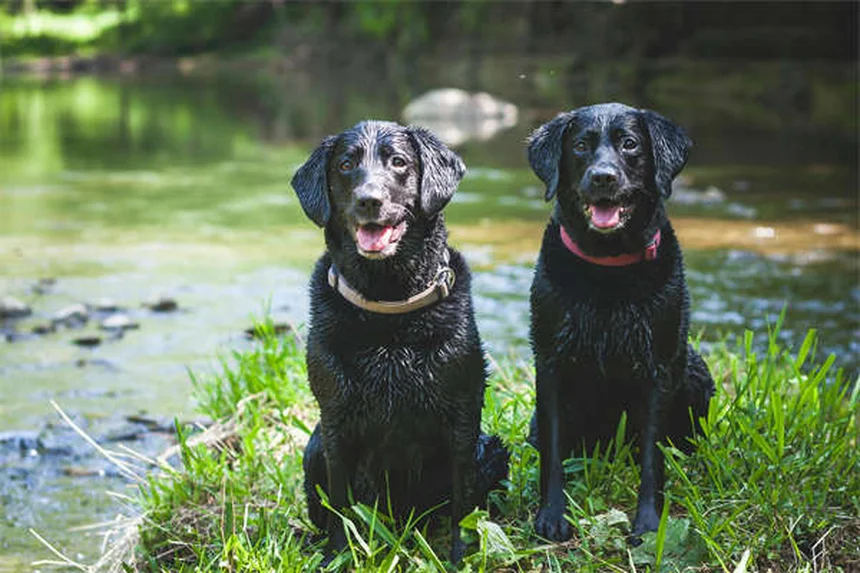
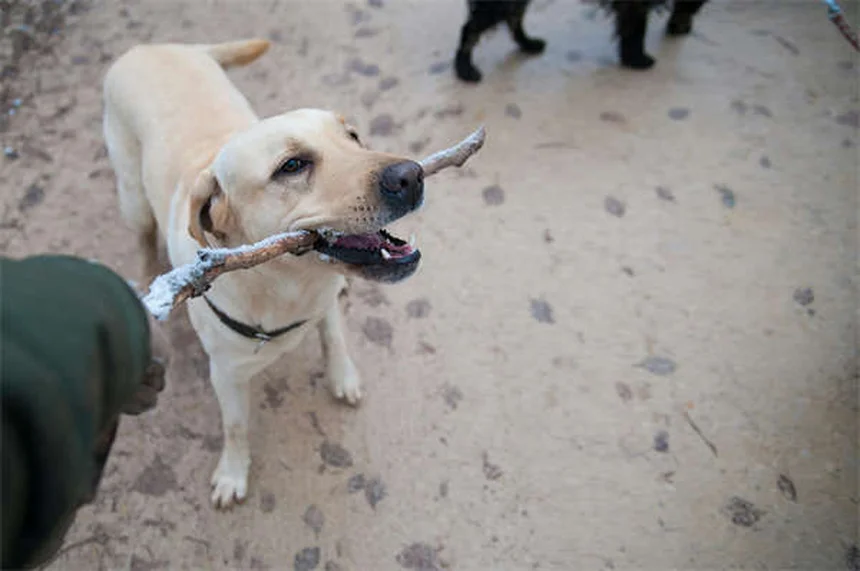
My neighbor's Labrador once retrieved 12 ducks in a single morning - now that's what I call a productive hunting partner! These dogs combine intelligence, obedience, and water-loving qualities that make them ideal for waterfowl hunting.
 Photos provided by pixabay
The Hound Group Heroes
Ever wonder why hounds make such incredible trackers? It's all in their remarkable senses. Sight hounds like the Greyhound can spot movement from incredible distances, while scent hounds like the Bloodhound could probably find a needle in a haystack - if it had a scent!
I'll never forget the time my cousin's Beagle tracked a rabbit through three backyards, under two fences, and straight to its burrow. That little nose knew exactly where it was going, even when we humans were completely lost!
Top 20 Hunting Breeds You Should Know
The Retrievers: Waterfowl Specialists
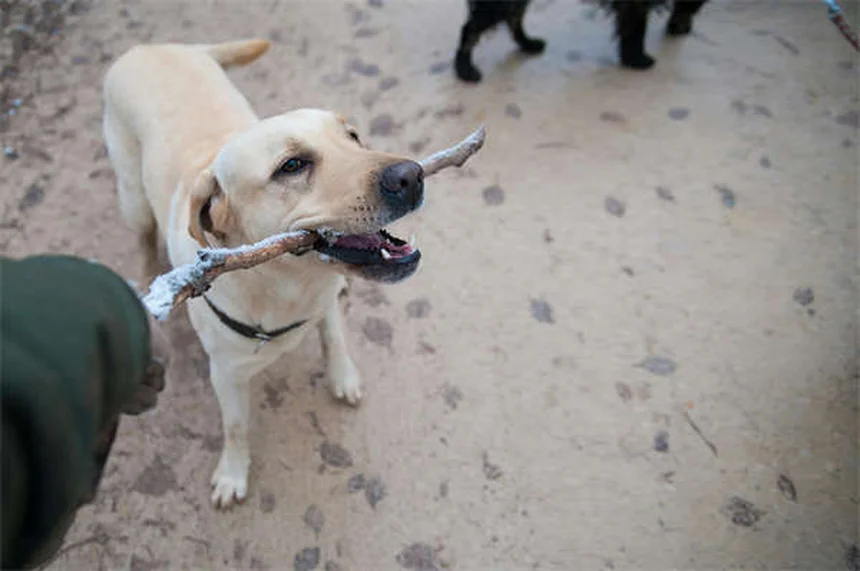
Let's start with the Labrador Retriever, America's favorite dog for good reason. These swimming machines have webbed feet and waterproof coats that make them perfect for duck hunting. Their "soft mouth" technique means they can carry an egg without breaking it - imagine what they can do with your prize bird!
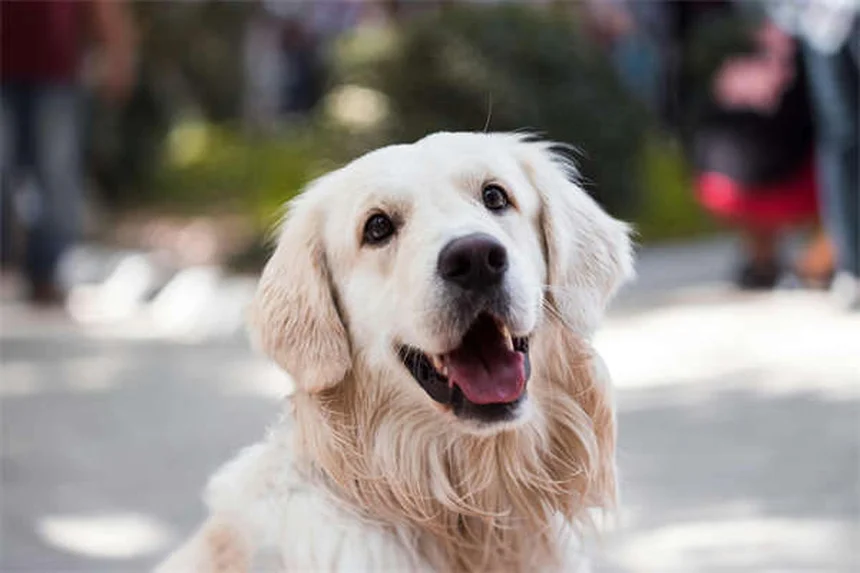
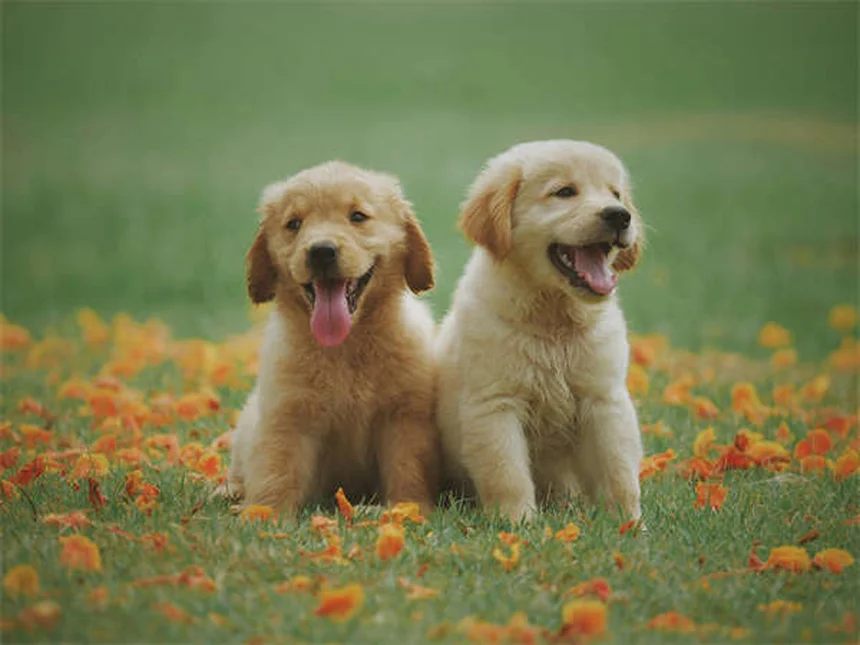
Then there's the Golden Retriever, the happy-go-lucky hunter. Don't let their family dog reputation fool you - these golden athletes have incredible stamina and a natural love for retrieving. Just last season, I watched a Golden work for hours without losing enthusiasm.
The Pointers: Precision Hunters
Have you ever seen a Pointer in action? When they lock onto scent, their entire body becomes an arrow pointing straight to the game. The German Shorthaired Pointer might be the most versatile of all - equally comfortable pointing, retrieving, and even tracking larger game.
The English Setter takes a different approach - they actually lie down when they find birds. This "setting" behavior gives hunters perfect positioning for the shot. Their elegant appearance hides a tough-as-nails hunting spirit that can handle rough terrain with ease.
Specialty Hunting Dogs
 Photos provided by pixabay
The Hound Group Heroes
If you hunt in freezing conditions, meet the Chesapeake Bay Retriever. Their oily, dense coat repels water like a duck's feathers, and they've been known to break through ice to retrieve game. These tough cookies once saved a hunter's season by retrieving 23 ducks in near-freezing temperatures!
For those who prefer smaller game, the Boykin Spaniel is a compact powerhouse. Developed in South Carolina's swamps, these little brown dogs can work all day in heat that would exhaust larger breeds. Their webbed feet make them excellent swimmers despite their small size.
The Scent Specialists
Why do Bloodhounds make such incredible trackers? Those droopy ears and wrinkled faces actually help trap scent particles! A Bloodhound's nose contains about 230 million scent receptors - compared to our measly 5 million. That's like comparing a telescope to a pair of reading glasses!
The Black and Tan Coonhound brings musical tracking to the hunt. Their deep, baying voice lets you follow their progress even when they're out of sight. I once heard a Coonhound's voice carry over a mile through dense woods - nature's perfect tracking device.
Training and Safety Essentials
Preparing Your Hunting Partner
Before you hit the field, remember: safety comes first for both you and your dog. Start with basic obedience - a dog that won't come when called can get into serious trouble. Gradually introduce gunfire sounds, beginning at low volumes far away and slowly decreasing the distance.
Always use blaze orange vests - I've seen too many close calls with hunters mistaking movement in the brush. And please, microchip your dog and use sturdy ID tags. Last fall, a microchip reunited a lost hunting dog with its owner after three weeks in the wilderness!
 Photos provided by pixabay
The Hound Group Heroes
Your dog's first aid kit should include:
- Self-adhering bandages (no sticky mess)
- Antiseptic wipes
- Tweezers for removing thorns
- Emergency blanket
- Canine pain relievers (human meds can be toxic)
I learned the hard way that carrying extra water is crucial - dogs can dehydrate faster than we realize. Now I always pack at least two liters per dog, plus a collapsible bowl. Remember, a well-prepared hunting dog means more successful and enjoyable outings for everyone!
Choosing Your Ideal Hunting Companion
Matching Breed to Your Hunting Style
Ask yourself: What type of hunting do I enjoy most? Waterfowl hunters can't go wrong with a Labrador or Chesapeake Bay Retriever. Upland bird enthusiasts might prefer the stylish English Setter or versatile German Shorthaired Pointer.
For big game tracking, consider the powerful Plott Hound or determined Black and Tan Coonhound. And if you're after rabbits or smaller prey, the cheerful Beagle makes an excellent partner. Remember, the best hunting dog is the one that matches your specific needs and lifestyle.
Considering Temperament and Care
Some hunting breeds like the Pointer need hours of daily exercise - are you ready for that commitment? Others like the Boykin Spaniel adapt better to suburban life when not hunting. Think about grooming too - that German Wirehaired Pointer's beard might look cool, but it needs regular brushing!
My advice? Meet several breeds before deciding. I thought I wanted a Bloodhound until I spent a day with one - amazing nose, but that drool wasn't for me! Finding the right match makes all the difference in creating a successful hunting partnership that lasts for years.
Beyond the Basics: Advanced Hunting Dog Skills
The Art of Silent Communication
You know what separates good hunting dogs from great ones? Telepathic-level teamwork. After years working with my German Shorthaired Pointer, we've developed this uncanny silent communication. A slight head tilt from me, an ear twitch from her - suddenly we're moving in perfect sync without a word spoken.
How do you build this connection? It starts with spending quality time together outside hunting season. We play scent games in the backyard, practice hand signals during walks, and I make sure to learn her body language too. Last fall, she alerted me to a buck I never would've spotted - just by freezing and flicking her eyes toward the brush.
Specialized Training Techniques
Ever seen a dog retrieve multiple ducks in the exact order they were shot? That's advanced marking training at work. We start with simple single retrieves, then gradually build up to complex scenarios with multiple falls and diversions.
Here's a fun drill we do: I'll throw three dummies in different directions while blowing specific whistle commands for each. My Lab has learned that one short blast means "go left," two means "go right," and a long tone means "straight ahead." It's like watching a furry GPS in action!
Hunting Dog Nutrition Secrets
Performance Fuel for Canine Athletes
Why do hunting dogs need different food than your average house pet? Imagine running a marathon while solving complex scent puzzles - that's your hunting dog's average workday! We feed high-protein, high-fat diets during season to maintain energy levels.
| Activity Level | Calories Needed (per 50lbs) | Protein % |
|---|---|---|
| Off-season | 1,200-1,400 | 22-24% |
| Moderate Hunting | 1,600-1,800 | 26-28% |
| Intense Hunting | 2,000-2,400 | 30%+ |
I always pack high-value treats in my vest too. When my dog makes an exceptional retrieve in tough conditions, she gets a special salmon jerky reward. Positive reinforcement works wonders - last season she swam through icy water for a duck because she knew that "jackpot" treat was coming!
Hydration Strategies in the Field
Did you know a dehydrated hunting dog can lose up to 50% of its scenting ability? We carry a collapsible water bowl and electrolyte supplements on long hunts. Here's a pro tip: teach your dog to drink from your cupped hands - it's saved us countless times when we forgot the bowl.
Watch for subtle signs of fatigue - if your dog's tongue starts curling at the edges or their gait changes, it's time for a break. I learned this the hard way when my eager young Lab nearly collapsed from heat exhaustion. Now we take regular shade breaks with cooling vests in warm weather.
Technology Meets Tradition
Modern Gear for Hunting Dogs
GPS collars have revolutionized how we hunt with dogs. The latest models track location, direction, and even alert if your dog goes on point! My Garmin Alpha has saved countless hours searching thick cover - I can see exactly where my dog is working birds 300 yards away.
But don't forget low-tech solutions too. A simple orange vest with reflective trim makes your dog visible in low light. We've had great success with neoprene booties too - protects paws from ice and sharp vegetation while maintaining traction. Just introduce gear gradually so your dog stays comfortable.
Preserving Hunting Dog Heritage
Why are traditional hunting methods still important in our tech-driven world? Because no gadget can replace centuries of selective breeding for instinct and ability. I make sure to balance modern tools with old-school training - we still practice hand signals without electronics at least once a week.
Local hunting dog clubs keep these traditions alive through field trials and training days. The camaraderie is amazing - last month, three different handlers helped me troubleshoot my young dog's reluctance to enter thick cover. That's knowledge you won't find in any manual!
Off-Season Maintenance
Keeping Skills Sharp Year-Round
What do hunting dogs do when the season ends? We keep their noses and bodies active with fun alternatives. Scent work classes are fantastic - hiding treats or toys around the house or yard maintains those tracking skills. My dogs actually get excited when they see me pull out the scent kits!
Swimming is another great off-season activity that builds endurance without joint stress. We visit local lakes weekly, playing retrieve games with bumpers. It's hilarious watching my Lab's "work mode" switch on the second those training dummies come out - ears perk up, tail goes stiff, total laser focus.
Health Checkups and Preventative Care
Annual vet visits are crucial, but hunting dogs need extra attention. We do thorough paw inspections after each outing and monthly joint supplements for older dogs. Did you know many hunting breeds are prone to ear infections? Weekly cleanings with vet-approved solution prevent painful issues.
Dental care often gets overlooked too. I brush my dogs' teeth several times a week with poultry-flavored toothpaste (yes, they actually like it!). A healthy mouth means better scenting ability and overall wellbeing. Your hunting partner gives you their all - returning that care keeps them performing season after season.
E.g. :What are the best hunting dog breeds that double as good family pets?
FAQs
Q: What's the best all-around hunting dog breed?
A: If we had to pick one best all-around hunting dog, the Labrador Retriever takes the crown. Here's why: Labs excel at waterfowl retrieval, adapt to various terrains, and have that famous "soft mouth" that won't damage your game. Their friendly temperament makes training easier than with more independent breeds. I've seen Labs work freezing cold marshes in the morning and transition to family pets by dinner time - that versatility is hard to beat!
Q: How do I choose between a pointer and a retriever?
A: Choosing between pointers and retrievers comes down to your hunting style. Pointers like the German Shorthaired Pointer excel at locating game and holding position until you're ready. Retrievers like the Golden Retriever specialize in fetching downed birds, especially in water. If you mainly hunt waterfowl, go with a retriever. For upland birds over large areas, a pointer's your best bet. Many hunters eventually get one of each - they make an unbeatable team!
Q: Are hound dogs good for hunting?
A: Absolutely! Hound dogs bring unique skills to hunting that other breeds can't match. Scent hounds like Bloodhounds can follow trails that are days old, while sight hounds like Greyhounds spot movement at incredible distances. Coonhounds specialize in treeing game, making them perfect for raccoon hunting. Just remember: hounds tend to be more independent than retrievers, so they require different training approaches. Their incredible noses often lead them on adventures, so secure fencing is a must!
Q: What's the easiest hunting dog to train?
A: For first-time hunting dog owners, the Golden Retriever is typically the easiest to train. These eager-to-please dogs combine intelligence with a strong desire to work with their humans. Their natural retrieving instinct means less training on the fundamentals. I've trained dozens of hunting dogs, and Goldens consistently pick up commands faster than other breeds. Just keep training sessions fun and rewarding - their sunny dispositions respond best to positive reinforcement!
Q: Can small dogs be good hunting companions?
A: Don't let size fool you! Compact breeds like the Boykin Spaniel (South Carolina's state dog) and Beagle make excellent hunting companions. These smaller dogs access tight cover that big breeds can't penetrate, and their lower body mass means they tire less quickly in hot weather. The Beagle's nose rivals much larger hounds, while the Boykin's webbed feet make it a surprisingly strong swimmer. For rabbit hunting or working in dense brush, small dogs often outperform their larger cousins!