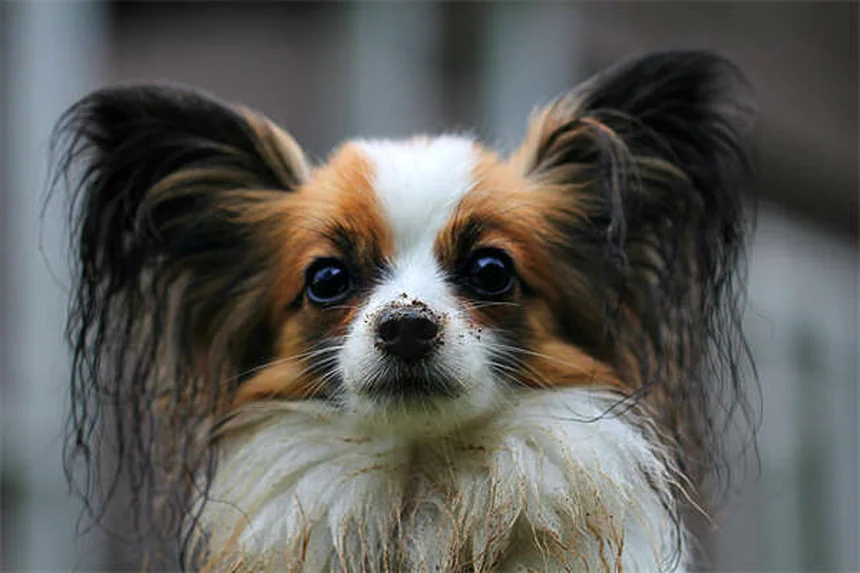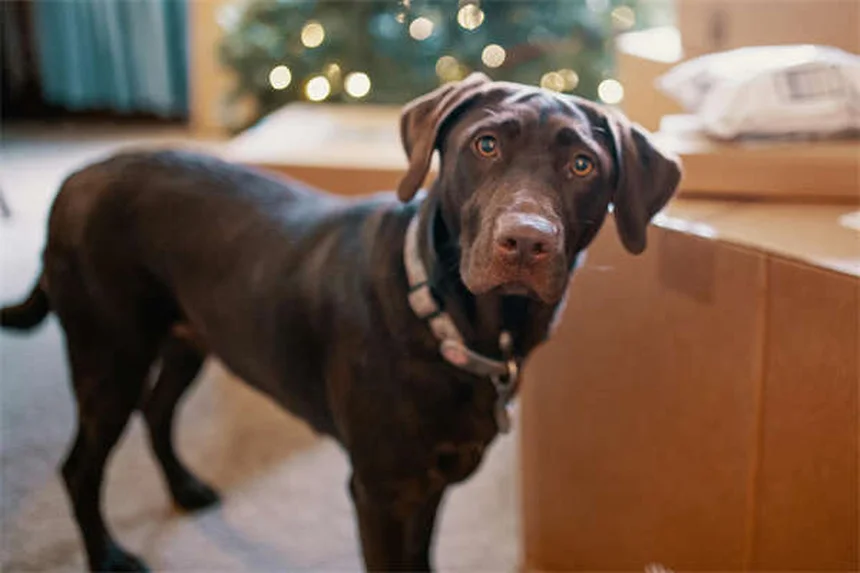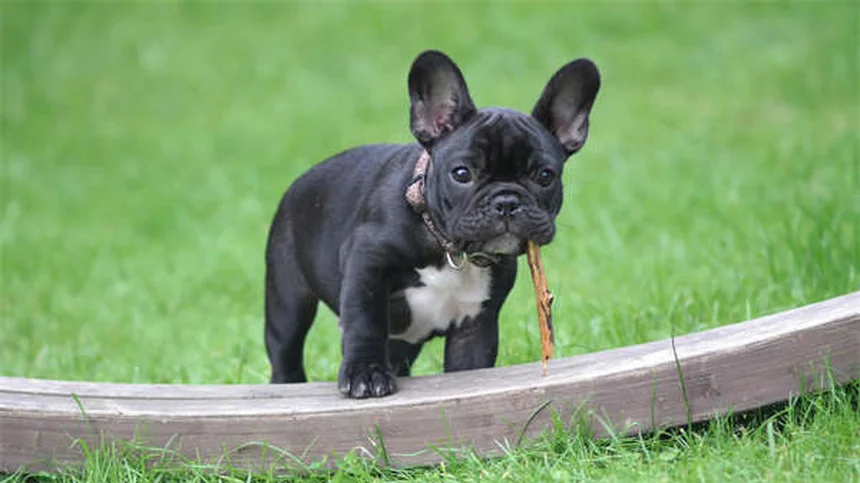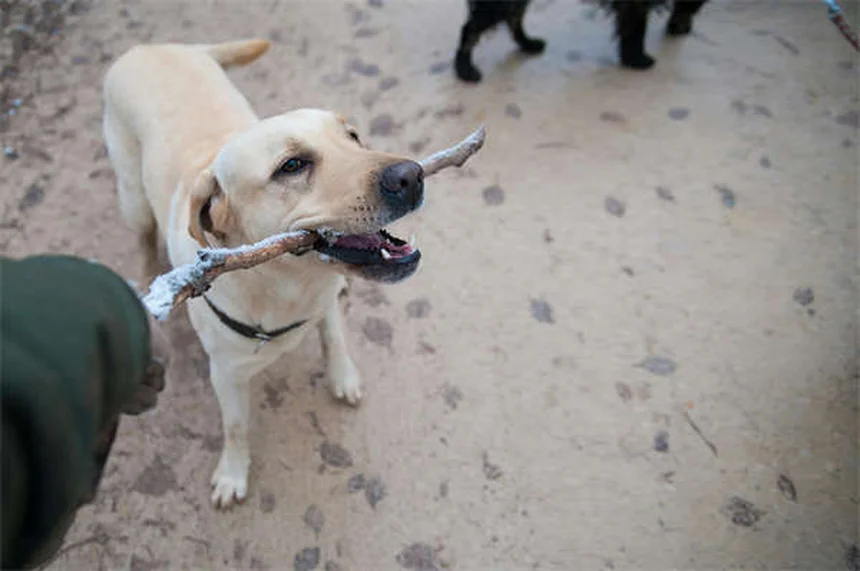

Is letting your dog play in the backyard enough exercise? The answer is: No, your dog needs regular walks too! While backyard time is convenient and provides physical activity, walking your dog offers crucial mental stimulation and socialization that fenced areas simply can't match. We've consulted top veterinarians and dog behaviorists to explain why both activities are essential for your pup's wellbeing.You might think your dog is happy just running around your yard, but here's what you're missing: dogs are natural explorers who thrive on new experiences. According to Dr. Pam Reid, certified animal behaviorist, Most dogs enjoy seeing different things, smelling new smells, and hearing unfamiliar sounds. That's why we recommend balancing backyard play with daily walks - it's the perfect combo for a happy, well-adjusted dog.
E.g. :DHPP Vaccine for Dogs: 5-in-1 Protection Explained
- 1、The Great Debate: Backyard vs. Walking Adventures
- 2、The Magic of Daily Walks
- 3、Finding Your Perfect Routine
- 4、Walk Like a Pro
- 5、Creating a Balanced Lifestyle
- 6、Special Considerations
- 7、Final Tips for Happy Walks
- 8、The Science Behind Your Dog's Sniffing Superpowers
- 9、Beyond the Leash: Alternative Walking Options
- 10、The Emotional Connection of Shared Walks
- 11、Seasonal Walking Considerations
- 12、The Social Side of Dog Walking
- 13、FAQs
The Great Debate: Backyard vs. Walking Adventures
Why Your Dog Needs More Than Just a Backyard
Let's be honest - we all love the convenience of letting Fido out in the backyard. It's quick, easy, and gives them fresh air. But here's the thing - dogs are explorers at heart. Dr. Pam Reid, an animal behavior expert, tells us dogs crave variety: new smells, different textures under their paws, and exciting sounds.
Think about it this way - would you be happy spending your whole life in your backyard? Probably not! Dogs feel the same. When they only get backyard time, they often develop behavioral issues like excessive barking or digging. I've seen it happen with my neighbor's golden retriever - poor Max started chewing their fence after months of just backyard time.
The Hidden Dangers of Backyard-Only Life
Here's a surprising fact: dogs who only experience their backyard can become less confident around new people and animals. Dr. Ari Zabell explains this happens because they miss out on regular socialization opportunities.
But wait - doesn't a backyard provide exercise? Absolutely! The table below shows how backyard play compares to walks:
| Activity | Physical Exercise | Mental Stimulation | Socialization |
|---|---|---|---|
| Backyard Play | Excellent | Limited | None |
| Walks | Good | Excellent | Excellent |
The Magic of Daily Walks
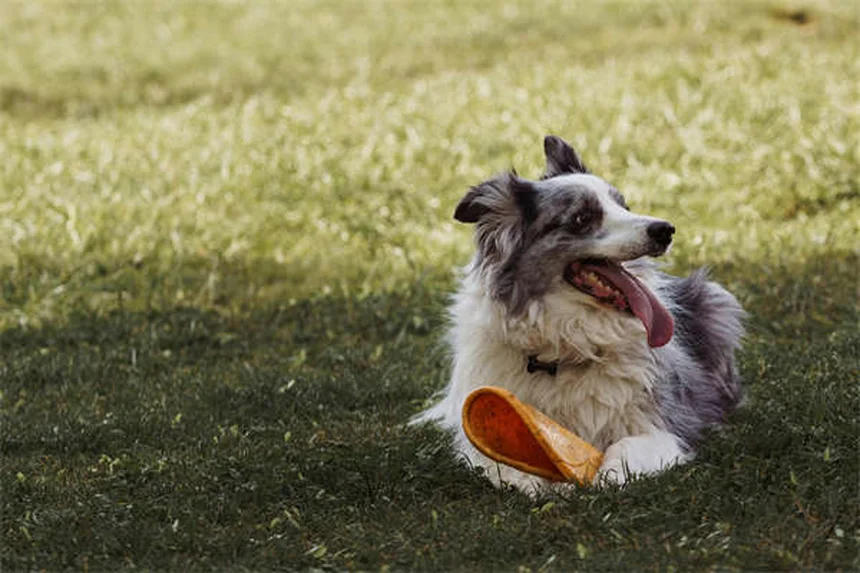 Photos provided by pixabay
More Than Just Exercise
Here's a question you might not have considered: Why do dogs get so excited about walks? It's not just about burning energy. Walks provide mental enrichment that backyards simply can't match. Every fire hydrant and tree becomes a fascinating storybook for your dog's nose!
I remember when I started taking my beagle on "sniff walks" - letting her stop and smell whatever she wanted. The change in her behavior was amazing! She became more relaxed at home and stopped her obsessive window barking.
Building Social Skills One Walk at a Time
Walking does something incredible for your dog's social development. They learn to calmly encounter other dogs, kids on bikes, noisy trucks - all the things that might scare a backyard-only dog. My friend's rescue dog went from terrified of everything to confident in just three months of regular walks!
And here's a bonus - walks strengthen your bond with your dog. You become their trusted guide through the big, exciting world. Isn't that what every dog owner wants?
Finding Your Perfect Routine
Tailoring Exercise to Your Dog's Needs
Every dog is different. My neighbor's lazy bulldog? Happy with two short walks a day. My sister's border collie? Needs at least three walks plus backyard playtime. Dr. Zabell suggests considering these factors:
- Your dog's age and energy level
- Your neighborhood environment
- Your daily schedule
- Any health concerns
Here's a pro tip: Morning walks work best for emptying your dog's bladder and bowels. The movement plus all those tempting smells get things moving, if you know what I mean!
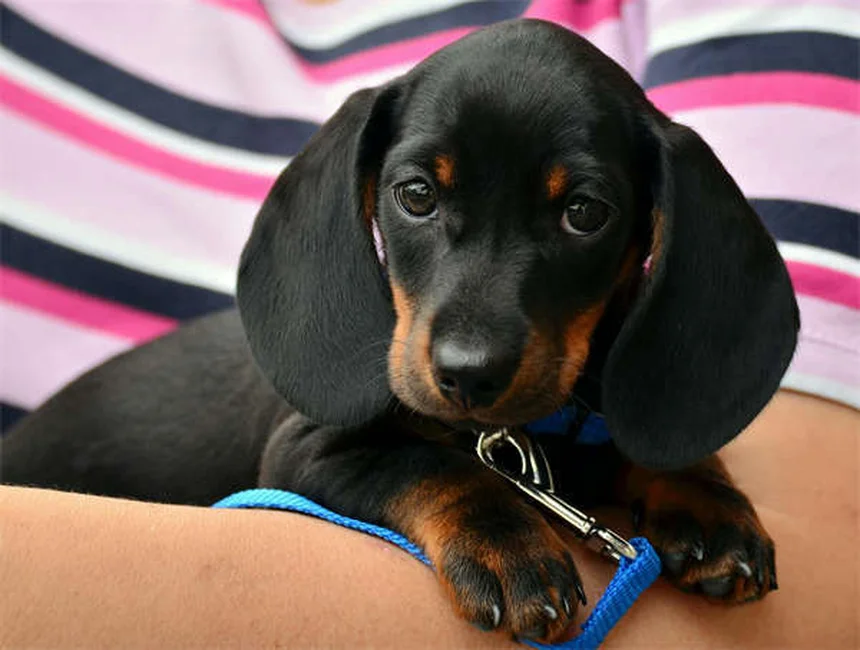 Photos provided by pixabay
More Than Just Exercise
How long should walks be? Most dogs need at least 20 minutes twice daily, but active breeds might need more. And here's something I learned the hard way - the right gear makes all the difference!
For pullers, a front-clip harness works wonders. It gently turns them back toward you when they pull. My labrador used to drag me down the street until we switched harnesses. Now? Pleasant walks every time!
Walk Like a Pro
Gear Up for Success
Choosing the right equipment is crucial. Ill-fitting collars can hurt your dog's neck, while the right harness can make walks enjoyable for both of you. I always recommend:
- Reflective gear for evening walks
- Comfortable, breathable materials
- Proper fit (you should fit two fingers under straps)
Remember that viral video of the dog who slipped his collar? That could be your dog if you don't check the fit regularly!
Training for Better Walks
Here's another question: Why do some dogs walk nicely while others pull like sled dogs? It's all about training and consistency. Start with short sessions in quiet areas, rewarding your dog for staying by your side.
My favorite trick? Carry small treats and reward your dog every time they check in with you during the walk. This builds focus and makes walks more engaging for them.
Creating a Balanced Lifestyle
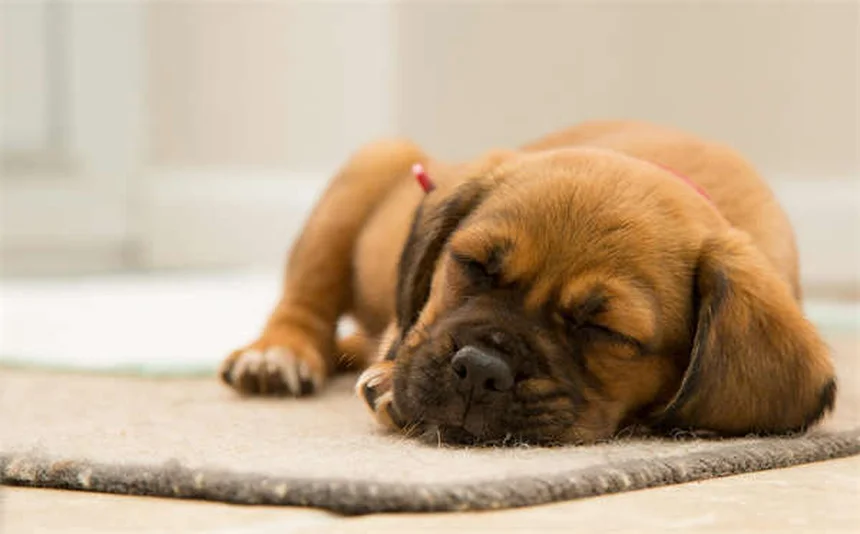 Photos provided by pixabay
More Than Just Exercise
The backyard still has its place! It's perfect for:
- Quick potty breaks when you're in a rush
- High-energy play sessions
- Hot days when pavement might burn paws
Just last summer, my dog loved playing fetch in the yard during the hottest part of the day. We'd save our walks for cooler morning and evening hours.
Combining the Best of Both Worlds
The ideal routine mixes backyard freedom with walk adventures. Try starting with a short walk to empty your dog, then backyard playtime, followed by a longer evening walk. This combination keeps both body and mind engaged.
One of my clients saw dramatic improvements in their hyperactive puppy after implementing this schedule. The puppy became calmer and stopped their destructive chewing habits!
Special Considerations
For Senior Dogs
Older dogs might need shorter, more frequent walks. My 12-year-old terrier does best with three 10-minute walks instead of one long one. Watch for signs of fatigue like lagging behind or excessive panting.
For High-Energy Breeds
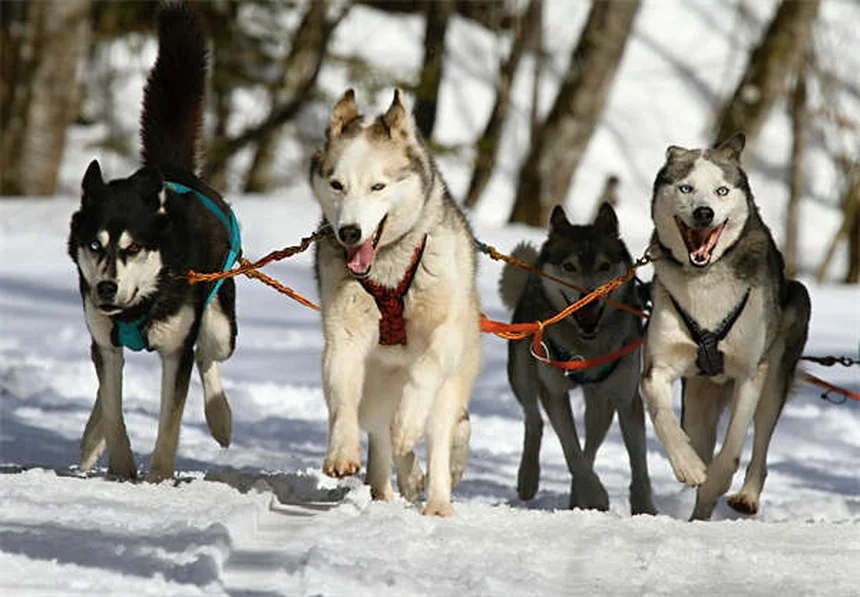
Active breeds like huskies or shepherds often need more than walks can provide. Consider adding:
- Jogging or biking together
- Dog sports like agility
- Interactive backyard games
A friend with a working-line German shepherd combines morning runs with afternoon training sessions. The dog is perfectly content instead of destructive!
Final Tips for Happy Walks
Making Walks Enjoyable for Both of You
The secret to great walks? Make them fun for you too! Listen to podcasts, call a friend, or use the time to clear your head. I've solved some of my best work problems during dog walks!
When to Seek Help
If your dog shows extreme fear or aggression on walks, don't hesitate to consult a professional. Many behavior issues can be resolved with proper guidance. I've seen reactive dogs transform with the right training approach.
Remember, every step you take together strengthens your bond and improves your dog's quality of life. Now grab that leash and start exploring!
The Science Behind Your Dog's Sniffing Superpowers
Why Dogs Need to Stop and Smell Everything
You know how your dog insists on sniffing every single blade of grass? That's not just annoying behavior - it's actually crucial for their mental health! A dog's nose contains up to 300 million scent receptors, compared to our measly 6 million. When we rush them past interesting smells, it's like someone ripping a book out of your hands mid-sentence.
I learned this the hard way with my beagle, Sherlock. When I stopped hurrying him along and let him sniff to his heart's content, his anxiety decreased dramatically. Now I plan extra time for our "sniffari" walks where he gets to be the tour guide!
The Surprising Benefits of Scent Work
Here's something most owners don't realize: letting your dog sniff during walks can tire them out more than physical exercise alone. Think about how exhausted you feel after a day of intense studying - that's what scent work does for your dog's brain!
Try this fun experiment: take your dog on two different 30-minute walks. On the first, keep them moving at a brisk pace the whole time. On the second, let them stop and sniff whenever they want. I bet you'll notice they're much more relaxed after the sniff-heavy walk!
Beyond the Leash: Alternative Walking Options
The Case for Long-Line Adventures
Ever feel guilty when you can't take your dog to an off-leash area? A 15-30 foot training leash can give your dog the freedom to explore while keeping them safe. I use a bright orange one with my rescue dog, and it's been a game-changer!
Just last week, we discovered a whole new world at our local park. While other dogs strained at short leashes, mine could investigate rabbit trails, splash in shallow water, and generally act like a real dog. The joy on her face was priceless!
Urban Walking Challenges and Solutions
City dwellers face unique walking difficulties - crowded sidewalks, tempting food scraps, and scary noises everywhere. Here's what works for my Manhattan clients:
| Challenge | Solution | Bonus Tip |
|---|---|---|
| Loud Traffic | Walk during off-peak hours | Use happy talk to keep your dog relaxed |
| Food on Sidewalks | "Leave it" training | Carry high-value treats as alternatives |
| Limited Green Space | Seek out pocket parks | Walk the same route to build confidence |
My favorite urban walking hack? Early Sunday morning walks when the city feels peaceful and magical. The quiet streets become your personal dog park!
How Walks Strengthen Your Bond
Did you know that synchronized walking actually releases bonding hormones in both you and your dog? That's why military handlers spend so much time walking with their K9 partners. It builds trust at a deep, biological level.
I've noticed this with my own dogs over the years. The ones I walked regularly always seemed more tuned in to my emotions and more responsive to commands. It's like we developed our own secret language during those daily strolls!
Turning Walks Into Training Opportunities
Here's a question most owners never ask: Why waste walk time when you could be training? Every walk presents dozens of chances to reinforce good behavior. I like to practice "auto sits" at every curb and reward calm greetings when we pass other dogs.
My neighbor's rowdy puppy transformed in just two weeks using this approach. Now he automatically sits when they stop walking, waits patiently at crosswalks, and ignores squirrels unless given permission to chase. Talk about walk goals!
Seasonal Walking Considerations
Summer Survival Strategies
Hot pavement isn't just uncomfortable - it can seriously burn your dog's paws! The 7-second test is my go-to rule: if you can't hold your hand on the pavement for 7 seconds, it's too hot for paws. Here's what I do when temperatures soar:
- Walk at dawn and dusk when it's cooler
- Stick to grassy routes when possible
- Carry a collapsible water bowl
- Consider protective booties for sensitive pups
Last summer, I discovered the joy of "splash walks" along shallow streams. My golden retriever gets to cool off while still getting his exercise - win/win!
Winter Walking Wonders
Cold weather brings its own challenges, but also unique joys. Snow transforms familiar routes into exciting new adventures for dogs. Just watch how they react to that first snowfall - it's pure canine joy!
For winter walks, I always recommend:
- Shorter, more frequent outings
- Paw protection with wax or booties
- High-visibility gear for dark evenings
- Post-walk paw checks for ice buildup
One of my favorite winter memories? Watching my husky mix discover snow for the first time. She bounced through it like a puppy, tossing flakes in the air with her nose. Moments like that make every chilly walk worthwhile!
The Social Side of Dog Walking
Making Canine (and Human) Friends
Regular walks can expand both your social circles! I've met some of my closest friends through our dogs' walking routines. There's something about shared dog experiences that breaks down social barriers.
Try varying your walking routes to encounter different dogs and owners. You might discover a new walking buddy for you and your pup. My Tuesday walking group started with just two of us and now includes seven regular members!
Reading Canine Body Language on Walks
Here's something crucial most owners miss: Why does your dog react differently to various passing dogs? Understanding canine body language can prevent stressful encounters. Look for loose, wagging bodies (good) versus stiff postures with fixed stares (bad).
I keep a mental checklist when approaching another dog: Are their ears relaxed? Is their tail wagging loosely? How's their overall energy? This awareness has helped me avoid countless potential conflicts during walks!
E.g. :The Benefits of Walking Your Dog | VCA Animal Hospitals
FAQs
Q: How often should I walk my dog if they have backyard access?
A: Even with backyard access, we recommend walking your dog at least once daily for 15-20 minutes. High-energy breeds might need two walks per day. Remember, walks aren't just about exercise - they provide mental stimulation through new smells, sights, and sounds. Our veterinary experts suggest that dogs who only get backyard time often develop behavioral issues like excessive barking or digging. If you're short on time, try combining a shorter walk with backyard playtime. The key is consistency - your dog will come to expect and look forward to these daily adventures!
Q: Can backyard play replace walking my dog?
A: Backyard play shouldn't completely replace walking your dog, and here's why: While your yard offers great physical exercise, it lacks the mental enrichment and socialization opportunities of walks. We've seen many "backyard-only" dogs become anxious or territorial when encountering new situations. Walking exposes your dog to different environments, helping them become confident, well-socialized pets. That said, the backyard is perfect for quick potty breaks or high-energy play sessions when you're pressed for time.
Q: What are the main benefits of walking my dog?
A: Walking your dog provides three key benefits that backyard time can't match: First, it offers mental stimulation through new environments. Second, it helps with socialization as your dog encounters different people, animals, and situations. Third, it strengthens your bond through shared experiences. Our behavior specialists note that dogs who get regular walks tend to be calmer at home and less likely to develop problem behaviors. Plus, walks are great exercise for you too - it's a win-win!
Q: My dog pulls on the leash - how can I make walks more enjoyable?
A: We totally get this common frustration! Try using a front-clip harness - it gently turns your dog back toward you when they pull. Start with short walks in quiet areas, rewarding your dog for staying by your side. Carry small treats to reward good behavior, and be patient - it takes time to build better walking habits. Many of our clients have seen dramatic improvements within a few weeks of consistent training. Remember, pulling often means your dog is excited, so channel that energy positively!
Q: How can I balance backyard time and walks for my senior dog?
A: For older dogs, we recommend shorter, more frequent walks instead of long treks. Three 10-minute walks might work better than one 30-minute session. Use your backyard for gentle play and potty breaks, especially in extreme weather. Watch for signs of fatigue like lagging behind or heavy panting. Our veterinary team suggests consulting your vet to create a customized exercise plan that considers any health conditions. The key is maintaining mobility while keeping your senior dog comfortable.