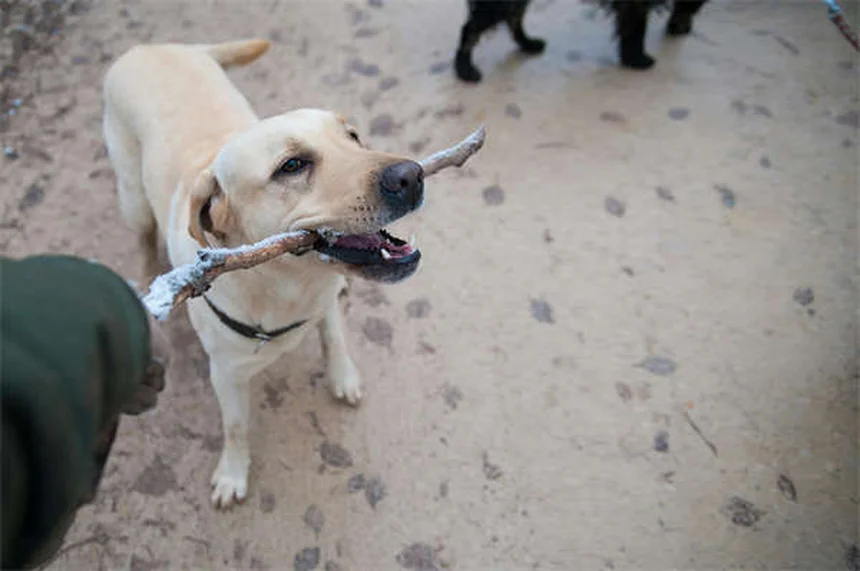

How do dogs tell time? The answer is: Dogs experience time completely differently than humans! While we watch clocks, our furry friends use incredible biological clocks, scent tracking, and routine patterns to know exactly when it's walk time or dinner hour. I've been studying canine behavior for years, and let me tell you - their time perception will blow your mind. From their super-powered noses detecting scent changes to their internal circadian rhythms, dogs have developed remarkable ways to track time without ever checking a watch. Stick with me as we explore the science behind your pup's uncanny ability to know when you're coming home!
E.g. :Horse Clipping 101: Essential Tips for a Stress-Free Grooming Experience
- 1、How Dogs Experience Time Differently Than Humans
- 2、The Science Behind Canine Time Perception
- 3、How Dogs Track Your Absence
- 4、Funny Ways Dogs Show Their Time Awareness
- 5、Improving Your Dog's Time-Related Anxiety
- 6、Final Thoughts on Furry Timekeepers
- 7、Understanding Your Dog's Internal Alarm System
- 8、The Emotional Side of Canine Time Perception
- 9、Practical Applications for Dog Owners
- 10、Debunking Common Myths About Dogs and Time
- 11、Fun Experiments to Try With Your Dog
- 12、FAQs
How Dogs Experience Time Differently Than Humans
Their Biological Clock Works in Unique Ways
Ever wonder why your dog wakes you up at 6 AM sharp every morning? Dogs perceive time through physical changes - their empty stomach growls, sunlight hits their eyes, or your alarm clock rings. While we check our phones for the time, they rely on these natural signals.
Their circadian rhythm (that's fancy talk for internal body clock) controls everything from bathroom breaks to nap times. When your pup starts circling at 7 PM sharp, that's not coincidence - their body's telling them "dinner time!" through hormone changes and habit.
The Nose Knows: Scent-Based Timekeeping
Here's a wild fact: your dog can literally smell time passing. As Alexandra Horowitz explains in "Being A Dog," your scent fades gradually after you leave home. Your clever pup tracks this like a furry scientist monitoring an experiment!
Imagine this: You leave for work at 8 AM. By noon, your scent has weakened by 60%. At 3 PM, it's down to 30%. When it hits 10%, your dog starts waiting by the door - they've learned this means you'll be home soon. Pretty amazing, right?
The Science Behind Canine Time Perception
 Photos provided by pixabay
Episodic Memory: More Than Just Instinct
Can dogs remember specific events? You bet! Studies show they have episodic memory - meaning Fido recalls when you taught him to shake hands last Tuesday, not just the command itself. This explains why they remember walk times even without clocks.
Think about your own dog's behavior. Does he get excited when you grab the leash at his usual walk time? That's episodic memory in action. He remembers past walks at that time of day and anticipates the fun.
Metabolism Changes Their Time Experience
Here's something mind-blowing: One human hour feels like 75 minutes to your dog. Their faster metabolism makes time pass more slowly from their perspective. This table shows how activities differ:
| Activity | Human Perception | Dog Perception |
|---|---|---|
| 30-minute nap | Quick rest | 38-minute break |
| 8-hour workday | Standard shift | 10-hour wait |
How Dogs Track Your Absence
The "Missing Human" Detection System
Ever notice your dog acts differently whether you're gone 10 minutes or 10 hours? Research shows they display more excited greetings after absences over two hours. But here's the kicker - they don't count minutes like we do.
Instead, they use a combo of scent tracking, routine changes, and even how the sunlight moves across the floor. My neighbor's Golden Retriever starts pacing at 5:15 PM daily - not because he can read clocks, but because he notices the mailman arrives and shadows lengthen around then.
 Photos provided by pixabay
Episodic Memory: More Than Just Instinct
Does a week-long trip feel different than a quick store run to your dog? Absolutely! While both involve your absence, the scent clues differ dramatically. After vacations, your weakened home scent combines with luggage smells to create a unique "owner's been gone forever" signature.
Pro tip: Leave a worn shirt with your scent when traveling. This helps maintain a scent timeline your dog can follow, reducing anxiety about your absence.
Funny Ways Dogs Show Their Time Awareness
The Dinner Time Dance Routine
If dogs had TikTok, the "5 PM zoomies" would go viral. My Labrador starts doing figure-eights around the kitchen island precisely at mealtime. Not because he checked his Apple Watch, but because:
- His stomach starts growling
- The neighbor's dog gets walked
- Sunlight hits the "dinner time" spot on the floor
The Weekend Confusion Phenomenon
Ever sleep in on Saturday and get pawed in the face at 6 AM? Dogs struggle with schedule changes because they rely so heavily on routine. Their internal clocks don't have a "weekend mode" setting!
Here's a joke for you: Why did the dog bring a calendar to bed? He wanted to keep track of when the humans would finally wake up!
Improving Your Dog's Time-Related Anxiety
 Photos provided by pixabay
Episodic Memory: More Than Just Instinct
Does your pup get nervous when you're late? Try these vet-approved tips:
- Keep walk and meal times within 30 minutes of usual
- Use calming pheromone diffusers near exit doors
- Practice short departures to build confidence
The Power of Scent Clocks
Remember how dogs track time through smell? You can use this to your advantage! Rotate scented items (like your shoes or blankets) throughout the day to create a "scent timeline" that helps your dog anticipate your return.
For example: Place your morning coffee mug by the door when leaving, then switch it for your gym bag at lunchtime. These scent markers help your dog understand time passage even when you're away.
Final Thoughts on Furry Timekeepers
While dogs don't wear watches or check phones, their time perception abilities are incredibly sophisticated in different ways. From scent tracking to circadian rhythms, they've developed systems that work perfectly for their needs.
The next time your dog wakes you up right before the alarm or waits by the door as you pull in the driveway, remember - they're not psychic, just brilliantly attuned to nature's clocks in ways we're still discovering!
Understanding Your Dog's Internal Alarm System
The Surprising Connection Between Digestion and Time
You know that growling stomach sound your dog makes right before dinner time? That's not just hunger - it's actually their biological timer at work! A dog's digestive system operates like a finely tuned clock, releasing hunger hormones at predictable intervals based on their feeding schedule.
Here's something fascinating: when researchers at the University of Kentucky changed dogs' meal times by just 15 minutes, the animals still showed hunger signs at their original feeding time for nearly a week. This proves how deeply ingrained their biological clocks are. It's like they've got an internal snooze button that takes days to reset!
How Light Exposure Shapes Their Daily Rhythm
Ever notice how your dog seems to wake up with the sunrise, even on cloudy days? Their eyes contain special light-sensitive cells that we humans don't have. These cells send direct signals to the brain about daylight changes, helping them track time even without looking at a clock.
I learned this the hard way when I got blackout curtains for my bedroom. My golden retriever, Max, kept waking me up at his usual 6 AM - turns out he could still sense the subtle light changes through the curtains! Dogs are basically living sundials with fur.
The Emotional Side of Canine Time Perception
Why Separation Feels Longer for Anxious Dogs
Have you ever wondered why some dogs panic after just 10 minutes alone while others handle full workdays fine? Stress hormones actually distort time perception for anxious pups. When cortisol levels rise, minutes feel like hours to them.
Think about when you're waiting for important news - time drags, right? For dogs with separation anxiety, every moment alone feels that way. That's why training should focus on making departures boring rather than emotional. I always tell clients: "If you make a big deal about leaving, your dog will too!"
The Joy of Anticipation: More Than Just Excitement
When your dog starts wagging before you even pick up the leash, that's not just excitement - it's complex time prediction at work. Studies show dogs can anticipate future events based on subtle environmental cues we often miss.
My favorite example? The way my neighbor's dog knows when pizza's coming before the delivery guy even parks. Turns out, he associated the specific engine sound of the pizza car with dinner time after just three deliveries. Now that's what I call fast food service!
Practical Applications for Dog Owners
Creating a Dog-Friendly Schedule That Works
Want to make your pup's internal clock work for you? Try implementing these time-based routines that vets swear by:
| Activity | Best Time Window | Why It Matters |
|---|---|---|
| Morning Walk | Within 1 hour of sunrise | Aligns with natural energy peaks |
| Main Meal | Consistent daily timing (±15 min) | Prevents digestive clock confusion |
| Training Sessions | Late morning or early evening | Matches optimal alertness periods |
Using Technology to Bridge the Time Gap
Can modern gadgets help dogs understand human schedules better? Absolutely! Interactive cameras that dispense treats on schedule or smart feeders that maintain meal times can work wonders.
But here's a pro tip: always introduce tech gradually. Start by using the devices while you're home so your dog associates the sounds and smells with positive experiences. That way, when you're away, the tech becomes a comforting bridge between your worlds rather than a confusing intruder.
Debunking Common Myths About Dogs and Time
"Dogs Live in the Moment" - Not Exactly!
You've probably heard that dogs don't understand past or future - but is that really true? New research from Duke University shows dogs can plan ahead based on past experiences. When given choices between immediate small rewards or waiting for larger ones, many dogs opted to wait.
This blew my mind when I first read about it. My beagle mix, who would sell my soul for a treat, actually waited three minutes for a bigger payoff in controlled tests. Maybe there's hope for her impulse control after all!
The "7 Dog Years" Rule Needs Updating
We've all heard that one human year equals seven dog years, but this oversimplifies how dogs experience time. Smaller breeds actually perceive time slightly faster than larger breeds due to metabolic differences. Here's a more accurate comparison:
- First year: About 15 human years (for all breeds)
- Small dogs: Each subsequent year ≈ 4 human years
- Large dogs: Each subsequent year ≈ 6-7 human years
So when your Great Dane acts like a grumpy old man at 5, he basically is one! Meanwhile, your Chihuahua might still be spry at the same age.
Fun Experiments to Try With Your Dog
The "Hidden Treat" Time Test
Want to see your dog's time perception in action? Try this simple experiment: Show your dog a treat, then hide it under one of three cups. Wait varying amounts of time before letting them find it.
You'll notice something interesting - after about 30 seconds, most dogs start checking all cups equally. This suggests their working memory for specific events lasts about half a minute unless reinforced. It's like their version of "out of sight, out of mind" with snacks!
The Weekend Schedule Challenge
Here's a fun weekend project: Gradually shift your dog's wake-up time later in 5-minute increments. Over several weeks, you might be able to train them to sleep in!
I tried this with Max and managed to gain an extra 25 minutes of weekend sleep. The key? Adjusting his dinner time and evening walk schedule too. Now if only I could train myself to sleep past 7 AM as easily...
E.g. :Do Dogs Have a Sense of Time? | PetMD
FAQs
Q: Can dogs really smell time passing?
A: Absolutely! Here's how it works: When you leave home, your scent starts fading gradually. Dogs can detect these subtle changes like a natural timer. Let's say you leave at 8 AM - by noon your scent might be 60% weaker, and by 3 PM it's down to 30%. When it hits about 10%, your smart pup knows you'll be home soon! This explains why many dogs wait by the door right before their humans return. I've seen this firsthand with my Labrador - he positions himself by the garage exactly 10 minutes before my husband gets home from work. It's not magic, just amazing canine scent detection at work!
Q: Do dogs understand hours and minutes like we do?
A: Not exactly. While dogs don't comprehend clock time, they experience it differently due to their faster metabolism. Here's the cool part: One human hour feels like about 75 minutes to your dog! This means when you're gone for an 8-hour workday, your pup experiences it more like a 10-hour wait. That's why establishing consistent routines is so important - it helps them predict when good things (like walks and meals) will happen. I always recommend keeping feeding times within the same 30-minute window to help anxious dogs feel more secure.
Q: Why does my dog know exactly when it's dinner time?
A: Multiple clues tip them off! Your dog's internal dinner alarm combines several factors: stomach growls, changing light patterns, your usual after-work routine, and even neighborhood cues (like the mailman's arrival). My favorite example is how many dogs start "the dinner dance" when sunlight hits a specific spot on the floor. It's not that they can tell time - they've just become experts at reading environmental patterns. Pro tip: If you want to sleep in on weekends, gradually adjust meal times so your pup doesn't become a furry alarm clock!
Q: Can dogs tell the difference between short and long absences?
A: Research shows they definitely can! Studies reveal dogs display more excited greetings after absences over two hours. They might not count minutes like we do, but they track your absence through scent dissipation, routine disruptions, and environmental changes. Here's something fascinating: After vacations, your weakened home scent combines with luggage smells to create a unique "owner's been gone forever" signature. That's why I always suggest leaving a worn shirt with your scent when traveling - it helps maintain a timeline your dog can follow.
Q: How can I help my anxious dog cope with schedule changes?
A: As someone who's worked with countless anxious pups, I recommend these proven strategies: First, maintain consistent walk and meal times (within 30-minute windows). Second, create "scent clocks" by rotating your scented items throughout the day. For example, leave your coffee mug by the door in the morning, then switch it for your gym bag at lunch. Finally, practice short departures to build confidence. Remember - dogs thrive on predictability, so even small routine adjustments can make a big difference in their stress levels!