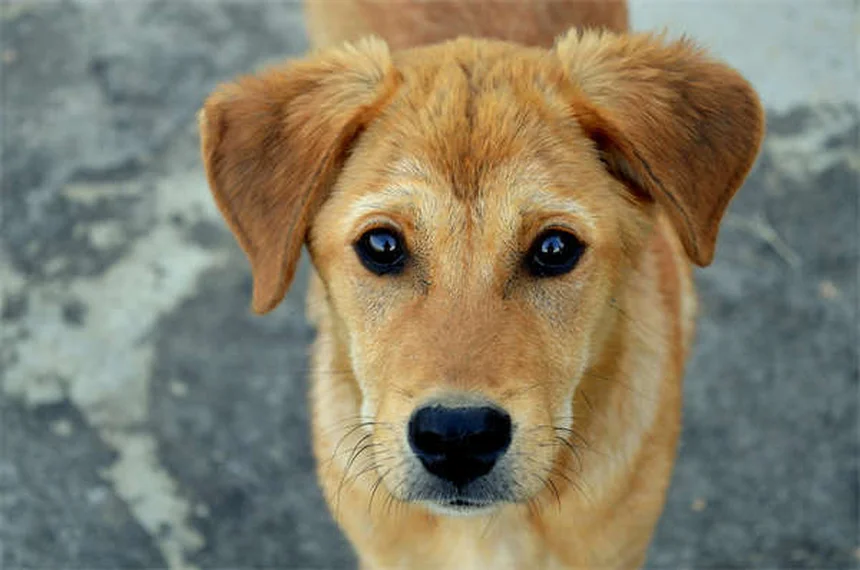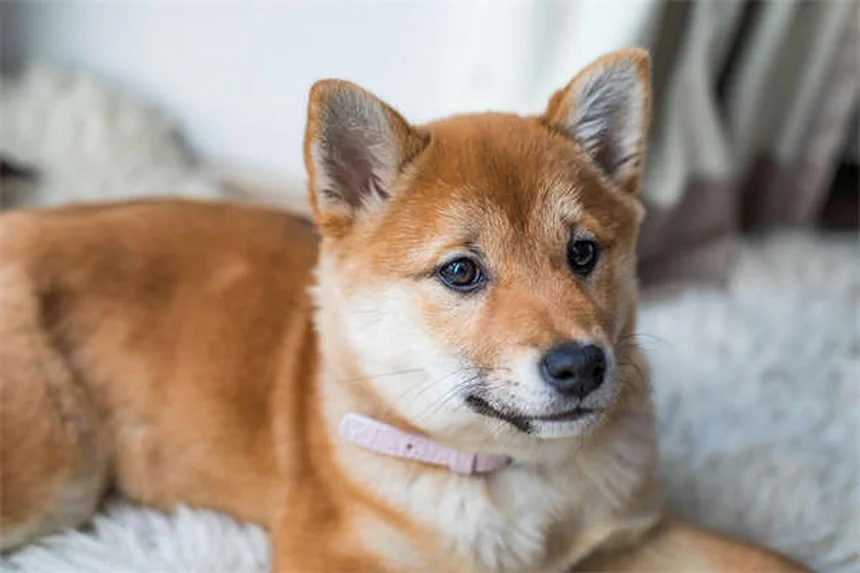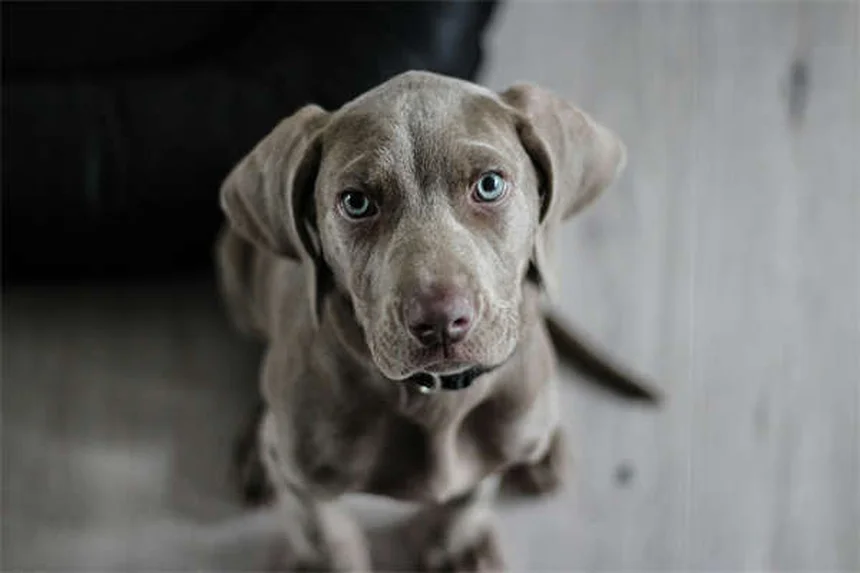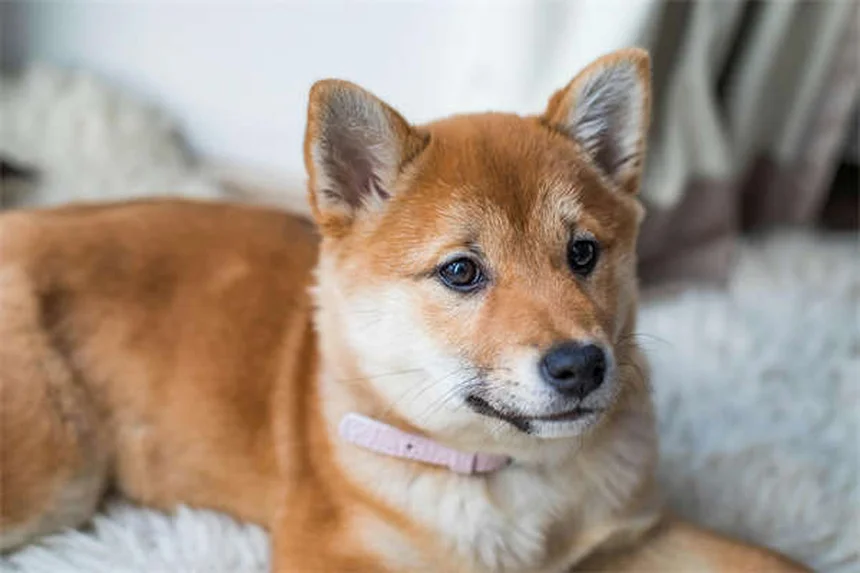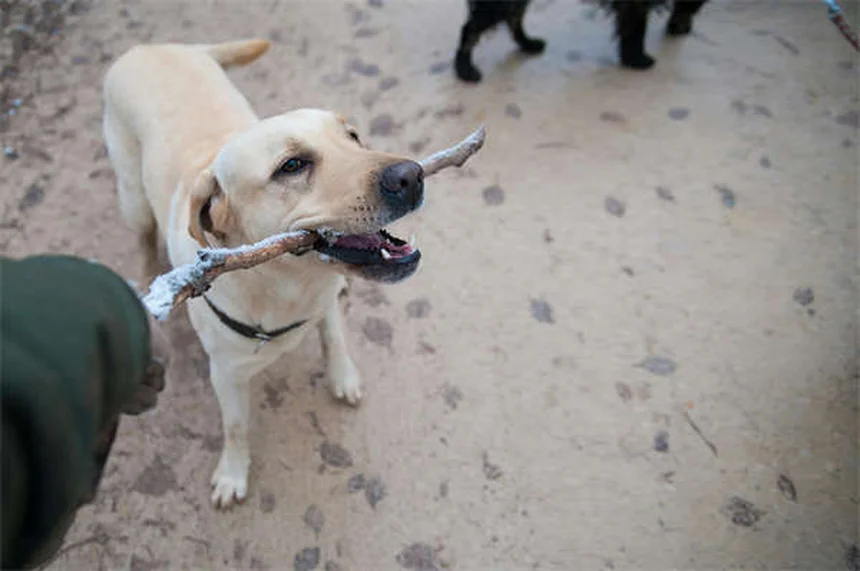

Why do dogs tilt their heads? The answer is: dogs tilt their heads for several intriguing reasons, from better hearing to showing they're processing information! We've all seen that adorable head cock when talking to our pups - it turns out there's real science behind this heart-melting behavior. While researchers haven't pinned down one definitive cause, studies suggest it could help them hear better, see past their muzzles, or even access memories. Some dogs even develop a preferred side for tilting, just like humans have dominant hands. The good news? Most head tilting is completely normal and just makes your furry friend even more lovable. But we'll also show you when this cute habit might signal a health concern. Ready to solve this canine mystery? Let's dive in!
E.g. :7 Clear Signs Your Cat Is Stressed & How to Help Fast
- 1、The Adorable Mystery of Head-Tilting Dogs
- 2、Sound or Vision? The Sensory Theories
- 3、The Brainy Side of Head Tilting
- 4、When Should You Worry About Head Tilting?
- 5、Turning Head Tilts Into Tricks
- 6、The Emotional Connection Behind Head Tilts
- 7、Breed Differences in Head Tilting
- 8、Training Applications of Head Tilting
- 9、Cultural Perceptions of Head Tilting
- 10、Advanced Canine Communication
- 11、FAQs
The Adorable Mystery of Head-Tilting Dogs
That Heart-Melting Canine Expression
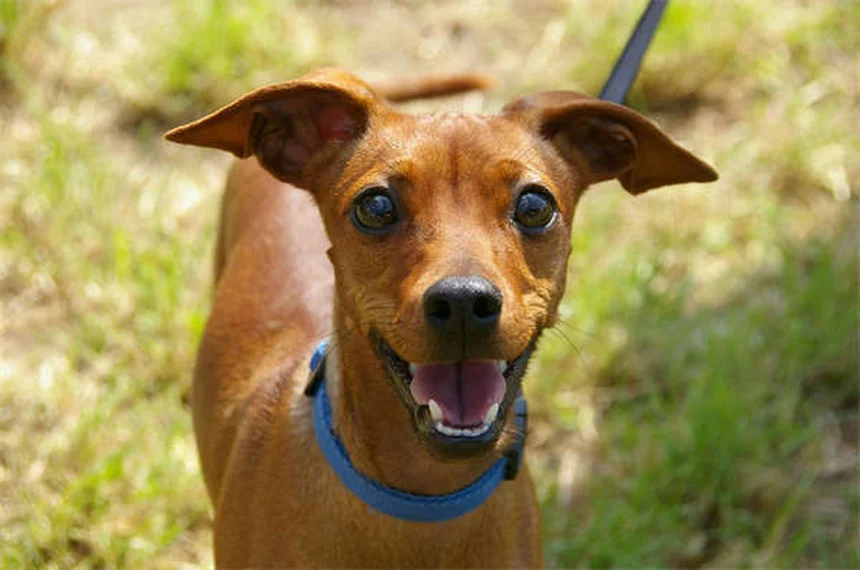
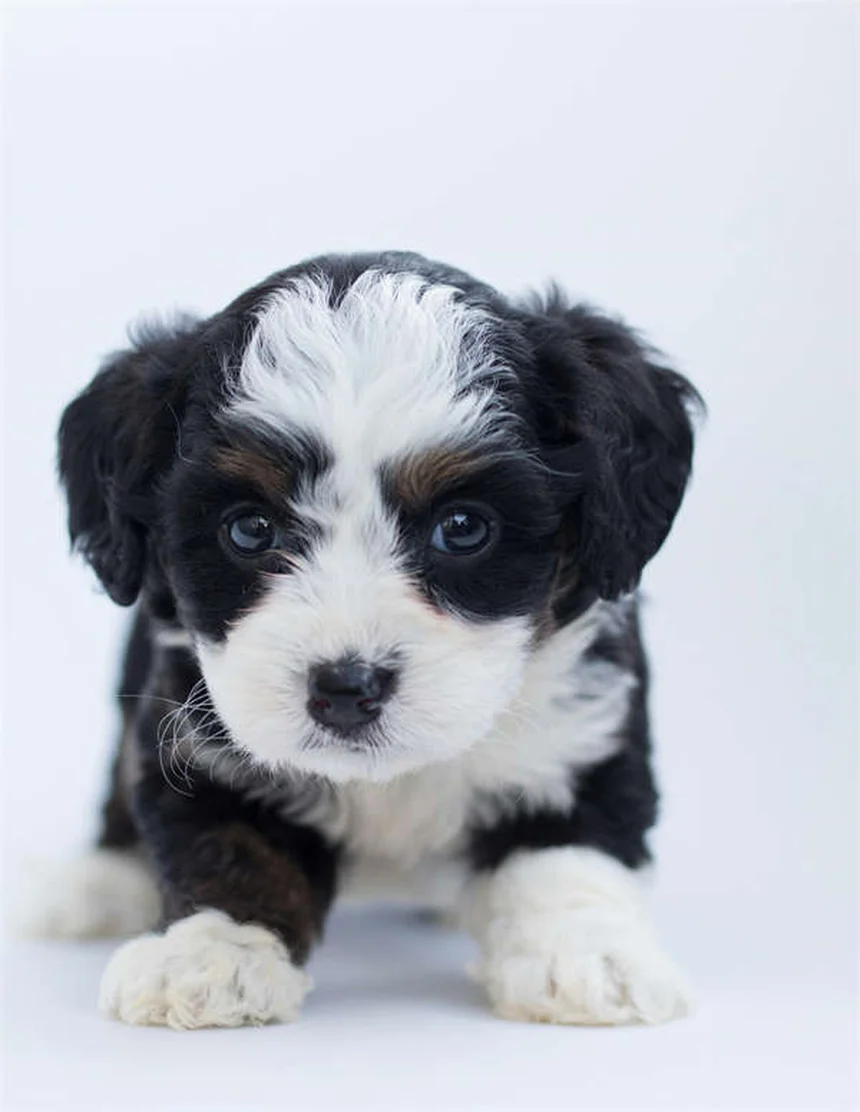
You know that feeling when your dog cocks their head to the side and suddenly looks 200% cuter? That's not just your imagination - science suggests this behavior creates an instant emotional connection between dogs and humans. We instinctively interpret the head tilt as focused attention, like they're hanging on our every word.
While not all dogs do this (some just give you that blank "feed me" stare), it's completely normal behavior in most cases. The funny thing is, researchers still don't fully understand why dogs tilt their heads - but they've got some fascinating theories that might surprise you!
Sound or Vision? The Sensory Theories
Turning Up the Volume on Life
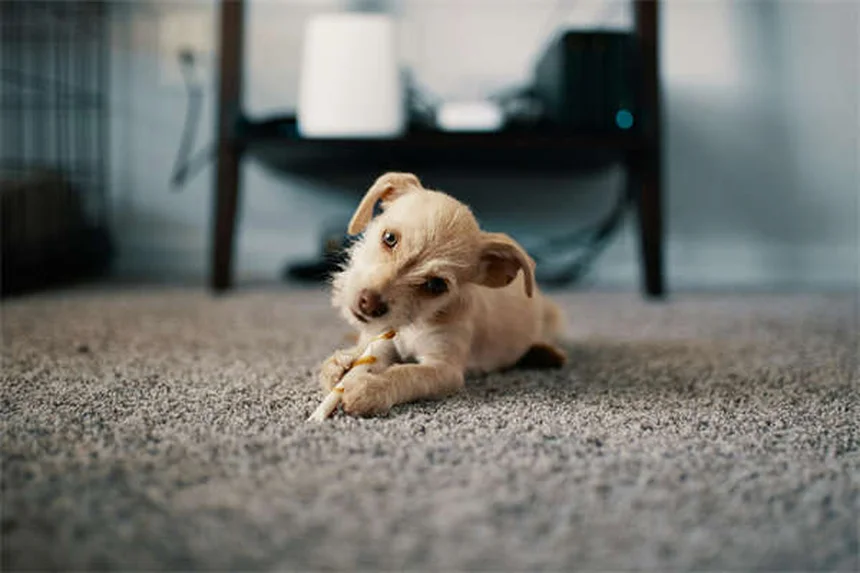
Ever notice how you turn your head when trying to hear something better? Dogs might be doing the same thing! Their ear structure is different from ours, and tilting could help them pinpoint sounds more accurately. Try this experiment: blow across a bottle top near your dog. Many will tilt their heads like they're saying, "What in the doggie world is that noise?"
Here's something interesting: studies show dogs usually turn rather than tilt their heads toward sounds. The direction (left or right) seems connected to which side of their brain processes the sound. But does tilting serve the same purpose? That's still up for debate.
 Photos provided by pixabay
A Better View of Their Human
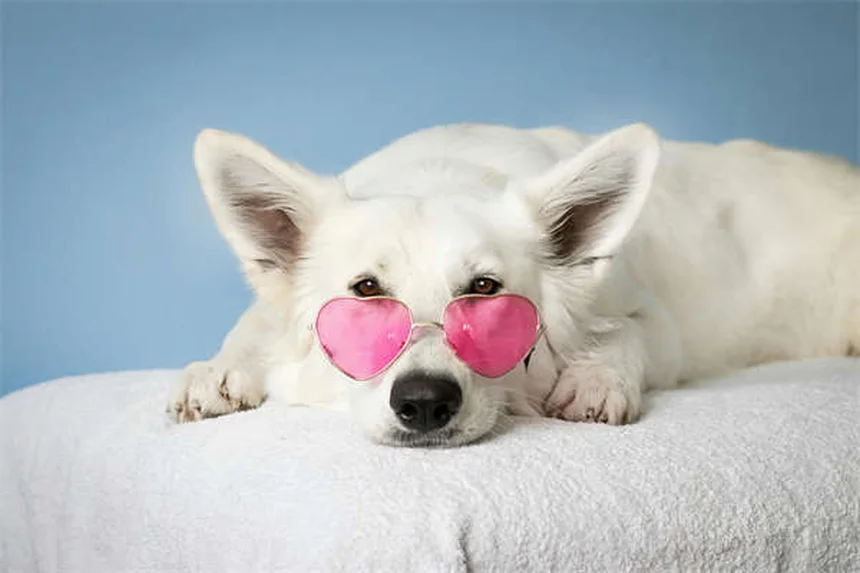
Here's a question you might not have considered: Could your dog's snout be blocking their view? For breeds with longer muzzles, tilting might give them a clearer picture of your face. Think about trying to look past a baseball cap brim - sometimes you tilt your head to see better, right?
The vision theory makes sense, but here's the catch - there's not enough research to prove it definitively. Maybe it's a combination of both hearing and seeing better. After all, dogs experience the world through multiple senses simultaneously.
The Brainy Side of Head Tilting
Canine Einstein's at Work
Get this - one groundbreaking study found that "Gifted Word Learner" dogs tilt their heads much more frequently when processing verbal commands. These canine geniuses can learn multiple toy names and retrieve them correctly way more often than chance would predict.
| Dog Type | Head Tilt Frequency |
|---|---|
| Gifted Word Learners | 43% of trials |
| Regular Dogs | 2% of trials |
This suggests head tilting might be part of how dogs access memories or match words to objects. When you say "Want to go for a ride?" and your pup cocks their head, they might literally be picturing the car in their mind!
Lefties and Righties in the Dog World
Here's a fun fact: researchers noticed individual dogs usually tilt in their preferred direction consistently. Just like humans have dominant hands, dogs might have dominant sides for thinking. But wait - doesn't this contradict the hearing theory? Maybe not! The brain is complicated, and different processes might favor different sides.
When Should You Worry About Head Tilting?
 Photos provided by pixabay
A Better View of Their Human
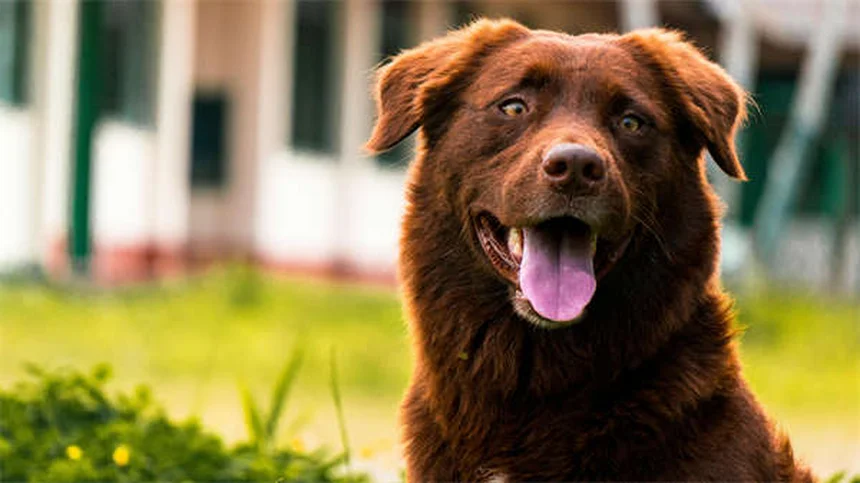
While most head tilts are adorable and harmless, sometimes they signal health issues. How can you tell the difference? Context matters! If your dog only tilts when you're talking or making funny noises, that's probably normal. But if they walk around with a permanent tilt regardless of what's happening, it's vet time.
Common medical causes include:- Ear infections (super common in floppy-eared breeds)- Damaged eardrums- Vestibular disease (like vertigo for dogs)- In rare cases, tumors or growths
Red Flags to Watch For
If the head tilt comes with any of these symptoms, call your vet immediately:• Circling or stumbling• Excessive drooling• Loss of balance• Vomiting• Unusual eye movements
The good news? Many conditions causing head tilts are treatable. With proper care, most dogs make full recoveries. My neighbor's golden retriever had vestibular disease last year - after some medication and TLC, she's back to tilting her head only when she hears the treat bag crinkle!
Turning Head Tilts Into Tricks
The Power of Positive Reinforcement
Here's a fun training tip: if your dog naturally tilts their head, you can turn it into a trick! When they do it spontaneously, immediately say "Good tilt!" and give a treat. Soon they'll offer the behavior more often. Before you know it, you'll have a party trick that melts everyone's hearts.
Just remember - never force this behavior. Some dogs physically can't or don't want to tilt their heads, and that's perfectly fine. Every dog has their own adorable quirks!
 Photos provided by pixabay
A Better View of Their Human
At the end of the day, whether it's about hearing, seeing, thinking, or just being cute, head tilting strengthens our bond with dogs. That moment when they look at you sideways as if to say, "I'm listening, human" - that's pure magic. So next time your pup gives you the tilt, take a second to appreciate this special form of canine communication.
Now if you'll excuse me, I need to go test these theories on my own dog. "Who's a good boy? Who wants a treat?" *waits for head tilt* There it is! Works every time.
The Emotional Connection Behind Head Tilts
Why Humans Find It Irresistible
Have you ever wondered why that little head tilt makes you want to give your dog all the treats in the world? It triggers our nurturing instincts in a way few other animal behaviors do. When dogs tilt their heads, they suddenly look more childlike and vulnerable - activating the same warm feelings we get when human babies do something adorable.
Researchers believe this reaction might be evolutionary. Dogs who displayed more "infant-like" behaviors probably received better care from early humans. Over thousands of years, we've essentially bred dogs to push our emotional buttons - and they've gotten really good at it!
The Science of Puppy Dog Eyes
Here's something fascinating: head tilting often accompanies another powerful canine expression - puppy dog eyes. When dogs combine these two behaviors, they become practically impossible to resist. Scientists have found these expressions cause an oxytocin release in humans - that's the same "love hormone" that bonds mothers with babies.
Next time your dog gives you the tilt-eye combo, notice how your voice automatically gets higher and sweeter. That's not just you being silly - it's biology at work! Dogs have literally trained us to respond this way through generations of co-evolution.
Breed Differences in Head Tilting
Which Breeds Tilt Most Often?
Not all dogs tilt equally! Through years of observation, dog enthusiasts have noticed some patterns. Generally, breeds known for being highly social and people-oriented tend to tilt more frequently. Here's a quick comparison of some common breeds:
| Breed | Tendency to Tilt | Possible Reasons |
|---|---|---|
| Golden Retrievers | Very High | Extremely social, eager to please |
| Border Collies | High | Highly intelligent, focused on humans |
| Bulldogs | Low | Physical structure makes tilting difficult |
But remember - every dog is an individual! I've met some very expressive bulldogs and some stoic golden retrievers. The breed tendencies are just general patterns, not rules.
Physical Limitations That Affect Tilting
Some dogs simply can't tilt their heads as dramatically due to their anatomy. Breeds with very short necks or heavy facial features (like pugs or mastiffs) might tilt less because it's physically challenging. On the other hand, breeds with long, flexible necks (like greyhounds) can achieve some truly impressive angles!
Does this mean these dogs are less emotionally connected to their humans? Absolutely not! They just show affection in different ways - maybe through tail wags, leaning against you, or those soulful stares.
Training Applications of Head Tilting
Using Tilts as Communication Cues
Professional dog trainers have started paying more attention to head tilts as potential communication markers. When a dog tilts during training, it often indicates they're actively processing information. Smart trainers watch for this signal to gauge when a dog is most receptive to learning.
Here's a pro tip: if you're teaching a new command and see the head tilt, that's the perfect moment to reinforce the behavior. The tilt suggests your dog is making mental connections - capitalize on that learning window!
The Head Tilt as a Bonding Exercise
You can actually use head tilting to strengthen your relationship with your dog. Try this simple exercise: when your dog tilts naturally, tilt your head in response while maintaining eye contact. Many dogs will respond with increased attention and even repeat the tilt. It becomes a little game that reinforces your connection.
But here's the key - keep it positive and fun. If your dog seems stressed or confused, back off immediately. The goal is mutual enjoyment, not performance pressure. After all, the best dog-human relationships are built on trust and happiness, not forced behaviors.
Cultural Perceptions of Head Tilting
How Different Societies Interpret the Tilt
Did you know that not all cultures view dog head tilts the same way? While most Western societies find it endearing, some Eastern cultures traditionally associated it with confusion or even mischief. These differences show how much our upbringing affects how we interpret animal behavior.
In Japan, for example, some older folktales portray head-tilting dogs as being up to no good. Meanwhile, in America, we've practically turned it into the universal symbol for "good dog" in cartoons and commercials. Isn't it fascinating how one simple gesture can carry such different meanings?
The Head Tilt in Pop Culture
Hollywood has fully embraced the head tilt as shorthand for canine intelligence and charm. From Lassie to Scooby-Doo, our favorite fictional dogs use this move to show they're paying attention. Advertisers know it works too - how many dog food commercials feature that signature tilt?
This pop culture reinforcement probably makes us respond even more strongly to real-life head tilts. We've been conditioned by media to see it as the ultimate "aww" moment. And let's be honest - it totally works on us every single time!
Advanced Canine Communication
Beyond the Tilt: Other Expressive Behaviors
While we're focusing on head tilts, it's important to remember they're just one part of a dog's rich communication repertoire. The tilt often combines with other signals like ear positioning, tail movement, and body posture to convey complete messages.
For example, a tilt with perked ears and a wagging tail means something very different from a tilt with flattened ears and a stiff body. Learning to read these combinations helps you truly understand what your dog is telling you.
The Future of Canine Communication Research
Scientists are just beginning to scratch the surface of how dogs communicate with us. With new technologies like thermal imaging and advanced motion tracking, we're gaining unprecedented insights into these behaviors. Who knows - maybe in a few years we'll have a complete "dictionary" of dog expressions!
One thing's for sure: the more we learn about behaviors like head tilting, the deeper our bonds with dogs can become. And that's something worth tilting our heads about - don't you think?
E.g. :Why do dogs tilt their heads? New study suggests the behavior ...
FAQs
Q: Do all dogs tilt their heads?
A: Not all dogs tilt their heads, and that's perfectly normal! Research shows this behavior varies between individual dogs. Some pups tilt constantly when you talk to them, while others might never do it. Interestingly, one study found that "Gifted Word Learner" dogs (those who can learn multiple toy names) tilt their heads much more frequently - about 43% of the time when processing commands, compared to just 2% in regular dogs. So if your dog doesn't tilt, don't worry - they might just communicate differently or have other adorable quirks!
Q: Can head tilting help dogs hear better?
A: That's one of the leading theories! While dogs typically turn rather than tilt their heads toward sounds, tilting might help them pinpoint noises more accurately. Their ear structure is different from ours, and adjusting the angle could enhance their hearing. Try this: make an unusual sound like blowing across a bottle top. Many dogs will tilt their heads as if saying, "What's that?" It's their way of tuning in to the interesting noise in their environment.
Q: Does muzzle shape affect head tilting?
A: Absolutely! Dogs with longer muzzles might tilt to see better - imagine trying to look past a baseball cap brim. Breeds like Collies or German Shepherds often tilt more than flat-faced dogs like Pugs. The tilt could give them a clearer view of your facial expressions. While we need more research, it makes sense that vision plays a role since dogs use multiple senses simultaneously to understand their world.
Q: When should I worry about my dog's head tilt?
A: Most head tilts are harmless, but watch for these red flags: if the tilt is constant (not just when you're talking), accompanied by loss of balance, circling, vomiting, or unusual eye movements. These could signal ear infections, vestibular disease, or other medical issues. The good news? Many causes are treatable - my neighbor's dog recovered fully from vestibular disease with proper care. When in doubt, consult your vet!
Q: Can I train my dog to tilt their head on command?
A: You sure can - if they do it naturally! When your pup tilts spontaneously, immediately say "Good tilt!" and reward them. With repetition, they'll offer the behavior more often. Soon you might get tilts just by asking "Who's a good dog?" But remember: never force it. Some dogs physically can't or prefer not to tilt, and that's okay. Every dog has unique ways of showing their personality!