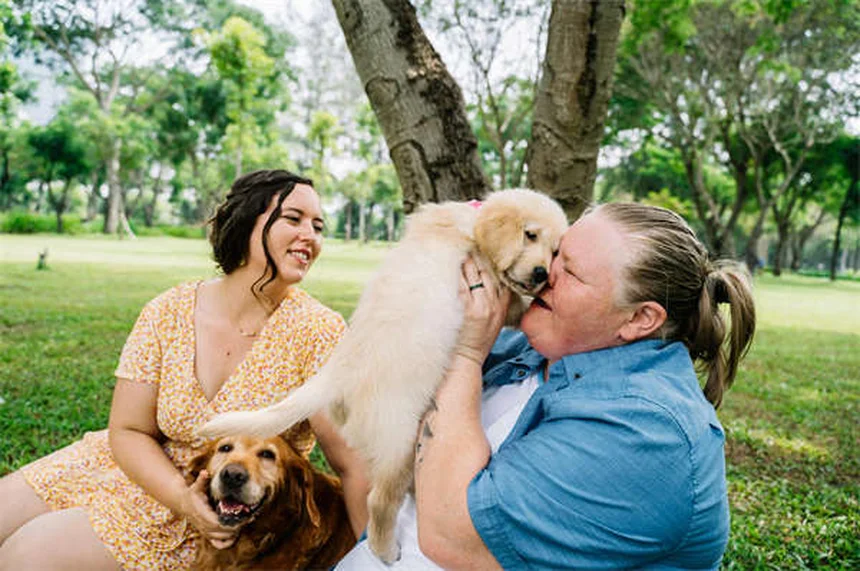

Is your pet overweight? The answer is: Yes, if they're carrying extra pounds, it's time to take action! Over 50% of U.S. pets are overweight, and that extra weight can lead to serious health problems like diabetes, arthritis, and even shorten their lifespan by 2-3 years. But don't worry - we've got your back with vet-approved strategies to help your furry friend slim down safely.As Dr. Wendy Mandese from the University of Florida explains, While pudgy pets might look cute, those extra pounds can cause major health issues that affect their quality of life. The good news? With the right approach, you can help your pet lose weight without making them miserable. We'll walk you through everything from proper portion control to making diet food more appealing - because let's face it, no one (human or pet) enjoys bland meals!Remember, this isn't about punishment - it's about showing love by giving your pet the gift of better health. Stick with us, and you'll learn how to transform your pet's eating habits in a way that actually works for both of you.
E.g. :New Cat Adoption: 7 Essential Tips for the First 30 Days
- 1、Is Your Pet Carrying Extra Pounds?
- 2、Starting the Weight Loss Journey
- 3、Treats - The Silent Weight Gain Culprit
- 4、Making Diet Food More Exciting
- 5、Turning Mealtime Into Playtime
- 6、Monitoring Progress Without Obsessing
- 7、Common Pitfalls to Avoid
- 8、Keeping the Whole Family On Board
- 9、The Emotional Side of Pet Weight Loss
- 10、The Science Behind Pet Nutrition
- 11、Special Considerations for Different Pets
- 12、The Financial Benefits of a Healthy Pet
- 13、Success Stories to Inspire You
- 14、When Progress Stalls
- 15、FAQs
Is Your Pet Carrying Extra Pounds?
Hey there pet parents! Let's talk about something we often overlook - our furry friends' waistlines. Did you know over 50% of cats and dogs in the U.S. are overweight? That chubby tummy might look cute, but it's actually putting your pet at risk for serious health issues.
The Hidden Dangers of Pet Obesity
My friend Dr. Wendy Mandese, a vet professor in Florida, shared some eye-opening facts with me. Overweight pets can develop:
- Type 2 diabetes (super common in cats)
- Painful arthritis before their time
- High blood pressure and heart disease
- Spinal problems that could lead to paralysis
Here's a scary thought - an obese pet's lifespan can be 2-3 years shorter than their healthy-weight counterparts. That's why we need to take action, but in a way that doesn't feel like punishment.
Starting the Weight Loss Journey
Step 1: The Vet Visit
Before you do anything, schedule a check-up with your vet. They'll:
| What They'll Do | Why It Matters |
|---|---|
| Determine ideal weight | Sets realistic goals |
| Calculate daily calories | Prevents over/under feeding |
| Check for health issues | Rules out medical causes |
I can't stress this enough - never start a diet without professional guidance. Your vet might recommend special prescription food that's lower in calories but still satisfying.
 Photos provided by pixabay
Step 2: The Slow Transition
Here's where most pet parents mess up - they change foods too fast. Dr. Joe Bartges from Georgia says transitioning should take 3-4 days minimum, sometimes weeks.
Try this simple method:
- Day 1-2: 75% old food + 25% new food
- Day 3-4: 50/50 mix
- Day 5-6: 25% old + 75% new
- Day 7: 100% new food
Pro tip: Invest in a kitchen scale! Measuring by weight is way more accurate than using cups. Your pet won't notice if you decrease their portion by 10 grams, but they'll definitely notice if you suddenly cut their food in half.
Treats - The Silent Weight Gain Culprit
Healthy Alternatives to Commercial Treats
Here's a shocker - those tiny treats can add up to a whole extra meal's worth of calories! But don't worry, you don't have to eliminate treats completely.
Try these vet-approved options:
- Frozen green beans (my dog goes crazy for these!)
- Matchstick carrots
- Small pieces of apple (remove seeds)
- Their regular kibble as treats
Warning: Never give your pet grapes, raisins, onions, or anything with xylitol (that artificial sweetener in sugar-free gum). These can be deadly even in small amounts.
The Portion Trick That Works
Here's a genius idea from Dr. Ng: Use part of their daily food allowance as treats. For example:
If your dog gets 2 cups of food daily, give 1.5 cups at mealtime and save the remaining half cup to use as treats throughout the day. This way, you're not adding extra calories!
Making Diet Food More Exciting
 Photos provided by pixabay
Step 2: The Slow Transition
Let's be honest - diet food can be boring. But we can make it more appealing without adding too many calories.
Try these simple tricks:
- Add a tablespoon of canned food (same brand as their dry food)
- Mix in a teaspoon of tuna water (no oil)
- Use low-sodium chicken broth as a topper
Remember to adjust the main meal portions when adding these extras to stay within the daily calorie limit.
Homemade Options That Work
Ever considered making your pet's food? Dr. Raditic shared an amazing success story:
"One client prepared a homemade diet with low-fat cottage cheese and veggies for her Sheltie. Not only did the dog lose weight, but the owner dropped 25 pounds too by eating the same healthy foods!"
But please - never switch to homemade without veterinary guidance. Pets need specific nutrients in precise amounts.
Turning Mealtime Into Playtime
Interactive Feeders - More Than Just a Bowl
Here's a fun fact: Pets that work for their food tend to eat slower and feel more satisfied. Try these ideas:
- Puzzle feeders that make them solve simple tasks
- Slow-feed bowls with maze patterns
- Automatic feeders that dispense small portions throughout the day
I use a puzzle feeder for my cat, and it's hilarious watching her "hunt" for her kibble. Plus, it keeps her busy for 20 minutes instead of scarfing everything down in 30 seconds!
 Photos provided by pixabay
Step 2: The Slow Transition
Did you know pets sometimes eat out of boredom, just like humans? Increasing activity helps in two ways:
- Burns calories
- Reduces stress eating
For dogs, try adding an extra walk or play session. For cats, feather toys or laser pointers can get them moving. Even 10 extra minutes of activity daily makes a difference!
Monitoring Progress Without Obsessing
Realistic Weight Loss Goals
Here's an important number to remember: 1-2% of body weight per week. That's the safe maximum for pets.
For a 20-pound dog, that's just 0.2-0.4 pounds weekly. The scale might not show dramatic changes, but slow and steady wins the race!
Tracking That Works
Try these simple monitoring methods:
- Weekly weigh-ins at your vet's office (most clinics offer free weight checks)
- Monthly progress photos - you'll see changes you might miss day-to-day
- Body condition scoring - your vet can teach you how to assess your pet's shape
Remember, we're aiming for health, not perfection. Celebrate every small victory along the way!
Common Pitfalls to Avoid
The "Just One More" Trap
We've all been there - those puppy eyes begging for just one more treat. But here's the thing: One extra treat per day can add up to a pound of weight gain per month for an average-sized dog.
Instead of giving in, try:
- Offering affection instead of food
- Playing a quick game
- Giving them a ice cube to chew (many dogs love this!)
The Weekend Overindulgence
It's easy to relax the rules when you're relaxing yourself. But those weekend extras can undo all your weekday progress.
Try keeping a consistent schedule seven days a week. Your pet's metabolism doesn't know it's Saturday!
Keeping the Whole Family On Board
Getting Everyone Involved
Here's a challenge - try getting all family members to follow the same feeding rules. I know it's tough when grandma wants to spoil the pets!
Try these strategies:
- Post the feeding schedule on the fridge
- Use a measuring cup that stays with the food
- Create a treat jar with pre-measured portions
When everyone follows the plan, your pet has a much better chance of success.
Positive Reinforcement Works Both Ways
Instead of feeling guilty about "depriving" your pet, focus on the benefits you're giving them:
- More energy to play
- Less joint pain
- Better overall health
- Potentially longer life
That's true love - helping your pet live their best, healthiest life!
The Emotional Side of Pet Weight Loss
Why We Overfeed Our Pets
Ever wonder why we tend to overfeed our furry friends? It's often about love and guilt. We associate food with affection, and those pleading eyes can be hard to resist. But here's the thing - showing love through food can actually shorten their lives.
I've seen so many pet parents struggle with this. My neighbor Sarah used to give her Labrador extra treats every time she left for work, feeling guilty about being away. The result? A 90-pound dog with serious hip problems at just 5 years old. We need to break this cycle by finding other ways to show affection.
Alternative Ways to Bond
Instead of reaching for the treat jar, try these bonding activities:
- 15 minutes of belly rubs or brushing
- Teaching a new trick (mental stimulation burns calories too!)
- Going on an adventure to a new park or trail
- Playing hide-and-seek with their favorite toy
These activities create stronger bonds than food ever could. Plus, they're way more fun for both of you!
The Science Behind Pet Nutrition
How Pet Food Has Changed
Did you know pet food wasn't even commercially available until the 1920s? Before that, pets ate table scraps or hunted. Today's pet foods are scientifically formulated, but many contain more calories than pets actually need.
Here's an interesting comparison of calorie density in common pet foods:
| Food Type | Calories per Cup | Equivalent in Human Food |
|---|---|---|
| Regular Dry Dog Food | 350-450 | 1.5 McDonald's cheeseburgers |
| Weight Management Food | 250-300 | 1 plain baked potato |
| Wet Food | 200-300 | 1 cup of pasta |
See how quickly those calories add up? That's why measuring portions is so crucial.
The Protein-Fat-Carb Balance
Not all calories are created equal. Pets need the right balance of protein, fats, and carbohydrates to stay healthy while losing weight. Here's what most vets recommend:
- Protein: 25-30% of calories (helps maintain muscle)
- Fat: 10-15% (but watch the calories!)
- Carbs: The remainder (fiber helps them feel full)
Ever wonder why your pet seems hungry all the time on a diet? It's often because their food is too high in carbs and low in protein. Switching to a higher-protein, lower-carb food can make a world of difference in their satisfaction levels.
Special Considerations for Different Pets
Senior Pets Need Extra Care
Weight loss for older pets requires special attention. Their metabolism slows down, and they often have other health issues. The golden rule? Go even slower with senior pets - aim for just 0.5-1% body weight loss per week.
My 12-year-old cat Mr. Whiskers needed to lose weight, but we had to be extra careful because of his arthritis. Our vet recommended:
- Special joint-support food with glucosamine
- Shorter but more frequent play sessions
- Raised food bowls to make eating easier on his joints
After six months, he'd lost 2 pounds and was jumping onto the couch again - something he hadn't done in years!
Breed-Specific Challenges
Some breeds are just prone to weight gain. Ever notice how Labrador Retrievers seem to always be hungry? There's actually a genetic reason for that! Research shows many Labs have a gene mutation that makes them feel constantly hungry.
If you have a breed prone to obesity (like Beagles, Dachshunds, or Persians), you need to be extra vigilant. These breeds often need:
- Stricter portion control
- More exercise opportunities
- Regular weigh-ins at the vet
The good news? With the right approach, any pet can reach and maintain a healthy weight.
The Financial Benefits of a Healthy Pet
Saving on Vet Bills
Here's something you might not have considered - keeping your pet at a healthy weight can save you thousands in vet bills. How? By preventing obesity-related conditions like diabetes, arthritis, and heart disease.
Let's break down the potential savings:
- Diabetes treatment: $1,000-$3,000 first year, then $500-$1,000 annually
- Arthritis medication: $50-$150 per month
- Special diets for health conditions: $50-$100 more per month than regular food
That healthy weight plan doesn't seem so expensive now, does it?
Insurance Premiums and Weight
Did you know some pet insurance companies charge higher premiums for overweight pets? It makes sense when you think about it - they're more likely to need expensive treatments.
By getting your pet to a healthy weight, you might qualify for lower premiums. Now that's what I call a win-win!
Success Stories to Inspire You
From Couch Potato to Marathoner
One of my favorite transformations was a Bulldog named Bruno. When his owners first brought him in, he could barely walk around the block without getting winded. Through gradual changes, he became a different dog!
Their secret? They made exercise fun:
- Started with 5-minute walks, increasing slowly
- Used a flirt pole (like a giant cat toy for dogs)
- Switched to a slow-feeder puzzle bowl
Two years later, Bruno completed a 5K with his owners - walking, of course, but still an incredible achievement!
The Cat Who Rediscovered Play
Then there's Mittens, a 15-pound cat who lost 5 pounds over a year. Her owner thought she'd never be playful again, but as the weight came off, her personality completely changed.
The key was finding activities Mittens enjoyed:
- Feather toys on a string
- Treat-dispensing balls (with healthy treats inside)
- Vertical spaces to climb (cat trees and shelves)
Now at age 10, Mittens acts like a kitten again. Proof that it's never too late to make positive changes!
When Progress Stalls
Breaking Through Plateaus
Hit a wall with your pet's weight loss? Don't panic - plateaus happen to everyone. The solution? Shake things up a bit.
Try these plateau-busting strategies:
- Switch to a different weight management food (same calories, different formula)
- Add 5 minutes to each walk or play session
- Introduce new toys to increase activity
- Recheck portion sizes (sometimes we accidentally creep back up)
Remember, even maintaining weight is an achievement. The scale might not move, but your pet is still benefiting from healthier habits.
Knowing When to Adjust Goals
Sometimes our initial goals need tweaking. Maybe your pet has underlying health issues, or perhaps that "ideal weight" isn't realistic for them. That's okay!
The most important thing is overall health improvement, not hitting a specific number. As my vet always says, "We're treating the patient, not the scale."
E.g. :Dog Weight Loss Information | Start Your Dog's Healthy Journey ...
FAQs
Q: How do I know if my pet is overweight?
A: Here's how to tell if your pet needs to lose weight: First, run your hands along their sides - you should be able to feel (but not necessarily see) their ribs without pressing hard. From above, they should have a visible waist behind the ribs. From the side, their belly should tuck up rather than hanging straight down. If you're unsure, your vet can perform a body condition score (a 1-9 scale where 4-5 is ideal). Remember, even just 2-3 extra pounds can be significant for smaller pets! Many pet parents don't realize their animal is overweight until the vet points it out, so don't feel bad if this is news to you.
Q: What's the safest way to help my pet lose weight?
A: The safest approach combines three key elements: 1) A vet-approved diet plan with measured portions, 2) Gradual food transitions (taking 3-4 days to several weeks), and 3) Increased physical activity. Dr. Joe Bartges emphasizes that pets should lose no more than 1-2% of their body weight weekly. We recommend starting with a veterinary visit to rule out medical causes and get personalized recommendations. Many vets now offer weight management programs with regular check-ins - think of it as having a personal trainer for your pet!
Q: Can I still give my pet treats while they're dieting?
A: Yes, but choose wisely! Those commercial treats can add up fast - just a few small ones might equal an extra meal's worth of calories. Instead, try these low-cal options: frozen green beans, carrot sticks, or even pieces of their regular kibble set aside from their daily allowance. Our pro tip? Break treats into tiny pieces - your pet will enjoy the same number of "treat moments" with fewer calories. Just avoid dangerous foods like grapes, raisins, onions, and anything containing xylitol (common in sugar-free products).
Q: How can I make diet food more appealing to my pet?
A: Try these flavor-boosting tricks: Add a tablespoon of the canned version of their diet food (adjusting the dry portion to account for the extra calories), mix in a teaspoon of tuna water (no oil), or use low-sodium chicken broth as a topper. Some pets go crazy for food puzzles or slow feeders that make mealtime more engaging. If your pet is really stubborn, ask your vet about prescription weight loss diets - today's formulas are much tastier than the bland options of the past. Remember, it's normal for pets to resist change at first, but most adjust within a few days.
Q: How long will it take to see results?
A: Patience is key - think months, not weeks. While you might notice small changes in energy levels within a few weeks, visible weight loss takes time. For a 20-pound dog, healthy weight loss might be just 0.2-0.4 pounds per week. We recommend monthly weigh-ins at your vet's office (most offer free weight checks) and progress photos to track changes you might miss day-to-day. As Dr. Donna Raditic says, "I celebrate even small amounts of weight loss because I know how hard it is to achieve." Remember, slow weight loss is more likely to stay off!