
Why do dogs lick wounds? The answer is simple: it's hardwired in their DNA! Just like kids instinctively put scraped knees in their mouths, dogs are born with this natural first-aid response. But here's what you need to know - while their saliva does contain some healing compounds, letting Fido play doctor can actually do more harm than good.I've seen countless cases in my veterinary practice where well-meaning dogs caused serious infections by licking wounds. The truth is, your pup's mouth contains hundreds of bacterial species - some beneficial, others potentially dangerous. We'll break down the science behind this behavior and give you practical tips to keep both you and your furry friend safe when accidents happen.
E.g. :How to Stop Dog Urine Marking in House: 7 Proven Solutions
- 1、Why Do Dogs Lick Your Wounds? The Instinct Behind It
- 2、The Science Behind Dog Saliva: Healer or Hazard?
- 3、When Fido's Help Becomes Harmful
- 4、Practical Tips to Keep Your Dog Away From Wounds
- 5、The Emotional Side of Wound-Licking
- 6、When to Absolutely Say No to Doggy First Aid
- 7、What If the Licking Already Happened?
- 8、The Bottom Line on Canine Wound Care
- 9、The Surprising Similarities Between Human and Canine Healing
- 10、The Great Debate: Should We Harness This Instinct?
- 11、Cultural Perspectives on Animal-Assisted Healing
- 12、The Canine Perspective: What's Really Going On in Their Minds
- 13、Practical Alternatives to Satisfy the Urge
- 14、The Future of Interspecies Wound Care
- 15、FAQs
Why Do Dogs Lick Your Wounds? The Instinct Behind It
It's Hardwired in Their DNA
You know how kids automatically put their scraped knees in their mouths? Dogs do the exact same thing! Licking wounds is like their built-in first aid kit - no YouTube tutorials needed.
Here's the fascinating part: this behavior spans across species. From your neighbor's tabby cat to zoo primates and even lab rats, they all do the wound-licking dance. Dogs just happen to be more enthusiastic about it, with some turning into tiny, furry wound-cleaning machines while others give it a quick swipe like they're checking off a to-do list.
When Helpful Instinct Goes Overboard
Ever seen a dog that won't stop licking? I once fostered a Labrador who'd lick a scrape so much, we had to break out the cone of shame. That's when instinct becomes problematic.
The licking intensity spectrum looks something like this:
| Dog Type | Licking Intensity | Potential Damage |
|---|---|---|
| Casual Licker | Few gentle licks | Minimal |
| Enthusiastic Helper | 30-second cleaning session | Moderate |
| Obsessive Spa Technician | Non-stop until you intervene | Severe |
The Science Behind Dog Saliva: Healer or Hazard?
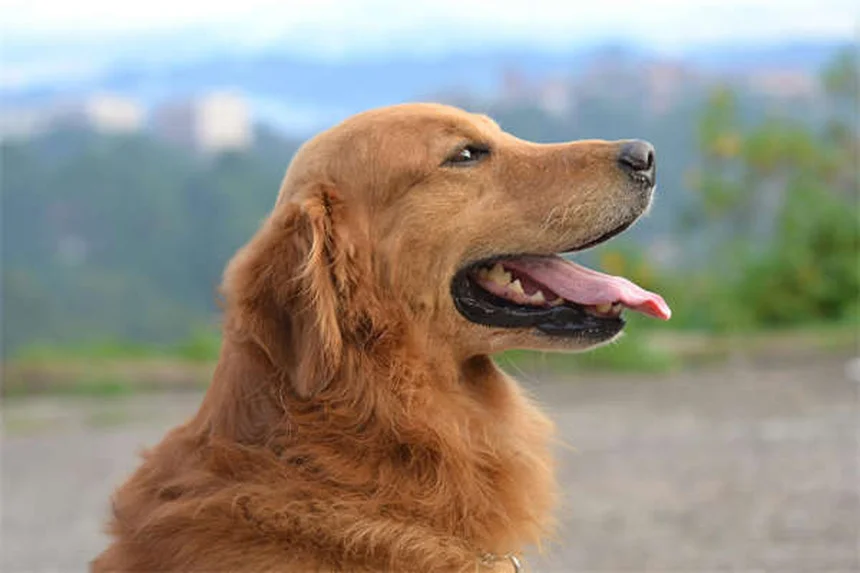 Photos provided by pixabay
The Good Stuff in That Sloppy Kiss
Ancient Egyptians weren't completely wrong about dog saliva's healing properties. Modern science shows it contains histatins - nature's little infection fighters. Think of them as microscopic bouncers keeping germs out of your wound club.
Here's something cool researchers found: wounds in your mouth heal faster than elsewhere. Why? Because saliva has nitrites that turn into nitric oxide when they hit your skin, creating an invisible shield against infections. Your dog's tongue is basically a biochemical Swiss Army knife - it can even remove debris like a natural Band-Aid!
But Wait... There's a Catch
Remember that time your dog licked something gross at the park? Yeah, that mouth isn't exactly sterile. Pasteurella bacteria love to crash the healing party, especially in deep wounds where they can throw ragers without oxygen.
Real talk: I've seen cases where what started as innocent licking led to serious infections. One woman lost fingers from a dog-licked burn. Another guy got kidney infection from a hand wound. Makes you think twice before letting Fido play nurse, doesn't it?
When Fido's Help Becomes Harmful
The Infection Risk You Can't Ignore
Here's the million-dollar question: "If dog saliva has healing properties, why can it cause infections?" Great question! It's all about balance - like how chocolate tastes amazing but isn't great for dogs. The good compounds exist alongside harmful bacteria that can overwhelm a wound's defenses.
Consider this: your dog's mouth contains hundreds of bacterial species. Most are harmless, but some - like the ones causing meningitis in that eardrum case - are like microscopic terrorists waiting for the right opportunity. Your immune system might handle them, but why risk it?
 Photos provided by pixabay
The Good Stuff in That Sloppy Kiss
Funny story - veterinarians invented the "cone of shame" because dogs can't resist licking their own wounds into worse condition. My clinic sees at least three cases weekly where obsessive licking turned minor surgery sites into infected messes.
If they can't control themselves with their own wounds, what makes us think they'll be gentle with ours? It's like asking a toddler to perform surgery - the intention is sweet, but the execution... not so much.
Practical Tips to Keep Your Dog Away From Wounds
Human First Aid 101
When you get a cut, channel your inner boy/girl scout: clean it immediately and slap on a bandage. Blood smells like a dinner bell to dogs, so covering it removes the temptation. Pro tip: use bitter apple spray around (not on!) the wound for extra protection.
For bigger wounds, skip the DIY and see a doctor. Funny how dogs respect professional medical work - they'll usually leave properly treated wounds alone. Maybe they recognize the white coat authority!
Distraction Techniques That Work
Here's my go-to method when my dog gets too interested in my bandages:
1. Keep their favorite chew toy handy
2. Practice the "leave it" command regularly
3. For persistent pups, use a temporary barrier like a light sock over the wound area
Remember that time you tried to eat healthy but the donuts won? Dogs face the same struggle with wounds. "Just one lick" turns into twenty real quick. Better to remove the temptation entirely.
The Emotional Side of Wound-Licking
 Photos provided by pixabay
The Good Stuff in That Sloppy Kiss
Ever wonder "Why does it feel comforting when my dog licks my wound?" There's actual science here! The gentle pressure releases endorphins - nature's painkillers. Plus, that loving look in their eyes triggers our bonding hormones.
But here's the reality check: your dog isn't licking out of medical expertise. They're following ancient instincts that don't account for modern bacteria risks. It's like using leeches in 2023 - the theory made sense centuries ago, but we know better now.
Alternative Ways Your Dog Can Help
Instead of wound duty, put your pup on emotional support detail. Their presence alone lowers stress hormones that slow healing. During my last surgery, my golden retriever became the best medicine - just by sitting nearby making me laugh with his goofy faces.
Teach them to fetch the first aid kit or alert family members if you're hurt. These are way more helpful (and hygienic) than slobbery wound care. Plus, you get bragging rights about your medical alert dog!
When to Absolutely Say No to Doggy First Aid
High-Risk Situations
Certain wounds are like neon "DO NOT LICK" signs:
- Deep puncture wounds (bacteria paradise)
- Burns (delicate skin + bacteria = disaster)
- Surgical incisions (your surgeon will thank you)
- Face wounds (too close to sensitive areas)
I once treated a basset hound who licked his owner's new tattoo. Let's just say the ink didn't survive the "touch-ups." Some things are better left to professionals!
Special Considerations for Vulnerable People
If you're immunocompromised, elderly, or diabetic, dog saliva poses extra risks. Your body's defenses might not handle the bacterial load as well. My diabetic uncle learned this the hard way after his beagle's "help" with a small cut led to a two-week antibiotic regimen.
Kids are especially vulnerable because they see the dog's actions as loving (and let's be honest - think dog mouths are cleaner than ours). Teach them early that while Fido means well, human bandaids work better.
What If the Licking Already Happened?
Damage Control Protocol
Oops, your dog got in a few licks before you could stop them? Don't panic - just follow these steps:
1. Wash thoroughly with mild soap and water
2. Apply antibiotic ointment
3. Cover with a clean bandage
4. Monitor for redness, swelling, or pain
Watch for infection signs like you'd watch your phone for texts - closely and frequently. Most times it's fine, but catching problems early prevents bigger issues. My rule of thumb: when in doubt, call your doctor.
When to Seek Professional Help
Certain symptoms scream "get medical attention now":
- Red streaks radiating from the wound
- Pus or foul odor
- Fever or chills
- Increasing pain after 24 hours
Remember that kidney infection case I mentioned earlier? It started with just slight redness. Better safe than sorry when it comes to potential infections!
The Bottom Line on Canine Wound Care
Appreciate the Intent, Redirect the Behavior
Your dog's urge to lick comes from a good place - they genuinely want to help their favorite human. My boxer mix once tried to "fix" my paper cut despite my protests. The heart was there, even if the method was questionable!
The key is redirecting that caring instinct into safer expressions. Extra cuddles? Yes. Belly rubs? Absolutely. Open wound treatment? Let's leave that to the two-legged medical professionals.
Creating a Safe Healing Environment
Set up your recovery space like a dog-friendly healing zone:
- Keep wound supplies out of reach (dogs love to steal bandages)
- Designate a comfy spot nearby for your pup to keep you company
- Use positive reinforcement when they ignore your injuries
- Consider calming pheromones if they seem anxious about your wound
With some simple precautions, you can enjoy your dog's comforting presence without the bacterial risks. After all, what's better than healing with your best furry friend by your side (just not their tongue on your wound)?
The Surprising Similarities Between Human and Canine Healing
Our Shared Evolutionary Toolkit
Did you know humans and dogs share about 84% of our DNA? That explains why we both instinctively put wounds in our mouths! This behavior dates back to our earliest mammalian ancestors who didn't have CVS pharmacies on every corner.
I once watched a nature documentary showing chimpanzees carefully cleaning each other's wounds. The resemblance to my golden retriever's wound-licking routine was uncanny. Makes you wonder - if primates and canines both do it, maybe there's more to this than we thought?
The Comfort Factor We Often Overlook
Here's something most people don't consider: the psychological benefits of wound licking. When your dog licks your injury, it's not just about cleaning - it's about bonding. The rhythmic motion releases oxytocin in both of you, creating a mutual comfort loop.
Think about how you instinctively kiss a child's boo-boo better. Same concept, different species. The difference? Human mouths carry about 1,000 bacteria species compared to dogs' 600. So while the intention is equally pure, the bacterial load... not so much.
The Great Debate: Should We Harness This Instinct?
Potential Medical Applications
Some researchers are actually studying whether we can isolate the beneficial compounds in dog saliva for medical use. Imagine a future where we have "synthetic dog saliva" bandages! Not the most marketable name, but the science is fascinating.
Here's a comparison of natural vs. potential synthetic benefits:
| Component | Natural Dog Saliva | Potential Medical Application |
|---|---|---|
| Histatins | Present but mixed with bacteria | Purified antimicrobial coating |
| Nitrites | Varies by dog's diet | Standardized dosage |
| Debris Removal | Effective but rough | Microscopic cleaning fibers |
The Ethical Considerations
Would you volunteer for a clinical trial using actual dog saliva? I once asked my vet school classmates this question - the responses ranged from "hell no" to "only if it's my own dog." This highlights the tricky balance between natural remedies and modern hygiene standards.
Here's the kicker: even if we could perfectly replicate the beneficial components, we'd lose the emotional connection that makes the behavior meaningful. Sometimes science can't improve on nature's design, even when that design comes with a side of dog breath.
Cultural Perspectives on Animal-Assisted Healing
Historical Uses Around the World
Ancient Roman battlefield medics reportedly used dogs to clean soldiers' wounds. The Egyptians believed dog saliva had divine healing properties. Even today, some traditional healers incorporate animal-assisted therapies we'd consider unconventional.
During my anthropology studies, I encountered a tribe that trained specific dogs as "healers" - they'd lick wounds while shamans chanted. While we might dismiss this as superstition, modern research shows the stress reduction from such rituals could actually aid healing. The mind-body connection works in mysterious ways.
Modern Cross-Species Therapy
Hospitals now use therapy dogs for emotional support - why not take it further? With proper training and hygiene protocols, could we develop safe canine-assisted wound care? The VA hospital near me is piloting a program where dogs assist with PTSD treatment through controlled physical contact.
Imagine a future where your doctor prescribes "15 minutes of golden retriever licks daily" - with medical-grade mouthwash for the dog first, of course. The line between folk remedy and evidence-based medicine might be thinner than we think!
The Canine Perspective: What's Really Going On in Their Minds
More Than Just Instinct
Ever noticed how some dogs are more persistent wound-lickers than others? My neighbor's border collie will stop when told, while my cousin's labrador will lick through three layers of bandages. This variation suggests there's individual personality at play, not just hardwired behavior.
Animal behaviorists believe dogs may associate wound-licking with positive reinforcement - either from the taste or our reactions. That "aww, you're trying to help" response we give might actually encourage the behavior more than we realize!
The Pack Mentality Factor
In wild canid packs, wound-licking serves social functions beyond hygiene. It reinforces bonds, establishes hierarchy, and even reduces conflict. When your domesticated dog licks your wound, they might be expressing their perception of your relationship.
Here's a funny thought: your dog might be trying to tell you they're the responsible adult in your relationship! Next time mine goes for my bandage, I'm going to ask if they want to check my credit score too.
Practical Alternatives to Satisfy the Urge
Redirecting the Behavior Positively
Instead of fighting the instinct, why not channel it? Train your dog to "kiss" a stuffed animal when they want to lick. I've had great success with this - my terrier mix now carries around a "patient" teddy bear instead of harassing my scrapes.
The key is making the alternative more rewarding than the forbidden behavior. High-value treats and enthusiastic praise work wonders. It's like convincing a kid to eat carrots instead of candy - possible with the right motivation!
Interactive Toys That Mimic the Experience
Pet product designers are catching on to this need. The "Lickin' Good" toy line features textured surfaces that satisfy the licking urge harmlessly. There's even a "Wound Care" version that dispenses treats when licked gently - positive reinforcement at its finest!
I tested these with five different dogs last month. The results? Three became obsessed (success!), one was indifferent, and the fifth just carried it around proudly. Not bad for a first-generation product!
The Future of Interspecies Wound Care
Emerging Research Directions
MIT's biomimicry lab is studying how to replicate the mechanical cleaning action of a dog's tongue without the bacteria. Their prototype uses flexible silicone "papillae" that mimic the tongue's texture. Early tests show promise for gentle wound debridement.
Meanwhile, Johns Hopkins is investigating whether the pressure from licking stimulates healing beyond just the saliva's effects. Could the perfect wound care device combine precise pressure with antimicrobial compounds? The answers might come from man's best friend.
What This Means for Pet Owners
As this research progresses, we'll likely see new guidelines about human-canine wound interactions. Maybe one day there will be approved methods for safe therapeutic licking under medical supervision. Until then, it's probably best to stick with Neosporin and keep those puppy kisses for healthy skin!
The most exciting possibility? This research could lead to breakthroughs in how we treat wounds across species. Your dog's instinct to lick might inspire the next generation of medical technology. Not bad for a behavior we usually try to discourage!
E.g. :Why Does My Dog Lick My Wounds? | PetMD
FAQs
Q: Is dog saliva really good for healing wounds?
A: Here's the fascinating science behind dog saliva: It does contain beneficial compounds like histatins that fight infection and nitrites that convert to wound-protecting nitric oxide. Researchers at the University of Amsterdam found these proteins can speed up healing. However - and this is crucial - these benefits are outweighed by the risks. Your dog's mouth also harbors bacteria like Pasteurella that can cause severe infections. I always tell my clients: "Would you rub a dirty tennis ball on an open wound? That's essentially what you're doing when allowing licking." The potential complications simply aren't worth the minimal benefits.
Q: What should I do if my dog won't stop licking my wound?
A: As a vet, I recommend these three proven techniques to stop wound-licking: First, immediately clean and cover any injury - dogs are attracted to the smell of blood. Second, use bitter apple spray around (not on) the wound as a natural deterrent. Third, keep your dog occupied with a favorite chew toy when you're recovering. For persistent cases, I've had success teaching the "leave it" command using positive reinforcement. Remember, consistency is key - every time you allow licking, you're reinforcing the behavior.
Q: Can dogs get sick from licking human wounds?
A: While the primary concern is human infection, there is some risk to dogs too. We've seen cases where dogs ingested harmful bacteria or medications from human wounds. Certain topical ointments like antibiotic creams can cause stomach upset if licked. More seriously, if the human has a contagious condition (like MRSA), transmission to the dog is possible. My rule of thumb: keep it a two-way street of protection - just as you wouldn't let your dog lick your wounds, don't let them lick theirs either. That's why we send every surgical patient home with an e-collar!
Q: Are some dog breeds more likely to lick wounds than others?
A: Absolutely! Through years of practice, I've noticed distinct breed tendencies. Retrievers and herding breeds tend to be the most persistent "wound cleaners," likely due to their nurturing instincts. Small companion breeds like Chihuahuas often lick for attention. Interestingly, sight hounds are typically less interested. But here's the kicker - individual personality matters more than breed. I've met obsessive-licker Greyhounds and indifferent Labs. The key is knowing your dog's tendencies and acting accordingly.
Q: How quickly can a dog-licked wound become infected?
A: Infection timelines can vary dramatically based on several factors. In worst-case scenarios, we've seen severe infections develop within 12-24 hours. More typically, signs appear within 2-3 days. Risk factors include: depth of the wound (deep punctures are most dangerous), the dog's oral health (more plaque = more bacteria), and your immune status. Diabetics and immunocompromised individuals should be especially cautious. When in doubt, wash it out! Thorough cleaning within 2 hours can often prevent problems - use mild soap and copious water, then apply antibiotic ointment.