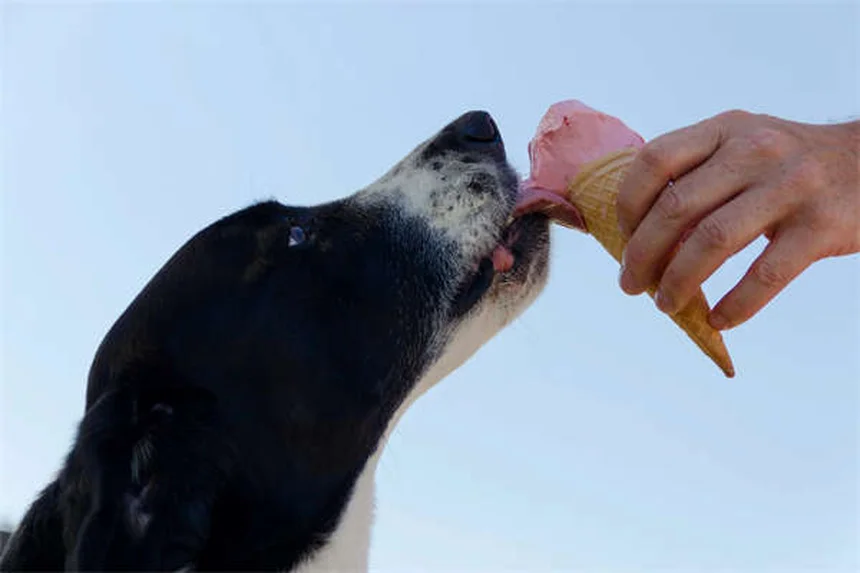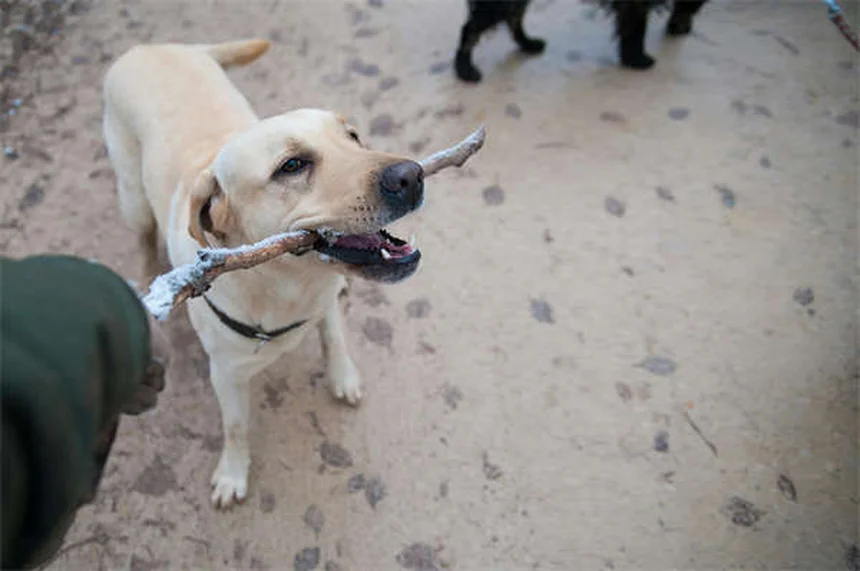

What are the best dog training treats? The answer is simple: small, smelly, and soft treats that your dog goes crazy for! Whether you're teaching basic commands or working on advanced behaviors, the right treats can make all the difference. I've trained dozens of dogs over the years, and I can tell you firsthand - not all treats are created equal.The best training treats are about the size of a pencil eraser (yes, even for big dogs!), have a strong aroma to grab your pup's attention, and are quick to eat so training sessions stay focused. From my experience, real meat treats like chicken or salmon work wonders, but don't overlook healthy options like apple slices for overweight pups.Here's the deal: your dog will tell you what treats they love most by how hard they work for them. That's why we'll explore how to choose the perfect rewards that'll have your dog eager to learn and perform. Let's dive into what makes certain treats stand out for training success!
E.g. :Why Do Dogs Chase Their Tails? 5 Surprising Reasons Explained
- 1、Why Dog Training Treats Matter More Than You Think
- 2、Choosing the Perfect Training Treats
- 3、Implementing Treats in Your Training Routine
- 4、Common Mistakes to Avoid
- 5、The Psychology Behind Why Treats Work
- 6、Creative Ways to Use Treats Beyond Basic Commands
- 7、Addressing Common Concerns About Treat Training
- 8、Taking Treat Training to the Next Level
- 9、FAQs
Why Dog Training Treats Matter More Than You Think
The Science Behind Treat-Based Training
Let me tell you something fascinating - when I first started training dogs, I underestimated how powerful dog treats could be. Positive reinforcement isn't just some fancy term trainers throw around - it's the golden ticket to a well-behaved pup. Think about it this way: would you work harder for a high-five or for a paycheck? Exactly!
Dr. Siracusa from UPenn's vet school explained something eye-opening to me. As training gets tougher (like in busy parks or around other dogs), you need to upgrade your treat game. Here's a simple comparison table showing how treat value should match training difficulty:
| Training Environment | Recommended Treat Type |
|---|---|
| Quiet living room | Regular kibble |
| Backyard with mild distractions | Soft training treats |
| Busy dog park | High-value meat or cheese |
The Surprising Truth About Treat Size
Here's where most owners go wrong - they think bigger dogs need bigger treats. Nope! My trainer friend Molly insists all dogs should get tiny treats, no bigger than a pencil eraser. Why? Because we want quick rewards that don't interrupt the training flow.
Imagine trying to teach math to a kid while they're chewing a three-course meal. Not effective, right? The same logic applies to your pup. Small, smelly treats work best because they:
- Keep training sessions moving fast
- Prevent overfeeding
- Maintain your dog's focus
Choosing the Perfect Training Treats
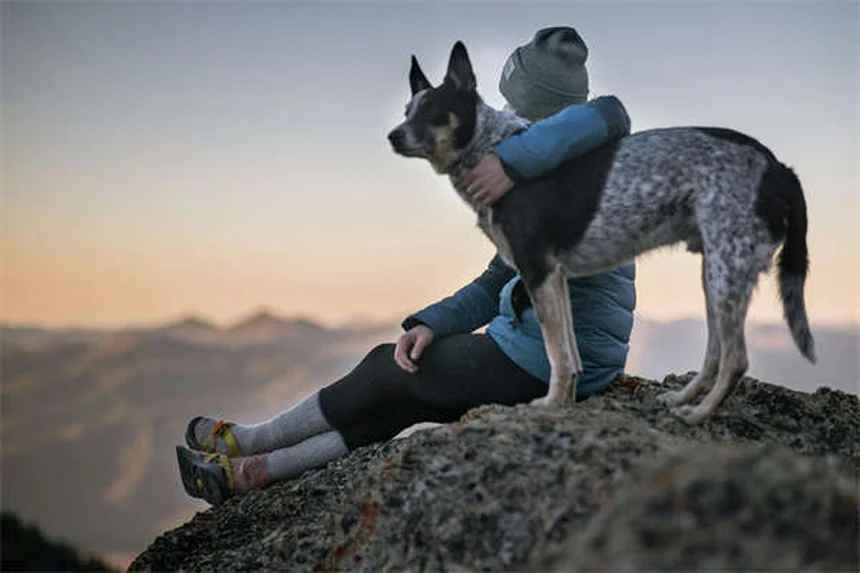 Photos provided by pixabay
Texture and Smell - The Secret Weapons
Ever wonder why cheese works so well? It's not just the taste - it's the lingering smell on your hands that keeps dogs interested. I've found that strong-smelling foods create better results than expensive gourmet treats.
Here's a pro tip: try bonito flakes (yes, the same ones used for cats!). They're tiny but pack a powerful aromatic punch. My dog goes nuts for them, and they don't add many calories. Perfect for training sessions at the park!
Healthy Alternatives You Haven't Tried
Wait - did you know you can use baby carrots as training treats? I didn't until my vet suggested it for my chubby beagle. For overweight dogs or long training sessions, these low-cal options are lifesavers:
- Thin apple slices (no seeds!)
- Steamed green beans
- Small pieces of watermelon (seedless)
But here's the million-dollar question: How do you know which treats your dog will work hardest for? The answer's simpler than you think - let your dog choose! Try different options and watch which ones make their tail wag the fastest.
Implementing Treats in Your Training Routine
The Gradual Introduction Method
When I first got my rescue dog, I made the mistake of switching treats too quickly. Big mistake! Dr. Siracusa taught me to introduce new treats slowly over several days. This prevents tummy troubles and helps you identify any food sensitivities.
Start with one treat type for 2-3 days. Watch for:
- Normal energy levels
- Regular bathroom habits
- No vomiting or diarrhea
Only after confirming everything's good should you introduce another option. This patience pays off - I learned my dog can't handle dairy, saving us both from messy accidents!
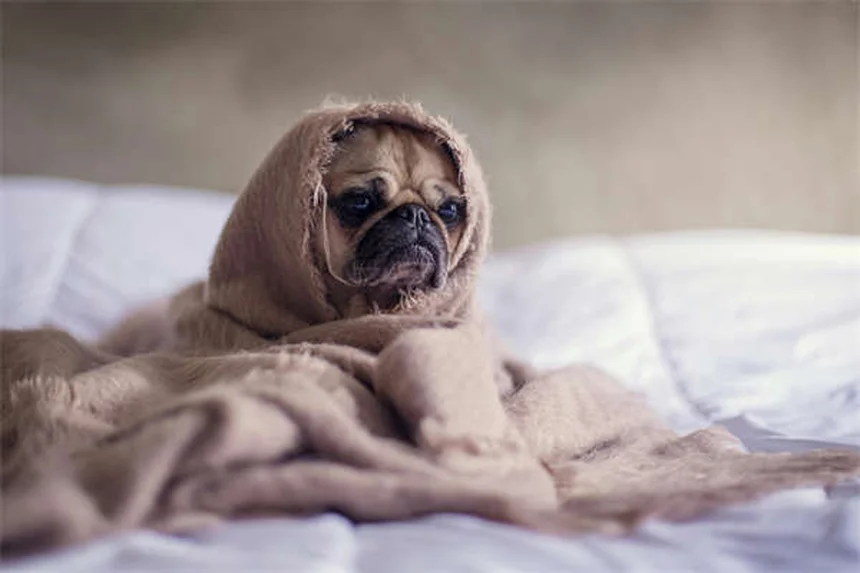 Photos provided by pixabay
Texture and Smell - The Secret Weapons
Not all training sessions are created equal. For basic commands at home, kibble might work fine. But when teaching something complex like "leave it" with distractions, you'll need the good stuff - think real meat or special dog treats.
Here's a reality check: Why would your dog ignore that squirrel for a piece of dry biscuit? They wouldn't! That's why having a hierarchy of treat values is crucial for progressing through different training levels.
Common Mistakes to Avoid
The Overfeeding Trap
I'll admit it - I used to over-treat my dog because those puppy eyes got me every time. But here's what Molly taught me: treats should make up no more than 10% of your dog's daily calories. Measure them out at the start of each day to stay on track.
For my 50-pound dog, that's about 100 calories worth of treats max. That equals roughly:
- 20 small training treats OR
- 2 tablespoons of chicken OR
- 1 ounce of cheese
Ignoring Your Dog's Preferences
Just because your neighbor's lab loves peanut butter doesn't mean your picky poodle will. I made this mistake early on, wasting money on treats my dog turned his nose up at.
The solution? Create a "treat test" with small samples of different options. Watch which ones your dog:
- Eats immediately
- Comes back for
- Works hardest to earn
Remember - the best dog treats are the ones your dog actually wants to work for! Everything else is just expensive kibble.
The Psychology Behind Why Treats Work
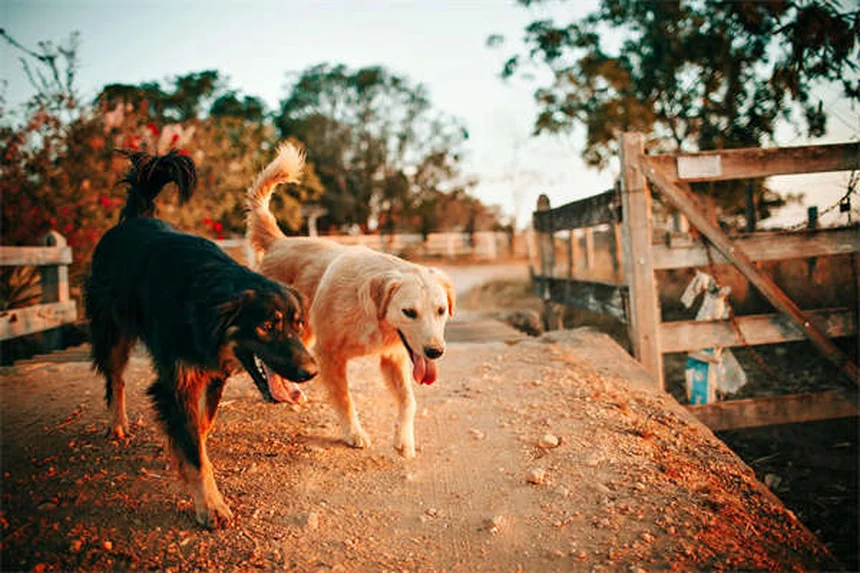 Photos provided by pixabay
Texture and Smell - The Secret Weapons
You know what's wild? Dogs don't understand delayed gratification like we do. When I first started training, I'd promise my dog "good boy" pats later - total fail! Immediate rewards are everything in dog training because their brains work in the present moment.
Here's a cool fact: dogs have about 300 million olfactory receptors compared to our measly 6 million. That's why smelly treats work so well - they create an instant, powerful association in your dog's mind. When my trainer showed me this comparison, it blew my mind:
| Reward Type | Effectiveness Rating | Why It Works |
|---|---|---|
| High-value smelly treat | 10/10 | Taps into powerful scent memory |
| Verbal praise | 4/10 | No immediate physical reward |
| Petting | 6/10 | Good but not food-motivating |
The Surprising Connection Between Treats and Trust
Here's something most owners don't realize - consistent treat training actually builds trust with your dog. I noticed this with my rescue pup Max. At first, he'd flinch at sudden movements. But after weeks of predictable treat rewards, he started looking to me for guidance instead of reacting fearfully.
Think about it this way: would you trust a boss who sometimes pays you and sometimes doesn't? Of course not! Dogs need that same consistency. When they know good behavior equals guaranteed rewards, you become their safe person.
Creative Ways to Use Treats Beyond Basic Commands
Turning Mealtime Into Training Time
Who says treats have to be extra? I started using my dog's regular kibble as training rewards during meals. This genius trick from my trainer friend saves money and prevents overfeeding. Here's how it works:
Instead of dumping the whole bowl, use portions of their dinner as rewards for simple commands. Not only does this make every meal a mini-training session, but it also:
- Slows down fast eaters
- Provides mental stimulation
- Strengthens your bond during routine activities
The Hidden Benefits of Treat-Dispensing Toys
Ever heard the saying "work for your food"? Well, dogs thrive on this concept too! I invested in a few treat puzzles last year, and let me tell you - game changer. These aren't just toys; they're secret training tools that:
Keep your dog busy for hours (goodbye, chewed shoes!) while reinforcing problem-solving skills. My personal favorite is the Kong Wobbler - it dispenses kibble as your dog nudges it around. It's like having a personal trainer for your pup when you're busy.
Addressing Common Concerns About Treat Training
"Won't My Dog Only Listen When I Have Treats?"
This was my biggest fear too! But here's the truth: treats are just the beginning. Think of them like training wheels - you use them heavily at first, then gradually phase them out as the behavior becomes habit.
The key is the variable reinforcement schedule my trainer taught me. Once your dog masters a command, start rewarding randomly - sometimes with treats, sometimes with praise. This actually makes behaviors more reliable because your dog never knows when the jackpot's coming!
Special Cases: Training Senior Dogs and Puppies Differently
Did you know puppy and senior dog brains learn differently? When my 12-year-old lab started slowing down, I had to adjust my treat strategy. Older dogs often need:
Softer treats that are easier to chew and digest. I switched to small pieces of boiled chicken instead of hard biscuits. Puppies, on the other hand, need extra-nutritious treats to support their growing brains. The right treats can make all the difference in their learning speed!
Taking Treat Training to the Next Level
The Art of Treat Delivery Timing
Here's a pro tip most owners miss - when you give the treat matters just as much as what you give. I used to reward my dog after he finished sitting, until my trainer pointed out I was missing the perfect moment.
The magic happens as their butt hits the floor, not after. This precise timing creates stronger neural connections. It's like hitting save at exactly the right moment in a video game - you want to capture the action as it happens!
Building Your Ultimate Treat Toolkit
After years of trial and error, here's what lives in my treat bag at all times:
- High-value "emergency" treats (freeze-dried liver works wonders)
- Medium-value training treats for everyday use
- Low-value kibble for easy commands
- A special "jackpot" treat for breakthrough moments
Having this variety lets me match the reward to the situation. And yes, my dog totally knows which pouch contains the good stuff - their noses don't miss a trick!
E.g. :Best dog treats for training. : r/puppy101
FAQs
Q: How many treats should I give my dog during training?
A: Here's what most owners don't realize - it's not about quantity but quality. I recommend keeping treats tiny (pea-sized) and limiting them to no more than 10% of your dog's daily calories. For my 50-pound dog, that's about 20 small treats or 2 tablespoons of chicken. The key is using high-value treats your dog loves, so you don't need many. Remember, we're reinforcing behavior, not feeding a meal! Spread treats throughout the day's training sessions, and always account for them in your dog's overall diet to prevent weight gain.
Q: Can I use regular dog food as training treats?
A: Absolutely! Many dogs will work for their regular kibble, especially in low-distraction environments. I often use this trick for basic training at home. However, as Dr. Siracusa taught me, when you're training in challenging situations (like at the dog park), you'll need to upgrade to higher-value treats. Think of it this way: would you work overtime for your normal pay, or would you need a bonus? Same goes for your pup! Start with kibble, but have some special treats ready when you need extra motivation.
Q: What are some healthy alternatives to commercial dog treats?
A: I love this question because many owners don't realize how many healthy human foods make fantastic training rewards! My top picks are:
- Baby carrots (great for overweight dogs)
- Thin apple slices (remove seeds first)
- Steamed green beans
- Small pieces of watermelon (seedless)
- Cooked chicken breast (no seasoning)
These options are low-calorie but still exciting for most dogs. When my beagle needed to lose weight, we switched to mostly veggie treats during training, and he never noticed the difference in enthusiasm!
Q: How do I know which treats my dog likes best?
A: This is where the fun begins! I always tell my clients to conduct a "treat taste test". Place small samples of different treats on a plate and see which ones your dog:
1. Eats immediately without hesitation
2. Comes back to after trying others
3. Works hardest to earn during training
Remember, the best dog training treats are the ones your dog will ignore distractions for. If they'll leave a squirrel to get to that treat, you've found gold! Don't be afraid to experiment - every dog has unique preferences.
Q: Are expensive treats always better for training?
A: Not necessarily! While some premium treats are excellent, I've found that simple, smelly foods often work best. Cheese, hot dog pieces, or even bonito flakes (those fishy cat treats) can outperform fancy gourmet options. The secret is in the aroma and taste, not the price tag. What matters most is how your dog responds - if they're willing to work hard for cheap chicken, that's perfectly fine! Save the expensive treats for special occasions or particularly challenging training scenarios.