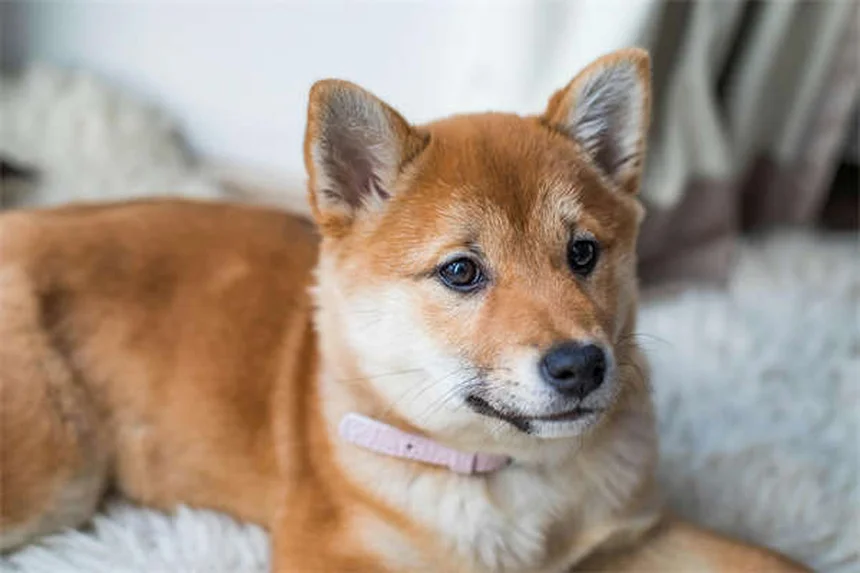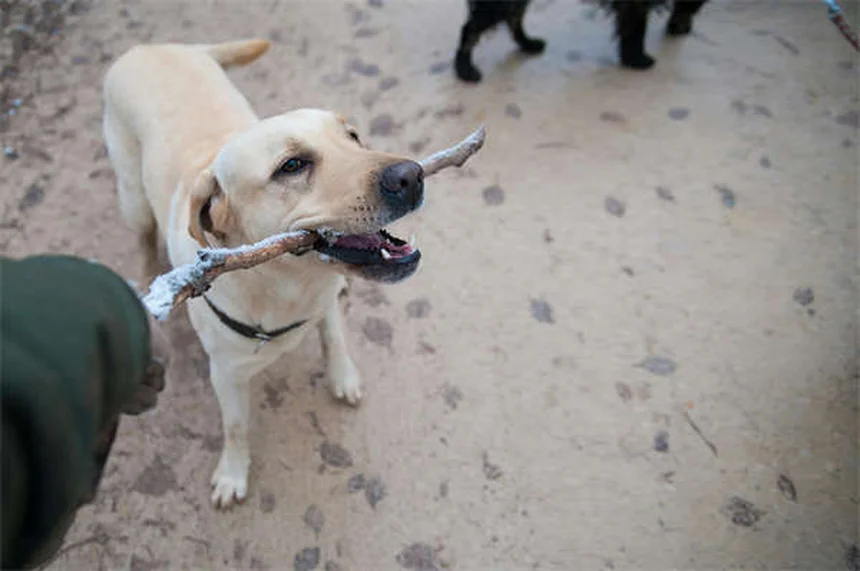

Why do dogs lick you? The answer is simple: dogs lick for multiple reasons ranging from affection to communication. As a dog owner myself, I've learned that those slobbery kisses actually serve important purposes in canine behavior. Dogs lick to show love, gather information about their environment, and even self-soothe. But here's something fascinating - where your dog licks you reveals different intentions. Face licking often means affection, while hand licking helps them read your daily activities through scent. And yes, sometimes they just like the salty taste of your skin! In this article, we'll break down the science behind this common behavior so you can better understand what your pup is trying to tell you.
E.g. :Best Dog Training Treats: Top Picks for Effective Positive Reinforcement
- 1、The Fascinating Science Behind Why Dogs Lick You
- 2、Why Dogs Lick Different Body Parts
- 3、The Weird (But Adorable) Licking Habits
- 4、When Licking Becomes a Concern
- 5、Making Peace With the Licks
- 6、The Surprising Health Benefits of Dog Licks
- 7、The Cultural Differences in Dog Licking
- 8、Training Alternatives to Licking
- 9、The Future of Human-Canine Communication
- 10、FAQs
The Fascinating Science Behind Why Dogs Lick You
It's All About Those Happy Chemicals
Ever wonder why your dog seems addicted to licking you? It's not just about taste - there's actual brain chemistry involved! When dogs lick, their brains release endorphins, those feel-good chemicals that make them (and us!) feel relaxed and happy. This then triggers dopamine, the "reward" chemical that keeps them coming back for more licks.
Think of it like when you eat chocolate - first comes the delicious taste, then that warm, happy feeling. For dogs, licking provides that same satisfying experience. This explains why your pup might lick you even when you're not particularly tasty - they're basically getting their daily dose of happiness!
Puppy School: Where Licking 101 Begins
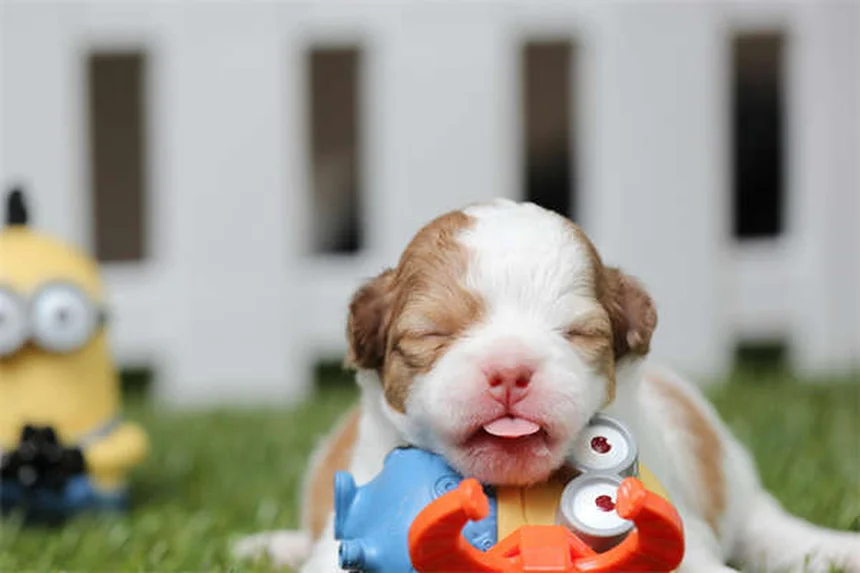
Did you know puppies learn to lick before they even open their eyes? Mother dogs lick their newborns to clean them and stimulate bodily functions. Those early puppy licks serve multiple purposes:
- Showing submission to older dogs
- Expressing affection to littermates
- Self-soothing when nervous
This means by the time you bring your puppy home, they're already licking experts! They've learned that tongues are powerful tools for communication and connection.
Why Dogs Lick Different Body Parts
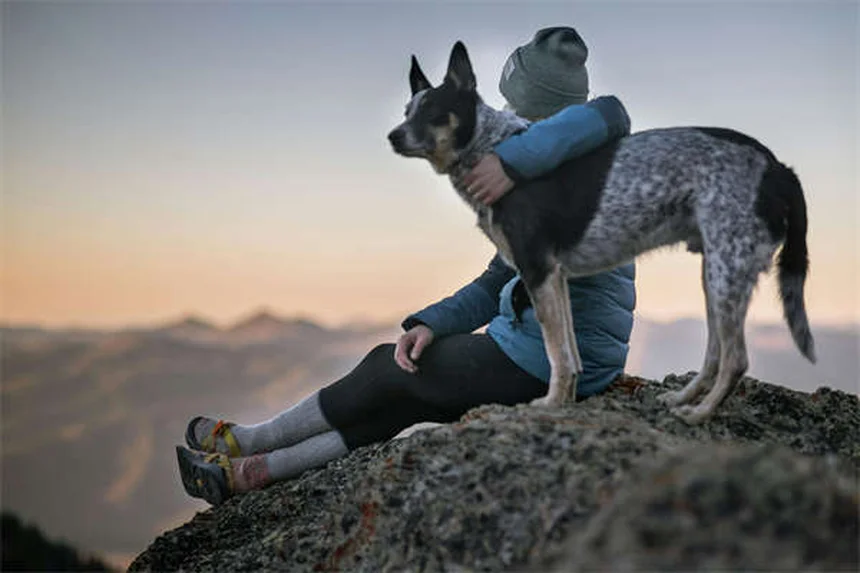 Photos provided by pixabay
Hand Licking: Your Personal Storybook
Your hands are like a treasure map of your day's adventures. Every person you shook hands with, every snack you ate, every interesting smell you touched - your dog wants to experience it all through licking.
Here's a fun fact: The average person touches their face 23 times per hour. That means your hands pick up all sorts of interesting scents from your face too! No wonder Fido can't resist giving your fingers a thorough inspection when you get home.
Face Licking: The Ultimate Compliment
Why do dogs go crazy for your face? Let's break it down:
| Facial Feature | Why Dogs Love It |
|---|---|
| Cheeks/Forehead | Salty sweat from eccrine glands |
| Eyelids/Nostrils | Distinct odor from apocrine glands |
| Lips | Leftover food flavors |
But here's something you might not realize: When your dog licks your face, they might actually be trying to groom you like they would another dog. It's their way of saying "You're part of my pack!"
The Weird (But Adorable) Licking Habits
Ear Licking: The Ultimate Sign of Trust
Ever had your dog suddenly start licking inside your ear? While it might feel gross to you, this is actually a huge compliment in dog language. Ears contain special glands that produce unique scents, making them irresistible to curious canines.
In the wild, dogs only allow trusted pack members near their ears. So when your pup goes for your ears, they're basically saying "I feel completely safe with you." Just maybe keep some tissues handy!
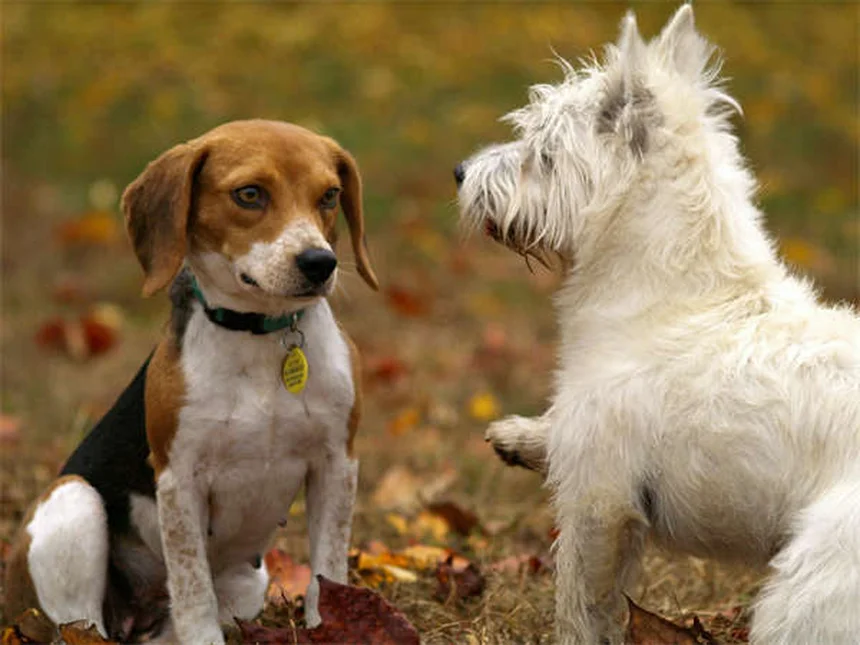 Photos provided by pixabay
Hand Licking: Your Personal Storybook
Here's a funny thought: Your feet might be your dog's favorite snack! The soles of your feet contain thousands of sweat glands that leave behind delicious salty residue. To your dog, your bare feet are like nature's potato chips.
And if you're ticklish? That's just bonus entertainment! Dogs quickly learn that foot licking gets big reactions from their humans. Before you know it, you've accidentally trained them to attack your toes every time you take off your socks.
When Licking Becomes a Concern
Normal vs. Problematic Licking
How can you tell when licking crosses the line from cute to concerning? Here's a quick guide:
Normal licking: Occasional, easy to redirect, seems happy/content
Problem licking: Constant, obsessive, seems anxious/stressed
Did you know some dogs develop actual compulsive licking disorders? It's like when people bite their nails - starts as a habit but can become uncontrollable.
Medical Red Flags to Watch For
Excessive licking can sometimes signal health issues. Watch for these warning signs:
- Focusing on one specific spot (could indicate pain)
- Licking non-food items like walls or floors (possible GI issues)
- Licking that leads to skin irritation or hair loss
Remember that joke about dogs being walking noses? Well, their tongues are equally impressive tools for exploring the world. While most licking is perfectly normal, it's good to know when it might indicate something more serious.
Making Peace With the Licks
 Photos provided by pixabay
Hand Licking: Your Personal Storybook
Not everyone enjoys dog kisses - and that's okay! If you want to discourage licking, try these tips:
1. Redirect with a toy when they start licking
2. Stand up and walk away if they get too intense
3. Reward them for calm behavior instead
But if you don't mind the slobber? Enjoy those puppy kisses! Just maybe keep some face wipes handy for when guests come over.
The Bottom Line on Dog Licks
At the end of the day, most licking is just your dog's way of saying "I love you" in their own special language. Whether they're tasting your salty skin, grooming you like family, or just enjoying those happy brain chemicals, it's all part of what makes dogs such wonderfully weird companions.
So next time your pup plants a big wet one on your face, remember - in dog world, that's basically a hug, a handshake, and a "how was your day?" all rolled into one slobbery package!
The Surprising Health Benefits of Dog Licks
Nature's Probiotic Delivery System
Believe it or not, your dog's tongue might be giving you more than just affection! Recent studies show that dog saliva contains beneficial bacteria that could actually strengthen your immune system. It's like getting a probiotic supplement - just delivered in the sloppiest way possible!
Now before you go letting your dog lick your salad fork, let's be clear - we're not suggesting you drink dog saliva. But occasional licks might expose you to microorganisms that help train your immune system to distinguish between harmless and harmful invaders. Isn't it wild how nature works?
The Healing Power of Dog Spit
Ever notice how dogs instinctively lick their wounds? There's actual science behind this behavior! Dog saliva contains:
- Histatins - proteins that speed up wound healing
- Nitrate compounds that convert to nitric oxide - great for fighting bacteria
- Opiorphin - a natural painkiller
While we wouldn't recommend replacing your first aid kit with dog kisses, it's fascinating how evolution equipped our furry friends with their own biological healing systems. Makes you wonder - if dogs lick our hands, are they trying to heal our paper cuts without us even noticing?
The Cultural Differences in Dog Licking
East vs. West: A Tale of Two Attitudes
Did you know that in some Asian cultures, people consider dog licking to be unhygienic and actively discourage it? Meanwhile in America, we've got Instagram accounts dedicated to #dogkisses! Here's how perceptions differ:
| Country | Common Attitude | Typical Response |
|---|---|---|
| USA | "Aww how sweet!" | Allow/encourage licking |
| Japan | "That's unsanitary" | Gently push dog away |
| France | "Part of dog ownership" | Tolerate but don't encourage |
This cultural divide raises an interesting question: Are we Americans too relaxed about dog saliva? The answer probably depends on who you ask! Personally, I think as long as everyone's healthy and happy, a few licks never hurt anybody.
Historical Perspectives on Canine Affection
Ancient Egyptians actually believed dog saliva had healing properties! They documented using dog licks to treat various ailments. Meanwhile, medieval Europeans often saw dogs as unclean - though they still kept them as working animals.
Fast forward to today, and we've got scientific studies analyzing the microbiome exchange between dogs and humans. How's that for progress? From mystical healing to microbiological research - our understanding of dog licks has come a long way!
Training Alternatives to Licking
Teaching Your Dog Other Ways to Show Love
If you're not a fan of the slobber but still want affection, try training these alternative behaviors:
The "Lean" - Teach your dog to gently press their shoulder against your leg. It's like getting a hug without the wetness!
Paw Shake - Redirect that licking energy into giving you their paw instead. Bonus: You'll look super polite when introducing your dog to guests.
Remember, dogs lick because they want to connect with us. By giving them other ways to express themselves, you're actually strengthening your bond - just in a less messy way!
The Power of Positive Reinforcement
Here's a pro tip: When your dog chooses not to lick you, make a big deal about it! Give them treats, pets, and happy praise. They'll quickly learn that keeping their tongue to themselves earns even better rewards than licking ever could.
I've seen this work wonders with my neighbor's Labrador. That dog used to be a face-licking maniac, but now he proudly sits and offers his paw instead. It's proof that with patience and consistency, you can reshape even the most enthusiastic licker's habits.
The Future of Human-Canine Communication
Could We Breed Dogs That Lick Less?
Some breeders are actually selecting for dogs with less licking tendencies! While no breed is completely lick-free, certain types like Basenjis and Shiba Inus tend to be more reserved with their tongues.
But here's something to think about - if we breed out licking completely, are we removing an important part of canine communication? After all, mother dogs lick their puppies, pack members groom each other, and our pets are just extending that behavior to us. Maybe the solution isn't less licking, but better understanding!
High-Tech Alternatives to Dog Kisses
Imagine a future where your smart collar vibrates when your dog wants to show affection, eliminating the need for licking! Some tech companies are already experimenting with wearable devices that help dogs communicate in cleaner ways.
But let's be honest - would any gadget ever truly replace the simple joy of a happy dog greeting you with enthusiastic licks? I don't know about you, but I'll take the occasional slobber over cold technology any day. There's just something irreplaceable about that genuine, unfiltered canine affection!
E.g. :Why do dogs lick people? : r/askscience
FAQs
Q: Is it bad if my dog licks my face?
A: Face licking isn't inherently bad, but there are some things to consider. While it's often a sign of affection, dogs' mouths contain bacteria that could potentially cause infections if they lick broken skin or mucous membranes (like inside your nose or mouth). I recommend redirecting face licking if you have a weakened immune system. For most healthy adults, occasional face licks are fine - just wash the area afterward. What's more important is understanding why your dog does it. As we explain in our article, face licking can mean "I love you" in dog language, or they might just enjoy the salty taste of your skin!
Q: Why does my dog lick my legs after I shower?
A: Shower time turns you into a walking doggie popsicle! When you step out of the shower, your dog is drawn to several things: the water droplets on your skin, the scent of your shampoo/soap, and any natural skin oils that become more accessible after washing. As we mention in the article, dogs have an incredible sense of smell - about 10,000 times stronger than ours! So while you just smell like "clean," your dog detects a complex bouquet of interesting scents. This behavior is usually harmless unless your dog becomes obsessive about it.
Q: Should I stop my dog from licking everything?
A: It depends on what and how much they're licking. Normal exploratory licking (like giving your hand a quick sniff-lick when you come home) is fine. But as we discuss in our "When Licking Becomes a Concern" section, excessive licking of objects like walls or furniture could indicate health issues like nausea or anxiety. I suggest monitoring the behavior - if it's constant or focused on one area, consult your vet. For mild cases, try providing alternative lick outlets like frozen Kong toys or lick mats to satisfy their need to lick in a healthier way.
Q: Why does my dog lick my ears specifically?
A: Ear licking is actually a huge compliment in dog language! As we explain in the article, ears contain special scent glands that produce unique odors dogs find fascinating. In wild canines, allowing ear access shows complete trust because it's such a vulnerable area. So when your pup goes for your ears, they're essentially saying "You're my favorite person!" That said, ear licking can sometimes indicate ear infections in dogs, so if the behavior is new or excessive, it's worth having your vet check their ears too.
Q: Do dogs lick when they're anxious?
A: Yes, licking can definitely be a stress signal in dogs. As covered in our article, the act of licking releases calming endorphins in a dog's brain. Some anxious dogs will lick themselves, people, or objects compulsively to self-soothe. Key signs it's anxiety-related include: licking that's hard to interrupt, focused on one spot, or accompanied by other stress signals (like whale eye or tucked tail). If you suspect anxiety is the cause, we recommend consulting a certified dog behaviorist to address the root cause rather than just the symptom.