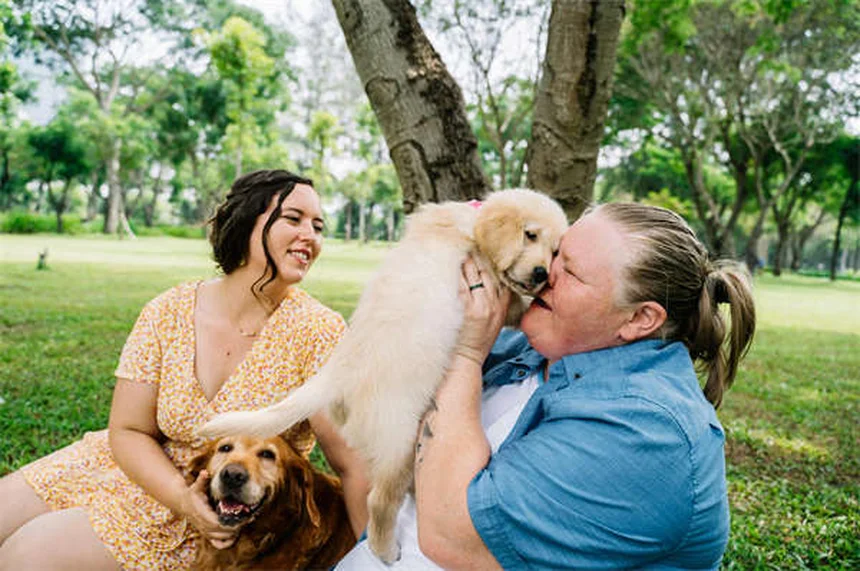

Dog DNA testing has become essential for pet owners - and here's why: these tests can literally save your dog's life. The answer is clear: every dog owner should consider DNA testing because it reveals crucial health risks and breed-specific conditions you'd never know about otherwise. I've seen firsthand how this information helps vets provide better care, and trust me, you'll want these insights about your furry friend.We're not just talking about satisfying curiosity (though learning your mutt has Labrador genes is pretty cool). Modern dog DNA kits detect dangerous genetic mutations like the MDR1 gene defect in herding breeds - a condition that causes severe reactions to common medications. That's the kind of knowledge that could prevent an emergency vet visit!
E.g. :Rabbit Hairballs: 5 Warning Signs Your Bunny Needs Help Now
- 1、Why Every Dog Owner Should Consider DNA Testing
- 2、Breaking Down the Health Benefits
- 3、Choosing the Right DNA Test Kit
- 4、Unexpected Uses for Dog DNA Testing
- 5、Making the Decision: Is DNA Testing Right for Your Dog?
- 6、Final Thoughts Before You Test
- 7、Beyond Breed Identification: The Hidden Perks of Dog DNA Testing
- 8、The Science Behind the Swab
- 9、DNA Testing for Multi-Dog Households
- 10、The Future of Canine DNA Testing
- 11、Addressing Common Concerns
- 12、FAQs
Why Every Dog Owner Should Consider DNA Testing
The Surprising Truth About Your Dog's Ancestry
Remember when you first brought your shelter pup home? That moment when you stared into those puppy-dog eyes and wondered: "What mix of breeds created this perfect creature?" Well, DNA testing can finally answer that burning question!
Modern dog DNA tests have come a long way since they first appeared in pet stores about ten years ago. These kits can reveal whether your dog's strong legs come from a Doberman ancestor, if that adorable beard traces back to an Airedale, or if their love for swimming stems from Labrador Retriever genes. But here's the kicker - they do much more than satisfy curiosity!
How DNA Testing Could Save Your Dog's Life
Did you know your dog's DNA could hold life-saving information? Veterinarians increasingly rely on genetic testing because many health conditions stem from breed-specific genetic markers. Some DNA combinations even affect how dogs process medications!
Take progressive retinal atrophy (PRA) for example. This irreversible genetic disease causes blindness and appears in over 100 breeds, but occurs most frequently in Gordon Setters. Identifying this mutation early gives you time to prepare your home for a visually impaired pet. Now that's valuable information!
Breaking Down the Health Benefits
 Photos provided by pixabay
Predicting Potential Health Issues
DNA testing falls into two main categories:
| Test Type | What It Reveals | Accuracy |
|---|---|---|
| Breed Identification | Your dog's ancestral mix | Indicates possible health risks |
| Genetic Mutation Testing | Specific disease markers | Highly predictive |
Dr. Patrick Mahaney, a Los Angeles veterinarian, explains: "Knowing your dog's breed mix alerts you to watch for conditions common in those breeds." For instance, herding breeds often carry the MDR1 gene defect, which causes dangerous reactions to common medications.
Customizing Your Dog's Healthcare
Here's something you might not have considered - could your dog's DNA test results change how your vet treats them? Absolutely!
When vets know about genetic predispositions, they can:
- Prescribe safer medications
- Recommend targeted screening tests
- Suggest preventive care measures
Anna Kukekova, a genetics professor at University of Illinois, advises: "Testing for known disease mutations helps owners prepare for special care needs." It's like getting a roadmap to your dog's future health!
Choosing the Right DNA Test Kit
What's Available on the Market
Walk into any pet store or browse online, and you'll find DNA kits ranging from $60 to $90. But what's the real difference between them?
The pricier options often include:
- Tests for common genetic diseases
- Larger breed databases (helpful for rare mixes)
- More detailed ancestry reports
 Photos provided by pixabay
Predicting Potential Health Issues
Ever wondered how these tests actually work? It's easier than teaching your dog to shake!
Each kit comes with a cheek swab. You'll:
- Rub the swab inside your dog's mouth
- Mail it in the provided protective sleeve
- Wait 2-4 weeks for results
Some kits even include multiple swabs - perfect if you have more than one mystery mutt at home!
Unexpected Uses for Dog DNA Testing
Helping Shelter Dogs Find Homes
Here's a shocking fact: Half the dogs labeled as Pit Bulls in Florida shelters actually had no Pit Bull ancestry at all! DNA testing helps shelters avoid mislabeling dogs with breeds that carry unfair stereotypes.
Why does this matter? Because accurate breed identification helps dogs find homes faster. No one wants to see great pets overlooked due to mistaken identity!
The Poop Scoop: DNA for Cleaner Communities
Can you believe some housing complexes now keep DNA records of resident dogs? It's true! This innovative solution helps match uncollected dog waste to the offending pup's owner.
New York City even proposed creating a DNA database of dogs whose owners don't clean up after them. Talk about high-tech enforcement! While it might sound extreme, communities using this system report cleaner sidewalks and happier neighbors.
Making the Decision: Is DNA Testing Right for Your Dog?
 Photos provided by pixabay
Predicting Potential Health Issues
At $60-$90 per test, is dog DNA testing worth it? Consider this - the cost equals about:
- 3-4 bags of premium dog food
- 2 vet office visits
- 1 emergency room co-pay
When you look at it that way, the potential health insights seem like a bargain!
What You Stand to Gain
DNA testing gives you:
- Peace of mind about potential health risks
- Ability to customize your dog's care
- Fun facts about your pup's ancestry
- Bragging rights at the dog park!
As Dr. Mahaney puts it: "This information empowers owners to become better advocates for their pets' health." And isn't that what we all want for our furry family members?
Final Thoughts Before You Test
Setting Realistic Expectations
Remember, breed identification tests show probabilities, not certainties. Your "Lab mix" might surprise you with some unexpected ancestors! The results should guide - not dictate - your care decisions.
Preparing for Surprises
What if the test reveals something concerning? First, don't panic! Many genetic risks never develop into actual health issues. Your vet can help interpret results and create an appropriate monitoring plan.
At the end of the day, DNA testing gives you one more tool to keep your best friend happy and healthy for years to come. And really, can you put a price on that?
Beyond Breed Identification: The Hidden Perks of Dog DNA Testing
Understanding Your Dog's Quirky Behaviors
Ever wonder why your pup herds the kids around the house or digs up your entire backyard? Their DNA might hold the answer! Certain breed traits manifest in surprising ways that can explain your dog's most puzzling habits.
Take my neighbor's dog, Max - a scruffy little mutt who turned out to be part Border Collie. Suddenly, his obsession with chasing bicycles made perfect sense! Knowing this helped them redirect that herding instinct into productive activities like agility training. Understanding breed-specific behaviors can transform frustrating habits into opportunities for bonding.
Creating the Perfect Training Approach
Did you know different breeds respond best to specific training methods? DNA results can help you tailor your approach for maximum success.
For example:
- Working breeds thrive on job-oriented training
- Scent hounds respond better to smell-based rewards
- Terriers need extra patience during recall training
I've seen firsthand how this knowledge changes everything. When my friend discovered her stubborn rescue had strong Siberian Husky genes, she switched from treat-based training to harness-running activities. The transformation was incredible!
The Science Behind the Swab
How Labs Analyze Your Dog's DNA
Ever wondered what actually happens after you mail that cheek swab? The process is more fascinating than you might think!
Modern testing facilities use advanced SNP (single nucleotide polymorphism) analysis to compare your dog's DNA against extensive breed databases. They examine over 100,000 genetic markers - that's more data points than your average high school science project! The computers then crunch these numbers to determine breed probabilities down to about 5% accuracy.
Why Some Results Might Surprise You
Here's something wild - sometimes DNA tests reveal breeds that don't physically appear in your dog at all! How does this happen?
Think of it like baking a cake. Just because you used vanilla extract doesn't mean you can see vanilla beans in the final product. Similarly, certain dominant genes can mask other breed characteristics. That tiny percentage of Bulldog in your sleek Greyhound mix might not show physically, but could influence health risks or personality traits.
DNA Testing for Multi-Dog Households
Settling the "Who Started It" Debate
If you've got multiple dogs, you know the eternal struggle - trying to figure out which pup is the instigator when trouble brews. DNA testing can actually help with this!
By understanding each dog's breed makeup, you can predict potential conflicts before they happen. For instance, pairing a high-prey-drive sighthound with a small terrier might require extra supervision. I once helped a client rearrange their dog walking schedule after discovering one pup had strong guarding instincts while the other was part retriever - the difference in their play styles suddenly made perfect sense!
Customizing Meal Plans for Each Pup
Would you believe some dogs actually need breed-specific nutrition? It's true! DNA testing can reveal dietary requirements you might never have considered.
Check out these surprising breed-specific needs:
| Breed Type | Special Nutritional Need | Why It Matters |
|---|---|---|
| Large/Giant Breeds | Controlled calcium levels | Prevents rapid bone growth issues |
| Northern Breeds | Higher fat content | Supports thick coat maintenance |
| Toy Breeds | Smaller kibble size | Easier for tiny jaws to manage |
When my cousin discovered her "mystery mix" had significant Great Dane ancestry, she switched to large breed puppy food - potentially saving her dog from future joint problems!
The Future of Canine DNA Testing
Upcoming Innovations in Pet Genetics
Hold onto your leashes - the next generation of dog DNA tests will blow your mind! Companies are currently developing tests that can:
- Predict ideal canine sports for your dog
- Identify genetic markers for longevity
- Screen for rare disease mutations not currently tested
Imagine being able to tell whether your pup would excel at dock diving or nose work before even starting training! These advancements could revolutionize how we understand and care for our four-legged friends.
How Testing Might Change Veterinary Care
Here's a thought - could routine DNA testing become as common as vaccinations? Many experts think so!
Veterinary schools are already incorporating genetic counseling into their programs. Soon, your vet might review your dog's DNA profile as routinely as they check weight and temperature. This shift could lead to truly personalized medicine for pets - from customized vaccine schedules to breed-specific dental care plans.
I recently spoke with a vet tech who said they're seeing more puppies come in with DNA results in hand than ever before. Talk about starting off on the right paw!
Addressing Common Concerns
Privacy Questions Answered
Worried about what happens to your dog's genetic data? That's a smart concern in today's world! Here's the good news - reputable companies treat canine DNA with the same confidentiality as human medical records.
Most testing firms:
- Allow you to opt out of research studies
- Use encryption for data storage
- Never sell individual dog profiles
Always read the privacy policy before testing, but generally, you can rest easy knowing Fido's genetic info isn't going up for sale to the highest bidder!
When Results Don't Match Expectations
What if the DNA results completely contradict what you thought about your dog? First, take a deep breath - this happens more often than you'd think!
Remember, appearance can be deceiving. That "Lab mix" might actually have very little Labrador in them. The important thing isn't the label, but what you do with the information. Use surprising results as an opportunity to learn about breeds you may not have considered before. Who knows - you might discover your dog's "odd" behavior makes perfect sense for their newly revealed ancestry!
When my sister's "Shepherd mix" turned out to be mostly Boxer, she laughed it off - then promptly signed him up for agility classes to channel that Boxer energy productively!
E.g. :Benefits of canine DNA testing | Cornell University College of ...
FAQs
Q: How accurate are dog DNA tests for breed identification?
A: Modern dog DNA tests are surprisingly accurate for breed identification, typically identifying primary breeds with about 95% confidence. The tests compare your dog's DNA against extensive breed databases maintained by testing companies. However, remember that mixed-breed dogs may show surprising combinations - that "Lab mix" might have some unexpected ancestors! While the breed percentages give you a good picture, they're estimates based on statistical probabilities rather than absolute certainties. The more generations removed from purebred ancestors, the less distinct the genetic markers become.
Q: Can dog DNA tests really predict health problems?
A: Absolutely! While breed identification tests suggest possible health risks, specific genetic mutation tests can predict certain diseases with high accuracy. For example, tests can identify the mutation causing progressive retinal atrophy (PRA), a condition leading to blindness in over 100 breeds. We've seen how this information helps owners prepare their homes for visually impaired pets years before symptoms appear. That said, not all genetic risks develop into actual health issues - think of these tests as early warning systems rather than definitive diagnoses.
Q: Why do some DNA tests cost more than others?
A: The price difference comes down to what's included in the test. More expensive kits often screen for dozens of genetic health conditions and have larger breed databases (helpful for rare mixes). Some premium tests even analyze genetic traits like coat color patterns or sensitivity to anesthesia. In our experience, the extra cost can be worth it if you want comprehensive health insights rather than just ancestry information. Think of it this way - that $30 difference could reveal a medication sensitivity that prevents a $300 emergency vet bill!
Q: At what age should I test my dog's DNA?
A: You can test your dog's DNA at any age - even puppies! The genetic markers don't change over time. We recommend testing as early as possible, especially if you have a mixed-breed dog. Knowing about potential health risks lets you and your vet develop preventive care strategies from the start. For example, if your puppy carries the MDR1 gene mutation common in herding breeds, your vet can avoid prescribing certain medications right from the beginning. That said, it's never too late to test - senior dogs can benefit from this information too!
Q: How do vets use DNA test results in treatment?
A: Vets love DNA test results because they personalize your dog's healthcare. With genetic information, your vet might: prescribe alternative medications for dogs with the MDR1 mutation, recommend earlier screening tests for breed-specific conditions, or suggest dietary changes for breeds prone to certain deficiencies. I've seen cases where DNA results completely changed a treatment plan, preventing adverse drug reactions. These tests give vets the same kind of genetic insights that human doctors use - it's like having your dog's complete medical history written in their DNA!