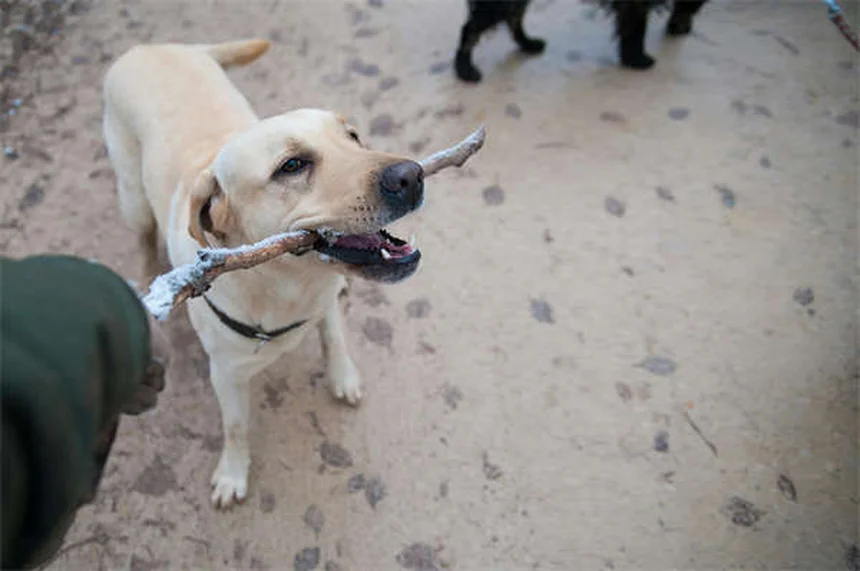

Are you accidentally making your dog miserable? The answer is: many well-meaning dog owners unknowingly do things that stress out their pups! From skipping vet visits to feeding dangerous table scraps, these common mistakes can damage your relationship with your furry friend. I've been there too - my first dog taught me some hard lessons about what not to do. But here's the good news: once you know these 7 key mistakes, you can easily turn things around and have a happier, healthier pup. Let's dive into what makes dogs tick (and what makes them ticked off)!
E.g. :5 Hidden Trash Can Dangers That Could Harm Your Pet
- 1、7 Things That Will Make Your Dog Hate You
- 2、Bonus Tips for Happy Pups
- 3、Understanding Your Dog's Emotional Needs
- 4、Creating an Emotionally Healthy Environment
- 5、Addressing Common Emotional Challenges
- 6、The Joy of Mutual Understanding
- 7、FAQs
7 Things That Will Make Your Dog Hate You
Hey there fellow dog lover! I'm Carol, and let me tell you - we dog parents are pretty awesome people. But sometimes, even with the best intentions, we accidentally do things that drive our pups crazy. Want to keep your furry friend happy? Let's dive into the top mistakes to avoid.
1. Skipping Regular Vet Visits
I get it - life gets busy. But here's the thing: your dog can't tell you when something's wrong. That's why regular check-ups are so important.
Think about it this way - would you go years without seeing a doctor? Probably not! Dogs need the same care. Annual visits help catch problems early, from dental issues to arthritis. My neighbor learned this the hard way when his Labrador developed diabetes that could've been caught sooner. Now he never misses an appointment!
2. Feeding Table Scraps Like It's a Buffet
Those puppy eyes are hard to resist, I know. But human food can be dangerous for dogs. Chocolate, grapes, onions - these are toxic and can cause serious health issues.
Here's a quick comparison of safe vs dangerous foods:
| Safe Foods | Dangerous Foods |
|---|---|
| Carrots | Chocolate |
| Blueberries | Grapes |
| Plain Chicken | Onions |
Stick to dog treats and kibble - your pup's tummy will thank you!
 Photos provided by pixabay
3. Leaving Them Alone Too Long
Dogs are social creatures. Leaving them alone for 10+ hours regularly can lead to anxiety and destructive behavior.
Remember when I adopted my first dog? I thought he'd be fine while I worked 12-hour shifts. Wrong! He chewed up three pairs of shoes and my favorite couch cushion. Now I hire a dog walker for midday breaks - problem solved!
4. Skipping Exercise
Ever seen a dog with zoomies? That's pent-up energy begging to be released! All dogs need daily exercise, no matter their size or age.
My tiny Chihuahua needs just as much playtime as my friend's Great Dane - just in different ways. Short walks, puzzle toys, or backyard fetch sessions keep them happy and healthy. A tired dog is a well-behaved dog!
5. Using Harsh Training Methods
Here's a question: Would you respond well to constant yelling? Probably not! Dogs learn best through positive reinforcement.
When my rescue dog kept jumping on guests, I tried everything - until I discovered treats worked better than scolding. Now he sits politely for belly rubs instead of knocking people over!
 Photos provided by pixabay
3. Leaving Them Alone Too Long
Bad dog breath isn't just stinky - it's often a sign of serious dental disease. Over 80% of dogs show signs of dental problems by age 3.
Brushing might seem silly, but trust me - your vet bills will thank you later. Start slow with finger brushes and tasty toothpaste. My pup now thinks toothbrushing means treat time!
7. Not Providing Mental Stimulation
Bored dogs find their own entertainment - usually by destroying your stuff! Puzzle toys, training sessions, and new smells keep their brains active.
I rotate my dog's toys weekly to keep things interesting. A simple "find the treat" game in the backyard can tire him out faster than a long walk!
Bonus Tips for Happy Pups
Create a Dog-Friendly Home
Look around your house from your dog's perspective. Are there hazards at tail level? Toxic plants within reach?
When I moved last year, I got down on my hands and knees to puppy-proof properly. Best decision ever - no emergency vet visits yet!
 Photos provided by pixabay
3. Leaving Them Alone Too Long
Dogs communicate constantly through body language. A wagging tail doesn't always mean happiness - sometimes it's nervousness!
Here's a fun fact: My dog does a special "I need to pee" dance that took me months to recognize. Now I know when to open the door before accidents happen!
Make Time for Bonding
At the end of the day, your dog just wants your love and attention. Even 15 minutes of quality time makes a huge difference.
My nightly routine includes belly rubs while watching TV. It's our special time - and honestly, it's the best part of my day too!
So tell me - which of these mistakes have you made? I've definitely been guilty of a few! The important thing is that we keep learning and doing better for our four-legged family members.
Understanding Your Dog's Emotional Needs
You know that guilty look your dog gives you when you catch them chewing your favorite shoes? That's not just about the shoes - it's about unmet emotional needs. Dogs experience emotions just like we do, though sometimes we forget that.
The Science Behind Canine Emotions
Recent studies show dogs have emotional intelligence comparable to a 2-year-old human. They experience joy, fear, anger, and even jealousy - ever seen your pup push between you and another pet?
Neuroscientists have found that dogs' brains light up in similar ways to humans when experiencing emotions. When your dog wags its tail at your arrival, that's genuine happiness lighting up their brain's reward centers. My golden retriever does this adorable full-body wiggle when I come home that proves this point better than any scientific study!
Reading Your Dog's Subtle Signals
Dogs communicate volumes through body language we often miss. That yawn when you're scolding them? It's not boredom - it's stress.
Here's a quick guide to common misunderstood signals:
| What You See | What It Really Means |
|---|---|
| Lip licking | Anxiety or discomfort |
| Whale eye (showing whites of eyes) | Feeling threatened |
| Slow tail wag | Uncertainty, not happiness |
Learning these signals transformed my relationship with my rescue dog. Now I can tell when he's genuinely excited versus just tolerating my affection!
Creating an Emotionally Healthy Environment
Think about your dog's daily life from their perspective. Would you be happy living by their rules? Probably not! That's why we need to create spaces where they can truly thrive.
The Power of Routine and Predictability
Dogs crave routine more than we realize. Inconsistent schedules create unnecessary stress that can lead to behavioral issues.
When I started working from home, I thought my dog would love the constant company. Instead, he became anxious because his usual nap schedule got disrupted. Now we stick to set walk times and meal schedules - he's much happier with the predictability!
Socialization Beyond Puppyhood
We often think socialization ends after puppy classes, but that's like saying humans stop needing friends after kindergarten!
Regular positive interactions with other dogs and people keep your dog emotionally balanced. My weekly trips to the dog park aren't just exercise - they're crucial social time. Just last week, I watched my usually shy pup initiate play with a new friend, and the joy on his face was priceless!
Addressing Common Emotional Challenges
Ever wonder why some dogs develop separation anxiety while others don't? It's not just about personality - it's about how we handle their emotional development.
Separation Anxiety Solutions
Here's a question: Would you panic if left alone in an unfamiliar place? That's how dogs with separation anxiety feel every time you leave.
The solution isn't dramatic goodbyes or excessive reassurance. I learned to make departures and arrivals boring - no big hellos or goodbyes. Combined with leaving special chew toys only when I'm gone, this reduced my dog's anxiety significantly. Now he barely looks up when I grab my keys!
Building Confidence in Shy Dogs
Timid dogs need extra care to blossom. Forced interactions can do more harm than good, despite our good intentions.
With my rescue who was scared of everything, I discovered the power of letting him approach new things at his own pace. High-value treats helped, but patience was the real key. Six months later, he's exploring the neighborhood with his tail held high - a complete transformation!
The Joy of Mutual Understanding
At the end of the day, the most rewarding part of dog ownership isn't the tricks they learn, but the deep emotional connection you build.
Celebrating Small Victories
Progress with dogs happens in tiny steps we often overlook. That first time your fearful dog takes a treat from a stranger? That's huge!
I keep a journal of my dog's small breakthroughs. Looking back at entries from when he wouldn't even make eye contact to now watching him confidently greet visitors reminds me how far we've come together.
The Unconditional Love Factor
Here's another question: Why do dogs forgive so easily when we mess up? Because their capacity for love outweighs their memory of our mistakes.
That time I accidentally stepped on my dog's tail? He was over it before I finished apologizing. Their ability to live in the moment and love unconditionally is something we could all learn from. My dog's wagging tail when I'm having a bad day is better therapy than anything money could buy!
E.g. :7 Things You Should NEVER Do to Your Dog | PetMD
FAQs
Q: How often should I take my dog to the vet?
A: You should take your dog for annual check-ups at minimum, but puppies and senior dogs need more frequent visits. Here's why this matters: dogs age faster than humans (about 7 years for every 1 of ours!), so regular vet visits are crucial for catching health issues early. I learned this the hard way when my 5-year-old terrier developed early arthritis that could've been managed better if caught sooner. Pro tip: Schedule check-ups around your dog's birthday so you never forget - that's what works for my pack!
Q: What human foods are most dangerous for dogs?
A: The most dangerous human foods for dogs include chocolate, grapes, onions, garlic, and anything with xylitol (a common sugar substitute). These can cause anything from kidney failure to life-threatening conditions. When my neighbor's golden retriever got into some chocolate chip cookies, we rushed to the emergency vet - scary stuff! Better safe than sorry: Keep people food out of reach and stick to dog-safe treats. My pups go crazy for frozen carrots and blueberries instead!
Q: How long is too long to leave a dog alone?
A: Most adult dogs shouldn't be left alone more than 6-8 hours at a time. Puppies and senior dogs need even more frequent attention. Here's what happens when you push this limit: dogs can develop separation anxiety, destructive behaviors, or even depression. My solution? I hired a dog walker for midday breaks and it made all the difference. If that's not possible, consider doggy daycare or asking a neighbor to check in - your pup's mental health is worth it!
Q: What's the best way to train a stubborn dog?
A: Positive reinforcement training works best for stubborn dogs - reward good behavior with treats, praise, or playtime instead of punishing mistakes. When my rescue mutt refused to learn "stay," I switched from frustration to tiny cheese cube rewards. Game changer! Within a week, he was staying like a pro. Remember: dogs want to please us, they just need clear, consistent communication. Short 5-10 minute training sessions daily work better than marathon sessions.
Q: How can I tell if my dog is bored?
A: Signs your dog is bored include excessive chewing, digging, barking, or following you around constantly. Here's what I do to keep my dogs engaged: rotate puzzle toys weekly, hide treats around the house for "find it" games, and change up our walking routes. Fun fact: A 15-minute training session or nose work game can tire out your dog more than an hour-long walk! Mental stimulation is just as important as physical exercise for a happy, well-behaved pup.