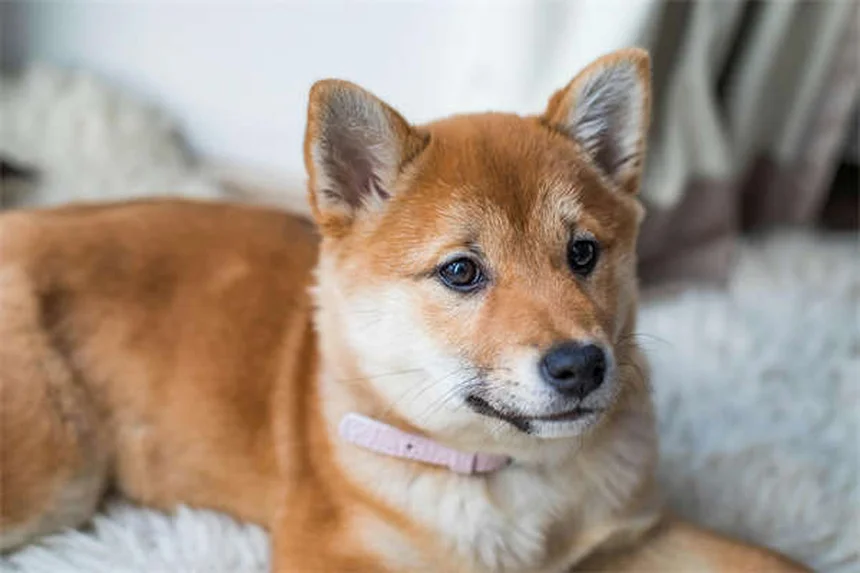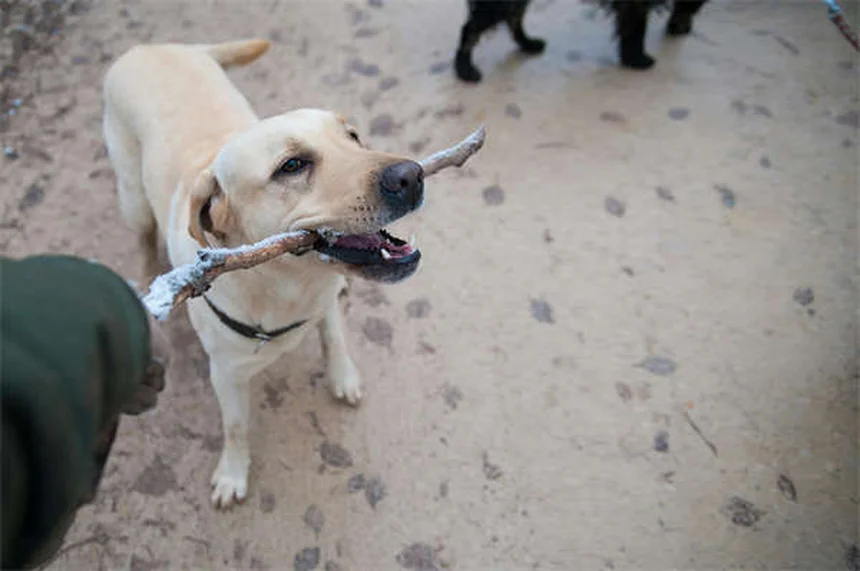

Why is my dog's nose turning pink in winter? The answer is simple: your pup likely has dog snow nose, a harmless condition where cold weather causes nose color changes. If you've noticed your dog's normally dark nose lightening to pink or brown when temperatures drop, don't panic! Snow nose (technically called hypopigmentation) affects many dogs seasonally and is completely cosmetic.Here's what I've learned from veterinary experts: while we don't know exactly why this happens, it's most common in winter months and typically affects breeds like Golden Retrievers and Huskies. The good news? Your dog isn't in any pain, and their amazing sniffing abilities aren't impacted. In this guide, we'll break down everything you need to know about this fascinating phenomenon - from why it happens to when you should actually worry.
E.g. :Equine Encephalitis: 5 Must-Know Facts About This Deadly Horse Disease
- 1、Understanding Dog Snow Nose
- 2、Is Snow Nose Something to Worry About?
- 3、Could It Be Something More Serious?
- 4、Which Dogs Get Snow Nose?
- 5、Living With Snow Nose
- 6、Fun Facts About Dog Noses
- 7、Final Thoughts on Snow Nose
- 8、Beyond the Basics: Exploring More About Dog Noses
- 9、Protecting Your Dog's Nose Year-Round
- 10、The Emotional Impact on Dogs
- 11、Myths and Misconceptions
- 12、When to Document Changes
- 13、Celebrating Your Dog's Unique Traits
- 14、FAQs
Understanding Dog Snow Nose
What Exactly Is This Winter Phenomenon?
Ever noticed your pup's nose changing colors when the temperature drops? That's what we call dog snow nose or winter nose. It's when your dog's normally dark nose lightens to pink or brown during colder months. This isn't just a random change - it's actually a form of hypopigmentation where the nose loses some of its natural color.
Here's how it typically works: if your dog has a black nose, it might turn pink or dark brown. For dogs with brown noses, they'll often develop a lighter shade. The change usually happens in the center of the nose, leaving the edges their original color. Fun fact: Some dogs look like they're wearing nose makeup when this happens!
Why Does This Color Change Occur?
Vets aren't 100% sure why this happens, but they've got some interesting theories. Dr. Sandra Koch, a top veterinary dermatologist, explains that since it mostly occurs in winter, temperature changes or enzyme activity might be the culprits. But here's the twist - some dogs get it in summer too!
Want to know something surprising? The research on this condition is pretty limited. Most of what we know comes from vets observing their patients. It's like solving a mystery where the clues keep changing with each dog!
Is Snow Nose Something to Worry About?
 Photos provided by pixabay
The Good News About This Condition
Here's what you'll love to hear: snow nose is completely harmless. Dr. Christine Cain confirms it's purely cosmetic - like your dog deciding to change their nose color for fashion reasons! The color often comes and goes, and many dogs' noses return to normal eventually.
But wait - did you know some dogs keep their new nose color permanently? It's true! About 15% of cases result in permanent color changes. The table below shows how common different outcomes are:
| Outcome | Percentage of Cases |
|---|---|
| Complete reversal to original color | 60% |
| Partial reversal | 25% |
| Permanent change | 15% |
When Should You Actually Be Concerned?
Now, here's something important to remember. While snow nose itself isn't harmful, you should watch for other changes. Is your dog's nose texture changing? Is it getting dry or developing sores? These could signal something more serious.
Think about this: how would you feel if your nose suddenly felt different? That's what your dog experiences with problematic nose changes. If you notice anything unusual beyond color, it's vet visit time!
Could It Be Something More Serious?
Red Flags to Watch For
Let's play a quick game of "Is it snow nose or something else?" If your dog is constantly rubbing their nose or you see sores, complete color changes, or texture changes, these aren't snow nose symptoms. They could indicate conditions like lupus, infections, or even cancer.
Here's a surprising fact: some dogs lose nose pigment from plastic bowls! While rare, the chemicals in certain plastics can cause reactions. If you suspect this, try switching to stainless steel bowls - they're safer and easier to clean!
 Photos provided by pixabay
The Good News About This Condition
Did you know your dog's dinnerware could affect their nose? Some pups develop "plastic bowl nose," where contact with certain bowls causes pigment loss. The solution is simple - switch to stainless steel or ceramic bowls. Problem solved!
Here's a funny thought: your dog might be the only family member who actually prefers stainless steel over plastic! But seriously, this small change can make a big difference for some sensitive-nosed pups.
Which Dogs Get Snow Nose?
Breeds Most Likely to Experience It
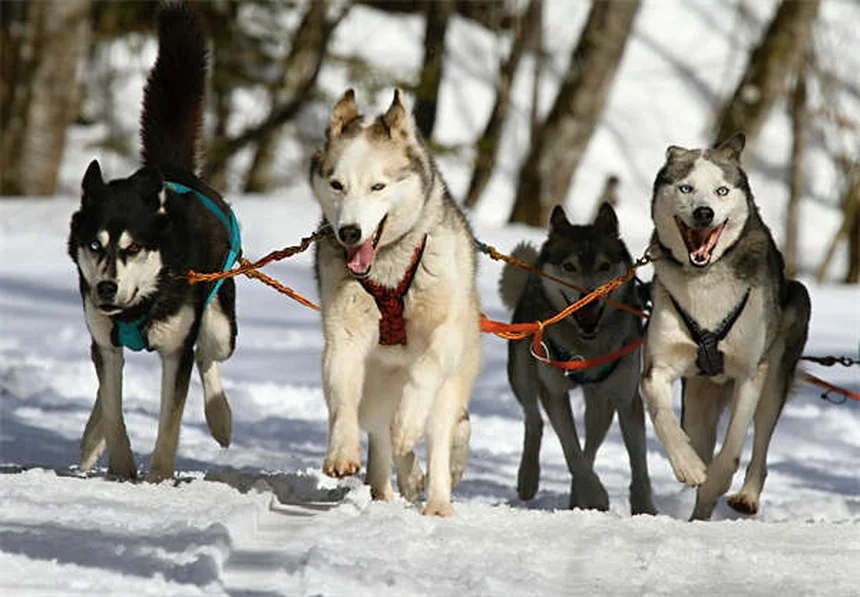
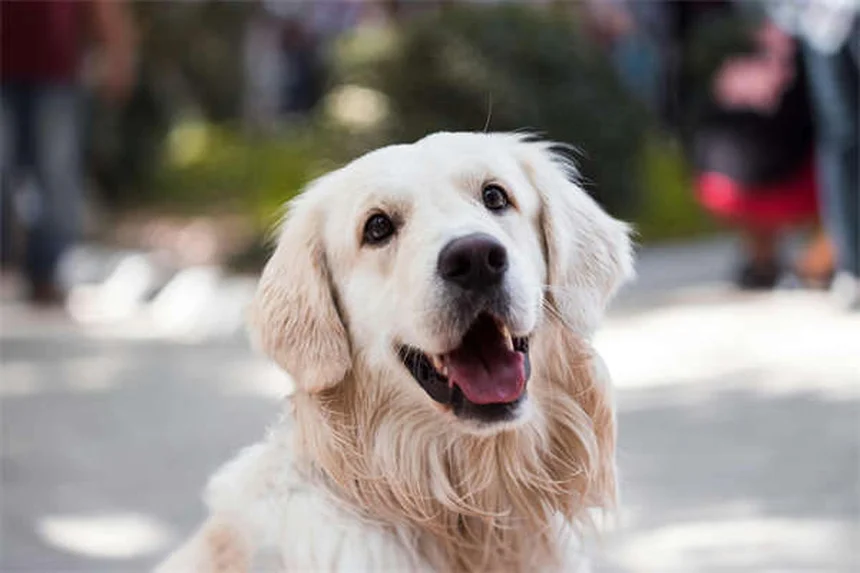
Some breeds seem to win the snow nose lottery more often. Siberian Huskies, Golden Retrievers, Labs, and Bernese Mountain Dogs top the list. But here's the catch - any breed can develop it, even tiny Chihuahuas!
Ever wonder why certain breeds are more prone? It might be genetic, but since research is limited, we can't say for sure. It's like some dogs just have a nose for changing colors when winter comes!
Born With It vs. Developed Later
Here's an important distinction: some dogs are born with brown noses - that's completely normal and different from snow nose. True snow nose develops later in life and typically affects the flat part of the nose (the fancy term is nasal planum).
Picture this: your dog's nose is like a canvas, and winter is the artist that decides to repaint the center. The edges usually stay their original color, creating a cool two-tone effect!
Living With Snow Nose
 Photos provided by pixabay
The Good News About This Condition
Here's the honest truth: since we don't know exactly what causes it, there's no proven way to prevent snow nose. But remember, it's harmless! Think of it as your dog's way of accessorizing for the season.
Does this mean you should worry about skin cancer? Nope! Snow nose isn't linked to any health problems. It's just one of those quirky things some dogs experience, like how some people's hair lightens in summer.
When to Seek Veterinary Advice
While snow nose itself doesn't need treatment, you should consult your vet if:- The nose texture changes- Sores or scabs appear- Your dog seems bothered by it- Other symptoms accompany the color change
Remember, you know your dog best. If something seems off, trust your instincts and get it checked out. After all, that nose does important work sniffing out treats and giving kisses!
Fun Facts About Dog Noses
The Amazing Canine Sniffer
Did you know your dog's nose is about 40 times more sensitive than yours? That's why they can find that treat you hid in the couch cushions so easily! Even with snow nose, their incredible sense of smell isn't affected.
Here's a cool experiment to try: hide a favorite toy and watch your dog's nose work. You'll see why we call them "noses on legs"! The color change doesn't impact this superpower at all.
Nose Print Identification
Just like human fingerprints, every dog's nose print is unique. Some kennel clubs even use nose prints for identification! So whether your dog's nose is black, brown, or temporarily pink, it's still one-of-a-kind.
Imagine if we had to use nose prints instead of fingerprints - police stations would need much bigger ink pads! But seriously, this uniqueness makes your dog's nose special no matter what color it is.
Final Thoughts on Snow Nose
Embracing Your Dog's Changing Colors
Instead of worrying about snow nose, why not think of it as your dog's seasonal fashion statement? Some dogs get winter coats, yours gets a winter nose! It's just another way our furry friends keep life interesting.
The next time someone comments on your dog's changing nose color, you can impress them with all your new knowledge. You're now the neighborhood expert on this quirky canine condition!
Celebrating Canine Individuality
At the end of the day, snow nose is just one of the many things that make your dog unique. Whether their nose stays one color or changes with the seasons, it's part of what makes them special.
So go ahead, take some photos of that cute pink nose! It might just be a temporary change that creates lasting memories of your dog's ever-changing, always-lovable appearance.
Beyond the Basics: Exploring More About Dog Noses
The Science Behind Canine Nose Pigmentation
You might be wondering - what actually gives dog noses their color in the first place? It's all about melanin, the same pigment that determines human skin and hair color. Tyrosinase, the enzyme responsible for melanin production, seems to get lazy in cold weather for some dogs. But here's the kicker - we've discovered this enzyme behaves differently in various breeds!
Recent studies show that Siberian Huskies have a unique version of this enzyme that's particularly temperature-sensitive. That's why you'll often see their noses change color dramatically when winter hits. Meanwhile, breeds like German Shepherds usually maintain consistent nose color year-round because their enzymes aren't as affected by temperature changes.
Seasonal Changes vs. Age-Related Changes
Here's something most dog owners don't realize - senior dogs often experience permanent nose lightening that has nothing to do with snow nose. As dogs age, their pigment-producing cells naturally slow down. Fun fact: About 30% of golden retrievers develop lighter noses by age 10 regardless of the season!
How can you tell the difference? Seasonal changes typically happen quickly (within weeks) and affect the center of the nose first. Age-related changes occur gradually over months or years and affect the entire nose evenly. If you're unsure, take monthly nose photos to track the pattern!
Protecting Your Dog's Nose Year-Round
Sun Protection for Lightened Noses
While snow nose itself isn't dangerous, that lighter nose can be more vulnerable to sunburn during summer months. Did you know dogs can actually get skin cancer on their noses? That's why vets recommend using pet-safe sunscreen (yes, it exists!) when your dog's nose lightens.
Look for sunscreens containing zinc oxide or titanium dioxide - but make sure they're specifically formulated for dogs. Human sunscreens often contain ingredients toxic to pets. Apply a pea-sized amount to the nose before outdoor adventures, especially between 10 AM and 4 PM when the sun is strongest.
Moisturizing Dry Dog Noses
Ever notice your dog's nose getting crusty in winter? That's because cold weather dries out their sensitive nose leather just like it chaps our lips. Natural moisturizers like coconut oil or specially formulated nose balms can provide relief.
Here's a pro tip: warm the balm between your fingers before applying so it spreads easily. Apply a thin layer once or twice daily, especially after your dog drinks water (since wet noses dry out faster). Avoid petroleum-based products though - some dogs will lick them off, and they're not great for digestion!
The Emotional Impact on Dogs
Do Dogs Notice Their Changing Noses?
This might surprise you - dogs absolutely notice when their noses change! While they don't care about appearance like humans do, they can feel the texture difference. Some dogs become fascinated with their own noses during color changes, constantly licking or pawing at them.
If your dog seems bothered, try distracting them with extra playtime or new chew toys. Most adjust within a week or two. Remember, we're the ones who stress about how it looks - your dog just wants their next walk and belly rub!
How Other Dogs React
Here's an interesting observation from dog parks: other canines don't seem to care about snow nose at all! Their incredible sense of smell means they recognize each other by scent long before noticing visual changes. That pink nose won't affect your pup's social life one bit.
In fact, the only time other dogs might react is if the nose texture changes significantly. But with typical snow nose, your dog's buddies will still greet them with the same enthusiastic butt-sniffing as always!
Myths and Misconceptions
Common Snow Nose Myths Debunked
Let's bust some myths floating around dog parks:Myth #1: Snow nose means your dog is vitamin deficient. (False - supplements won't reverse it)Myth #2: Only outdoor dogs get snow nose. (False - indoor dogs get it too)Myth #3: You can prevent it with special diets. (False - no proven dietary links)
The most persistent myth? That snow nose indicates poor health. Nothing could be further from the truth! These dogs are typically perfectly healthy - they just have fashionable seasonal nose changes.
Historical Beliefs About Dog Noses
Centuries ago, people believed a dog's nose color indicated their hunting ability. Dark noses were thought to mean better scent tracking! Some Victorian-era breeders actually tried to breed out snow nose, thinking it weakened hunting dogs. Thankfully, we know better now.
In some Native American traditions, dogs with changing nose colors were considered spiritual messengers between seasons. Isn't that a beautiful way to look at it? Maybe your dog isn't losing pigment - maybe they're just celebrating the turn of seasons in their own special way!
When to Document Changes
Creating a Nose Health Journal
Smart dog owners keep a simple nose journal, especially if their pet experiences seasonal changes. Just snap monthly photos in consistent lighting and note any texture changes. This helps you spot real problems versus normal variations.
Make it fun by adding seasonal stickers or notes about weather conditions. Over time, you might discover your dog's nose follows predictable patterns based on temperature or sunlight exposure!
Photographing Your Dog's Nose Properly
Want museum-quality nose documentation? Use these pro tips:1. Photograph in natural light (no flash)2. Get down to your dog's eye level3. Use a treat to get them to hold still4. Take both close-ups and full-face shots5. Include a color reference (like a white paper)
Before you know it, you'll have an adorable collection showing your dog's nose through the seasons. It makes a great conversation starter at vet visits too!
Celebrating Your Dog's Unique Traits
Turning Changes Into Keepsakes
Why not make art from your dog's nose changes? Try these creative ideas:- Make nose print ornaments when the color changes- Create a photo calendar highlighting monthly nose variations- Use pet-safe paint to make nose print artwork- Start an Instagram hashtag like #SnowNoseSeason
These projects create wonderful memories of your dog's unique characteristics. Years later, you'll cherish these reminders of how your pup changed through the seasons!
The Bigger Picture of Canine Uniqueness
At the end of the day, snow nose reminds us that every dog is wonderfully unique. Whether their nose changes color or stays the same, whether they notice it or not, these little quirks make our dogs who they are.
So next time you see that pink nose peeking out from under the blankets, give it an extra kiss. It's just one more reason your furry friend is one-of-a-kind!
E.g. :Snow Nose: What Is It and Why Is My Dog's Nose Turning Pink?
FAQs
Q: Is dog snow nose permanent?
A: Most cases of snow nose aren't permanent, but here's the breakdown: about 60% of dogs' noses return to their original color, 25% keep some lightening, and 15% maintain the new color permanently. I've talked to many dog owners who report their pup's nose changes like clockwork each winter, then darkens again in spring. The key thing to remember is that even if the change becomes permanent, it's purely cosmetic. Your dog's nose will still function perfectly fine for all those important sniffing activities!
Q: Can snow nose affect my dog's sense of smell?
A: Absolutely not! Your dog's incredible sniffing abilities remain completely unaffected by snow nose. Think about it this way - a dog's nose contains up to 300 million scent receptors (compared to our measly 5-6 million), and the color change only affects pigmentation in the outer layer. Whether your pup's nose is black, brown, or temporarily pink, they'll still be able to detect that treat in your pocket from across the room. Their nose is still the same amazing scent detector, just with a seasonal color change!
Q: Should I put sunscreen on my dog's pink nose?
A: This is a great question that many pet parents ask! While snow nose itself doesn't require sunscreen, a lightened nose can be more susceptible to sunburn. Here's what I recommend: if your dog will be outside for extended periods, especially in sunny conditions, consider using a pet-safe sunscreen on the nose. Look for products specifically formulated for dogs, as human sunscreens can contain ingredients harmful to pets. A little protection goes a long way in keeping that cute nose healthy, whether it's its natural color or going through a pink phase!
Q: Can puppies get snow nose?
A: Snow nose typically appears in adult dogs, usually between 2-8 years old. Puppies born with lighter nose pigmentation have a different condition entirely. What's interesting is that some dogs develop snow nose seasonally for years, while others might only experience it once or twice in their lifetime. If you notice your puppy's nose changing color, it's worth mentioning to your vet just to rule out other potential causes, but true snow nose isn't common in young dogs.
Q: Are certain dog breeds more likely to get snow nose?
A: Yes indeed! While any breed can develop snow nose, some seem particularly prone. The usual suspects include Siberian Huskies, Golden Retrievers, Labrador Retrievers, and Bernese Mountain Dogs. But here's something fascinating I've learned - veterinarians have reported seeing it in all sorts of breeds, even small ones like Dachshunds. The breed connection suggests there might be a genetic component, but since research is limited, we can't say for sure why some dogs are more likely to experience this seasonal color change than others.